
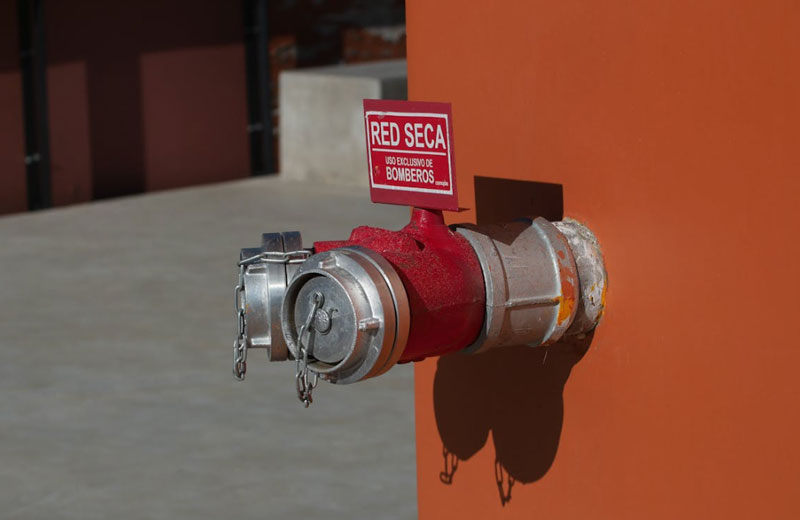
Choosing the Right Fire Hydrants for Warehouses and Factories
Choosing the Right Fire Hydrants for Warehouses and Factories
Fire protection is one of the most important safety investments for warehouses and factories. Industrial and storage facilities often contain high-value equipment, combustible materials, electrical systems, chemicals, and large inventory volumes that significantly increase fire risks. In these environments, properly selected fire hydrants play a critical role in supporting emergency response efforts and minimizing property damage.
Choosing the right fire hydrants for warehouses and factories requires careful planning, engineering expertise, and a clear understanding of operational hazards. The wrong hydrant system may reduce firefighting efficiency, create compliance issues, and increase long-term maintenance costs. A properly designed fire hydrant network helps improve safety, maintain regulatory compliance, and support faster fire suppression during emergencies.
Why Fire Hydrants Matter in Industrial Facilities
Warehouses and factories present unique fire protection challenges compared to standard commercial buildings. Large floor areas, high ceilings, heavy machinery, flammable storage, and continuous operations all contribute to elevated fire risks.
Immediate Water Supply for Firefighters
Fire hydrants provide firefighters with direct access to high-pressure water during emergencies. Quick water access is essential for controlling fires before they spread through inventory racks, production equipment, or storage zones.
Support for Large Industrial Properties
Industrial facilities often cover extensive land areas with multiple buildings, outdoor storage yards, and loading docks. Properly placed hydrants ensure emergency crews can access every section of the property efficiently.
Compliance With Fire Codes and Insurance Standards
Most industrial properties must meet strict local fire codes, NFPA standards, and insurance requirements. Proper hydrant selection helps facilities maintain compliance and reduce operational risks.
Protection of Critical Assets
Factories and warehouses may contain expensive machinery, raw materials, electronics, and finished goods. Reliable hydrant systems help protect these assets from devastating fire damage.
Understanding Different Types of Fire Hydrants
Choosing the correct hydrant type depends on environmental conditions, facility layout, and operational requirements.
Wet Barrel Fire Hydrants
Wet barrel hydrants are commonly used in regions where freezing temperatures are rare. Water remains inside the hydrant body at all times, allowing faster operation during emergencies.
Advantages include:
- Faster water access
- Simpler maintenance procedures
- Multiple outlet operation
- Reliable flow performance
These hydrants are often suitable for warehouses and factories located in warmer climates.
Dry Barrel Fire Hydrants
Dry barrel hydrants are designed for colder climates where freezing temperatures could damage standard hydrants. Water remains below ground level until the hydrant is activated.
Benefits include:
- Freeze protection
- Reduced winter damage risk
- Long-term durability
- Reliable cold-weather operation
Industrial facilities in colder regions typically rely on dry barrel systems for year-round protection.
Private Fire Hydrants
Many factories and warehouses install private hydrant systems that operate independently from municipal hydrants. These systems provide dedicated fire protection tailored to the facility’s specific fire risks.
Private hydrants are often connected to:
- Fire pumps
- Water storage tanks
- Underground fire mains
- Sprinkler systems
- Industrial water reserves
Key Factors When Choosing Fire Hydrants
Every warehouse and factory has unique fire protection needs. Selecting the right hydrant system requires evaluating multiple operational and environmental factors.
Facility Size and Layout
Large facilities require strategic hydrant placement to ensure complete property coverage. Hydrants should be positioned near:
- Building entrances
- Loading docks
- High-risk storage areas
- Outdoor equipment yards
- Manufacturing zones
- Emergency access roads
Facilities with multiple buildings may require additional hydrants to improve response efficiency.
Water Supply Requirements
Hydrants must provide sufficient water flow and pressure to support firefighting operations. Engineers calculate water demand based on:
- Building size
- Fire hazard classification
- Storage configurations
- Production processes
- Sprinkler system demand
Inadequate water supply can severely limit fire suppression effectiveness during emergencies.
Storage and Inventory Risks
Warehouses storing combustible or hazardous materials require more advanced fire protection strategies. Commodity type, rack height, and storage density all influence hydrant system design.
High-risk materials may include:
- Paper products
- Plastics
- Chemicals
- Flammable liquids
- Packaging materials
- Industrial solvents
Facilities with elevated hazards often require higher flow capacities and additional hydrant coverage.
Manufacturing Operations
Factories contain machinery, electrical systems, fuel sources, and production equipment that increase fire risks. Hydrant systems should support rapid suppression capabilities in critical production zones.
Operations involving welding, heat generation, or combustible dust may require enhanced fire protection infrastructure.
Climate Conditions
Climate plays a major role in hydrant selection. Cold-weather facilities require freeze-resistant systems, while coastal or chemical-processing environments may require corrosion-resistant materials.
Environmental considerations include:
- Freezing temperatures
- Corrosion exposure
- Flood risks
- Soil conditions
- Earthquake zones
Fire Hydrant Placement Best Practices
Proper hydrant placement improves accessibility and emergency response efficiency.
Accessibility for Fire Trucks
Hydrants should be positioned where fire apparatus can easily connect hoses without obstruction. Emergency vehicle access routes must remain clear at all times.
Distance From Buildings
Hydrants should be close enough for efficient firefighting but far enough away to remain accessible during severe fires or structural collapse risks.
Coverage for High-Risk Areas
Factories and warehouses should prioritize hydrant placement near:
- Hazardous material storage
- Mechanical equipment rooms
- Fuel storage tanks
- Electrical infrastructure
- Outdoor storage yards
Adequate Hydrant Spacing
Large industrial properties may require multiple hydrants spaced strategically throughout the site to maintain consistent water availability.
Fire Hydrant Materials and Durability
Industrial environments can be harsh on fire protection equipment. Selecting durable materials helps extend hydrant lifespan and reduce maintenance costs.
Corrosion-Resistant Components
Factories exposed to chemicals, salt air, or industrial pollutants benefit from hydrants with corrosion-resistant coatings and materials.
Common protective materials include:
- Epoxy coatings
- Stainless steel components
- Protective paint systems
- Corrosion-resistant valves
Heavy-Duty Construction
Warehouses and factories often involve truck traffic, forklifts, and heavy equipment movement. Hydrants should be built to withstand accidental impacts and demanding operating conditions.
Tamper Resistance
Industrial facilities may require tamper-resistant hydrants to prevent unauthorized use or vandalism.
Importance of Proper Fire Hydrant Installation
Even the highest-quality hydrants will fail if improperly installed. Professional installation ensures reliable performance and code compliance.
Underground Piping Design
Hydrants connect to underground fire mains that deliver water throughout the property. Pipe sizing and routing must support adequate pressure and flow rates.
Hydraulic Calculations
Engineers perform hydraulic calculations to determine the water demand necessary for effective fire suppression.
Drainage Systems
Proper drainage prevents water accumulation that could freeze or damage hydrant components.
Pressure Testing and Inspection
Hydrants should undergo testing and inspection before being placed into service to verify operational readiness.
Fire Hydrant Maintenance for Warehouses and Factories
Routine maintenance is essential for keeping industrial hydrants operational.
Regular Visual Inspections
Maintenance teams should inspect hydrants for:
- Leaks
- Corrosion
- Physical damage
- Accessibility issues
- Missing caps
- Paint deterioration
Flow Testing
Flow testing verifies that hydrants deliver sufficient water pressure and volume during emergencies.
Valve Operation and Lubrication
Regular valve operation helps prevent mechanical seizure and internal buildup.
Seasonal Maintenance
Cold-weather facilities should implement winterization procedures to prevent freezing damage.
Common Mistakes to Avoid When Selecting Fire Hydrants
Industrial property owners sometimes make costly fire protection mistakes during system planning.
Choosing Hydrants Based Only on Cost
Lower-cost hydrants may not provide the durability, flow capacity, or reliability required for industrial operations.
Ignoring Future Facility Expansion
Warehouse and factory operations often grow over time. Hydrant systems should allow for future building additions or operational changes.
Inadequate Water Supply Planning
Insufficient water flow can compromise the entire fire protection strategy.
Poor Placement Decisions
Improper hydrant placement may limit firefighter access during emergencies.
Benefits of Working With Professional Fire Protection Experts
Professional fire protection specialists help warehouses and factories design hydrant systems that align with operational needs and safety regulations.
Customized Fire Protection Planning
Experts evaluate facility risks and create tailored fire hydrant solutions.
Regulatory Compliance Support
Professional contractors help ensure compliance with local fire codes and NFPA standards.
Long-Term Maintenance Programs
Ongoing maintenance services improve system reliability and reduce emergency repair risks.
Emergency Repair Services
Industrial facilities benefit from rapid repair support when hydrants are damaged or malfunctioning.
Choosing the right fire hydrants for warehouses and factories is essential for protecting employees, inventory, equipment, and infrastructure from fire-related damage. Industrial facilities require carefully planned hydrant systems that provide reliable water access, withstand demanding operating conditions, and comply with fire safety regulations.
Factors such as facility size, water supply capacity, climate conditions, storage hazards, and operational requirements all influence hydrant selection. By investing in professional installation, preventive maintenance, and high-quality equipment, warehouse and factory operators can improve fire protection performance and reduce long-term operational risks.
A properly designed fire hydrant system is not just a regulatory requirement. It is a critical investment in workplace safety, business continuity, and long-term asset protection.