
Fire Sprinkler Inspection Service: What to Look for in Your Service Agreement
A fire sprinkler system is one of the most important safety systems in a commercial or residential property. However, simply having sprinklers installed does not mean the system can always be relied upon when needed. Regular inspection, testing, and maintenance help property owners understand the condition of the system and keep important components ready for their intended purpose.
When selecting a fire sprinkler inspection service, the service agreement deserves as much attention as the inspection itself. A clear agreement helps property owners understand what will be inspected, how often inspections will take place, what documentation will be provided, and how follow-up work will be handled.
For building owners, facility managers, business operators, and property managers, reviewing these details before signing an agreement can make ongoing fire safety management much easier.
Confirm Exactly What the Inspection Covers
The first thing to review is the scope of the inspection.
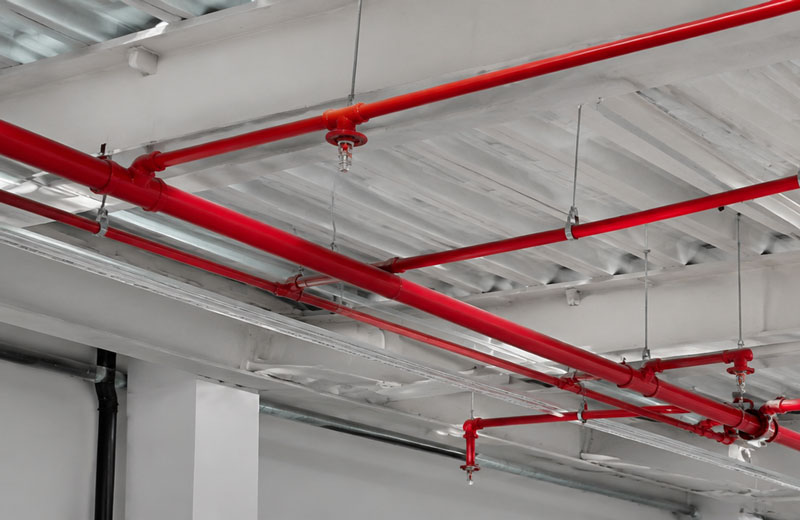
A fire sprinkler system contains many components, including sprinkler heads, valves, piping, gauges, alarm devices, control equipment, and water supply related components. Depending on the property and system configuration, inspection requirements can vary.
The agreement should clearly identify which parts of the system are included in the service. This helps property owners understand what they are paying for and gives the inspection company a clear service framework.
It is also useful to confirm whether the agreement covers different areas of the property separately. A large commercial building, for example, may have multiple sprinkler zones or systems serving different floors and areas.
A detailed scope makes it easier to maintain consistent safety records throughout the life of the building.
Check The Inspection Frequency
Inspection frequency is another important part of the agreement.
Fire sprinkler systems require different types of inspection, testing, and maintenance activities at different intervals. The appropriate schedule depends on the system, equipment, property type, applicable requirements, and relevant standards.
A good service agreement should explain the planned inspection schedule instead of simply stating that inspections will occur regularly.
For example, some inspection activities may be performed quarterly, while other testing or maintenance requirements may occur on different schedules.
Property owners should make sure the agreement provides a practical schedule that fits the building’s fire protection requirements and supports applicable NFPA 25 inspection, testing, and maintenance practices.
Understand Testing And Maintenance Services
Inspection, testing, and maintenance are related but not identical activities.
An inspection generally involves examining system components and identifying their condition. Testing verifies whether certain components or functions operate as intended. Maintenance involves actions needed to keep equipment in suitable operating condition.
A service agreement should make these distinctions clear.
Property managers should understand whether the quoted service includes inspection only or also covers specified testing and maintenance activities. This can prevent confusion when planning annual fire protection budgets.
A clear agreement also makes it easier to coordinate access to mechanical rooms, sprinkler control areas, valves, and other relevant locations.
Ask What Documentation You Will Receive
Documentation is an essential part of professional fire sprinkler management.
After an inspection, property owners should receive clear records showing when the inspection took place, what areas were reviewed, what equipment was examined, and what observations were recorded.
The report should be useful to someone who was not present during the inspection. Clear descriptions, system information, inspection dates, and relevant recommendations can make future property management much easier.
Well-organized records can also help facility managers track recurring service schedules and maintain a history of fire protection activities.
For businesses with multiple properties, consistent reporting formats can make it easier to compare service records across different locations.
Understand How Follow Up Work Is Handled
A service agreement should also explain what happens when an inspection identifies an item that requires attention.
The process should be easy for property owners to understand. The agreement can specify how recommendations are communicated, how additional work is quoted, and whether authorization is required before work begins.
This is particularly useful for facility managers who need to coordinate budgets and obtain internal approval.
Clear communication allows property owners to distinguish between routine inspection activities and additional services that may require separate authorization.
Review Service Access And Scheduling
Building access is an important practical issue.
Fire sprinkler equipment may be located in mechanical rooms, storage areas, ceiling spaces, offices, warehouses, or other parts of the property. The service agreement should explain how inspection appointments are scheduled and what access the property owner needs to provide.
For businesses operating during normal working hours, scheduling should also consider customer traffic, employees, deliveries, and other daily activities.
Planning access in advance can make inspections more efficient while minimizing disruption to normal property operations.
Check Emergency And Communication Procedures
Although routine inspections are scheduled in advance, property owners should understand how to communicate with the service provider when questions arise between visits.
The agreement should identify the appropriate communication process for service-related questions, system concerns, documentation requests, or scheduling matters.
For property managers, having a clear contact process is especially useful when several people may be responsible for different aspects of building safety.
Good communication supports better coordination between the property owner, facility staff, fire protection professionals, and other relevant parties.
Consider The Experience Of The Inspection Provider
The service agreement is important, but so is the company behind it.
Property owners should consider whether the provider has experience with the type of fire sprinkler system installed at the property and understands the inspection, testing, and maintenance requirements applicable to the system.
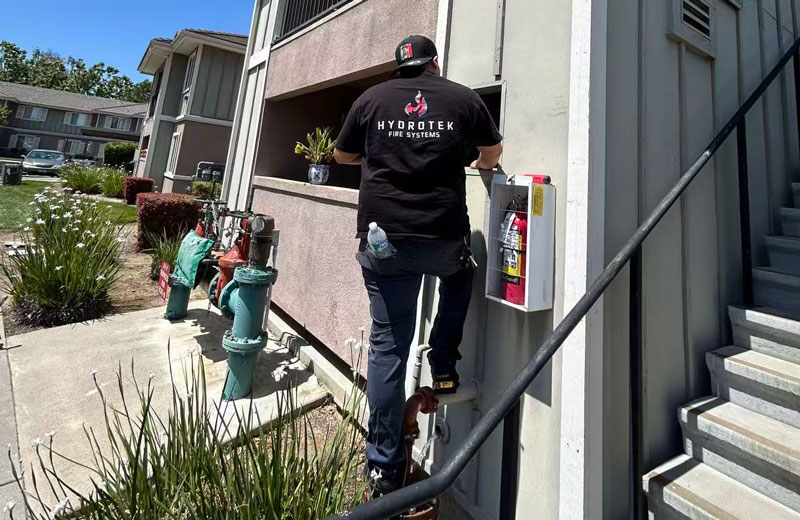
Hydrotek Fire Systems LLC provides fire sprinkler inspection services in California’s Central Valley and Sacramento area, serving properties across a broad regional service area. The company provides inspection, testing, and maintenance services aligned with applicable fire sprinkler system requirements, including NFPA 25 practices.
For property owners and facility managers, working with a provider that understands commercial fire protection systems can make ongoing inspection planning more straightforward.
Look At Long Term Record Keeping
Fire sprinkler safety is an ongoing responsibility rather than a one-time project.
A useful service agreement should support consistent record keeping over multiple inspection cycles. Property managers may need to refer back to previous reports when planning building improvements, reviewing system history, coordinating other contractors, or preparing documentation for property management purposes.
Keeping inspection reports, testing records, maintenance information, and service communications together creates a more complete picture of the property’s fire protection system.
Digital documentation can also make it easier for authorized property personnel to access records when needed.
Make Sure The Agreement Is Easy To Understand
A service agreement should be practical and understandable.
Before signing, property owners should be able to identify the inspection scope, service frequency, included activities, reporting process, scheduling arrangements, pricing structure, additional service procedures, and communication channels.
If important details are unclear, asking questions before the agreement begins is worthwhile. A clear understanding at the beginning helps both parties establish realistic expectations.
The objective is not simply to purchase an inspection visit. It is to establish a reliable process for managing an important life safety system.
Build Fire Safety Into Everyday Property Management
A fire sprinkler inspection agreement should ultimately support the larger safety plan for the property.
Regular inspections can help property owners stay informed about system condition and maintain appropriate documentation. Facility managers can use inspection schedules to coordinate access, track reports, plan maintenance activities, and keep fire protection responsibilities organized.
For businesses, this approach also helps make fire safety part of normal facility management rather than something considered only when an inspection date approaches.
A well-structured agreement provides clarity, consistency, and a practical framework for maintaining the fire sprinkler system.
For property owners in California’s Central Valley and Sacramento region, Hydrotek Fire Systems LLC can be considered when arranging professional fire sprinkler inspection, testing, and maintenance services. By choosing a service provider carefully and reviewing the agreement in detail, property owners can build a more organized approach to protecting people, buildings, and everyday operations.