
Fire Sprinkler Inspection Timeline: Plan Your Maintenance and Audit Schedule
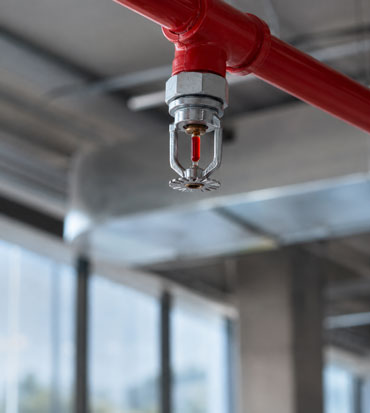
Water-based fire protection systems are among the quietest yet most crucial safeguards in modern architecture. Day in and day out, these network systems remain dormant within ceilings, waiting for a crisis that everyone hopes will never happen. However, when an emergency strikes, a properly maintained fire sprinkler system reacts instantly, suppressing flames, keeping exit paths open, and saving lives long before emergency responders arrive at the scene.
Despite their proven effectiveness, fire sprinklers are not completely self-sustaining systems. Pipes can corrode, valves can be closed accidentally, pressure levels can drop, and spray heads can become blocked by dust or renovated interiors. Establishing a structured fire sprinkler inspection timeline is not merely a legal obligation—it is a vital practice for safeguarding property, protecting loved ones, and maintaining peace of mind.
Understanding the Essential Fire Sprinkler Maintenance Cycle
Managing a fire safety system requires a clear routine. Safety standards establish a defined schedule broken down into weekly, monthly, quarterly, semi-annual, annual, and multi-year checks. Following this structured inspection timeline ensures every mechanical component operates as intended when seconds count.
Weekly and Monthly Visual Checks The most frequent checks focus on simple yet crucial visual indicator points. On a weekly basis, dry, pre-action, or deluge systems require quick checks of air and water pressure gauges to confirm system balance. Control valves should also be visually inspected to ensure they remain locked in the open position. Monthly routine checks expand to inspect wet pipe system gauges, checking for any unusual pressure fluctuations, physical damage, or slow leaks around connection points.
Quarterly Functional Assessments Every three months, system testing transitions from passive visual checks to basic operational verification. During a quarterly audit, technicians inspect waterflow alarm devices to verify that alarm signals trigger promptly when water moves through the system. Valve supervisory switches, main drain tests, and physical checks of exposed piping and hangers are also performed during this phase to confirm that structural supports remain fully intact.
Semi-Annual and Annual Comprehensive Audits Semi-annual inspections involve detailed testing of supervisory devices, water flow alarms, and specialized gate valve tamper switches. Once a year, the entire system undergoes a rigorous annual audit. This critical check involves a complete physical inspection of every individual sprinkler head for clearance, corrosion, or paint overspray, testing of mechanical alarms, main drain flow tests to measure water volume and pressure, and full operational testing of any backflow prevention assemblies.
Five-Year Internal Pipe Inspections Over time, biological growth, mineral deposits, and internal corrosion can develop inside metallic pipes without showing external signs. Every five years, a comprehensive internal inspection is mandatory. Technicians open pipe ends or use specialized cameras to examine internal conditions, ensuring that obstruction-causing debris does not block water flow to the sprinkler heads.
Practical Benefits of Staying on Schedule
Adhering to a strict inspection schedule offers immediate practical benefits that enhance everyday living and business operations:
-
Life and Property Safety: The primary goal of any fire sprinkler system is protecting human life. Regular checks guarantee that emergency water streams will deploy instantly upon thermal activation.
-
Cost Prevention: Small leaks, minor pressure drops, or early corrosion caught during a routine monthly or quarterly check can be fixed inexpensively before causing massive ceiling damage or sudden system failures.
-
Regulatory Compliance: Local fire codes and building regulations require up-to-date inspection logs. Staying current on your timeline avoids costly fines, failed municipal audits, or forced closures.
-
Insurance Protection: Insurance providers often require verified maintenance records. Demonstrating a compliant inspection history ensures hassle-free claim processing and can often lead to reduced premium rates.
Simplifying Compliance with Hydrotek Professional Services
Navigating multi-tiered inspection schedules, keeping detailed physical logs, and coordinating specialized technical tests can feel overwhelming for building managers and homeowners alike. Partnering with a dedicated fire safety specialist transforms complex regulatory timelines into a smooth, hassle-free maintenance routine.
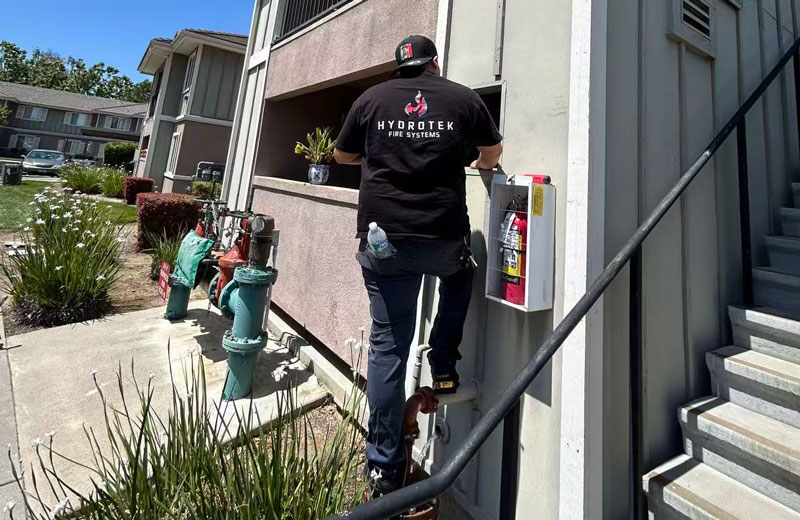
For property owners seeking seamless safety management, Hydrotek provides complete, end-to-end fire sprinkler inspection and audit services. With deep technical expertise across residential, commercial, and industrial fire protection infrastructure, Hydrotek creates tailored maintenance schedules aligned precisely with local safety codes and operational needs.
From routine quarterly device testing to complex five-year internal pipe inspections, Hydrotek utilizes advanced diagnostic equipment and certified technicians to ensure your system remains fully operational. Their detailed digital auditing reports give you complete visibility into system health, making audit compliance effortless while ensuring your property remains protected around the clock.
Building a Culture of Proactive Safety
Fire safety is most effective when it is proactive rather than reactive. Waiting for a system alarm to sound or a leak to appear before giving attention to your fire sprinklers introduces unnecessary risks to human lives and valuable property.
Integrating a structured fire sprinkler inspection timeline into your regular maintenance routine transforms fire safety from a chaotic worry into an organized, reliable background protection system. With clear planning, consistent checks, and trusted professional support from leaders like Hydrotek, you can rest easy knowing that your fire protection system will perform flawlessly whenever called upon.