
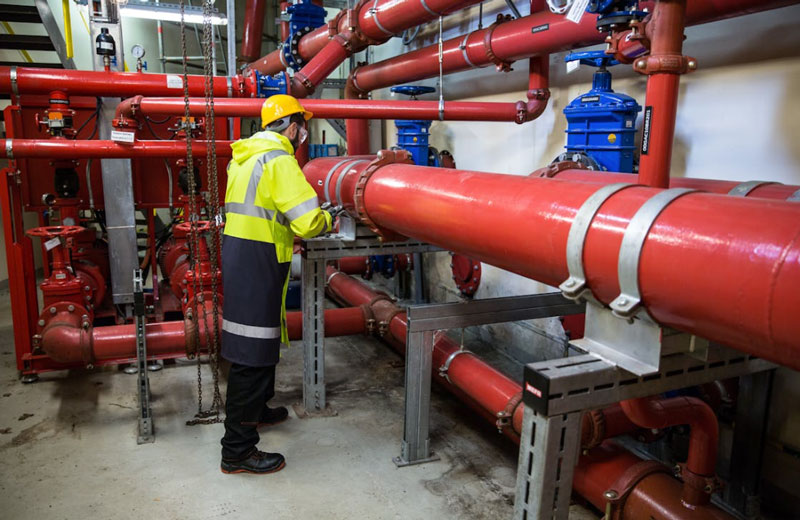
Fire Sprinkler TI Stockton Key Factors Affecting Your Tenant Improvement Budget
When planning a tenant improvement (TI) project in Stockton, California, fire sprinkler systems often emerge as a critical yet underestimated budget component. Whether you’re retrofitting an existing commercial space or building out a new leasehold, the interplay of local regulations, building codes, system design requirements, and installation complexities can significantly impact your TI budget. Hydrotek Fire Systems, a leading fire protection service provider in Stockton, emphasizes that understanding these key factors upfront can save you from costly surprises down the line. From regulatory compliance to system integration, here’s dive into the elements shaping your fire sprinkler TI budget in Stockton.
1. Compliance with Local and State Fire Codes
Stockton’s fire sprinkler requirements are governed by the California Fire Code Title 24, which aligns with NFPA 13, 13R, or 13D standards based on occupancy type. For TI projects, alterations must meet current codes, even for existing buildings. Factors like building occupancy classification (e.g., offices, retail, or warehouses) and hazard level dictate system design. For example, a complexity that directly affects material and labor costs. Hydrotek Fire Systems advises that a thorough code audit early in planning prevents costly redesigns. Non-compliance can lead to penalties or project delays, expanding your budget unexpectedly.
2. System Design and Retrofit Challenges
In many Stockton TI projects, existing fire sprinkler systems must be modified to accommodate new layouts. This involves rerunning piping to new ceiling grids, adding or relocating sprinkler heads, and reconfiguring zones. The condition of older systems—like corrosion or undersized mains—can demand costly upgrades. For example, converting a warehouse to office space might require smaller drops but more heads due to partition walls. Hydrotek’s team notes that design changes alone can account for 10–increase costs by 15-20% if not anticipated. Accurate as-built surveys and 3D modeling can mitigate surprises.
3. Ceiling Type and Height Impact
The choice of ceiling finish—whether drop ceiling, exposed deck, or suspended—directly affects sprinkler installation costs. Drop ceilings simplify head placement but require precise coordination with other trades like HVAC and lighting. Exposed ceilings, popular in industrial spaces, may need sidewall or upright sprinklers, which can be more expensive. Ceiling height also plays a role: high ceilings (over 20 feet) require specialized equipment for installation, increasing labor costs. Hydrotek Systems suggests that designing with standard ceiling types and heights can keep budgets manageable.
4. Water Supply and Pressure Considerations
Stockton’s municipal water supply varies by location, affecting system design. Some buildings may lack adequate water pressure for sprinklers, necessitating fire pumps or tanks—major budget drivers. For instance, retrofitting a century-old structure in downtown Stockton could require new water meter installations or pressure-boosting systems. Hydrotek’s engineering team often conducts flow tests early to assess existing supply vs. required supply, avoiding last-minute overspend. Upgrades to backflow preventers or valves can add $5,000-$15,000 or more to the project.
5. Permitting and Inspection Fees
Stockton’s building department requires permits for all fire sprinkler modifications, with fees based on project scope. Plan review charges, permit issuance, and inspection costs can quickly accumulate. For a tenant improvement, expect permit fees to range from $1,500 to $5,000, depending on system complexity and square footage. Delays in approval—often due to incomplete documentation can extend timelines and inflate costs. Hydrotek Systems recommends engaging a fire protection contractor familiar with local permitting processes to streamline this process and avoid redundant fees.
6. Coordination with Other Trades
Effective coordination between fire sprinkler installers and other contractors—electrical, plumbing, and framing—is vital. In Stockton’s competitive market, mismatched schedules can lead to rework, such as cutting and patching drywall for missed sprinkler heads. Integrated project delivery, where all trades use a shared plan, reduces errors but requires upfront investment in BIM (Building Information Modeling). Without it, change orders can add 10-20% to the fire sprinkler portion of your budget. Hydrotek emphasizes clear communication weekly meetings to align timelines.
7. Material Costs and Supply Chain Factors
Material prices, including steel pipe, fittings, and sprinkler heads, fluctuate based on market conditions. Stockton’s proximity to major transportation hubs like Port of Stockton can reduce freight costs for some materials, but specialized components—such as corrosion-resistant heads for wet environments may carry premiums. Currently, supply chain delays for equipment like control valves or monitoring devices can force project extensions. A contingency of 10-15% for materials within the fire sprinkler budget ensures flexibility.
How Hydrotek Fire Systems Helps You Manage These Factors
As a trusted service provider in Stockton, Hydrotek Fire Systems leverages deep local expertise to navigate these budget influences. They offer free initial consultations to assess existing systems, provide real-time code updates, and provide detailed cost breakdowns before construction begins. By planning for Stockton’s unique regulatory environment and building stock, helps ensure your tenant improvement stays on budget. Engaging a specialist early can transform fire sprinkler compliance from a budget burden into a manageable investment, safeguarding both your timeline and bottom line. For more information on optimizing your next TI project, contact Hydrotek Fire Systems.