
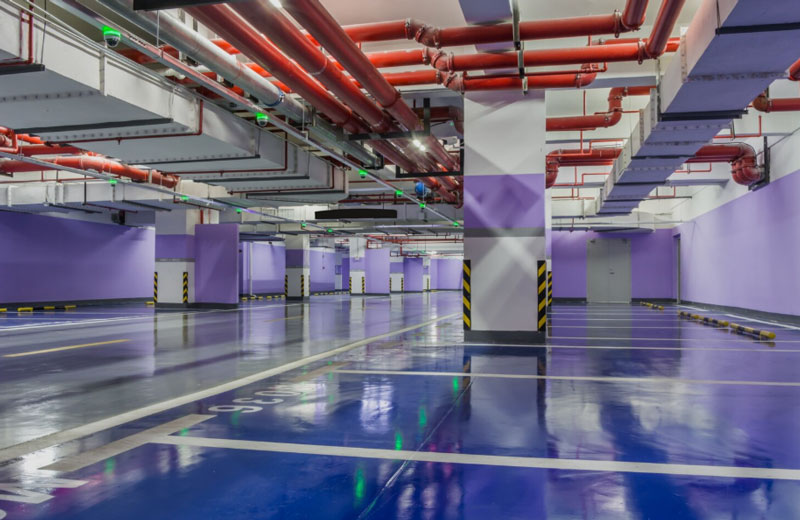
Underground Fire Hydrants Applications for Large Commercial Areas
Underground Fire Hydrants Applications for Large Commercial Areas
Fire protection systems are essential for safeguarding commercial properties, industrial operations, and public infrastructure. In large commercial areas such as shopping centers, industrial parks, warehouses, airports, logistics hubs, and corporate campuses, reliable fire suppression infrastructure is critical for minimizing fire damage and protecting lives. Among the many fire protection solutions available, underground fire hydrants have become an increasingly popular option for large-scale commercial developments.
Underground fire hydrants provide dependable emergency water access while maintaining clean site aesthetics and reducing surface obstructions. Their concealed design makes them particularly suitable for high-traffic commercial environments where above-ground hydrants may interfere with vehicle movement, landscaping, or property design.
Understanding the applications, benefits, installation requirements, and maintenance considerations of underground fire hydrants helps commercial property owners choose the right fire protection solution for their facilities.
What Are Underground Fire Hydrants
Underground fire hydrants are fire suppression water access points installed below ground level. Unlike traditional above-ground hydrants, these systems remain concealed within underground chambers until firefighters connect specialized standpipes or hydrant keys during emergencies.
The hydrant valve assembly is connected directly to underground water mains and remains protected beneath a cover plate or access chamber.
Why Large Commercial Areas Use Underground Fire Hydrants
Large commercial developments often require extensive fire protection infrastructure while maintaining efficient traffic flow and modern property aesthetics. Underground hydrants provide several operational advantages in these environments.
Improved Site Appearance
One of the biggest advantages of underground hydrants is their minimal visual impact. Because the hydrant remains hidden below ground, commercial properties can maintain cleaner architectural designs and landscaping layouts.
This is especially beneficial for:
- Shopping malls
- Business parks
- Luxury commercial developments
- Hotels and resorts
- Corporate headquarters
- Mixed-use properties
Reduced Obstruction Risks
Above-ground hydrants can create obstacles in busy parking lots, loading zones, and traffic lanes. Underground systems eliminate these surface obstructions while preserving emergency water access.
This improves safety and mobility in areas with:
- Heavy truck traffic
- Forklift operations
- Pedestrian pathways
- Outdoor event spaces
- Distribution centers
Protection From Vehicle Damage
Large commercial properties frequently experience accidental hydrant collisions involving trucks, delivery vehicles, or heavy machinery. Underground hydrants are protected below ground level, reducing the risk of impact damage.
Enhanced Security and Vandalism Prevention
Because underground hydrants remain concealed, they are less vulnerable to vandalism, unauthorized use, or accidental tampering compared to exposed hydrant systems.
Common Applications for Underground Fire Hydrants
Underground hydrants are widely used in large-scale commercial and industrial developments where aesthetics, traffic flow, and space efficiency are important considerations.
Industrial Parks and Manufacturing Facilities
Industrial facilities often contain large outdoor operational zones with constant heavy equipment movement. Underground hydrants help maintain clear pathways while still providing reliable fire suppression access.
Applications include:
- Manufacturing plants
- Processing facilities
- Chemical storage areas
- Equipment yards
- Distribution terminals
Industrial operators often choose underground systems to reduce collision risks and improve operational flexibility.
Warehouses and Logistics Centers
Modern warehouses and logistics hubs require extensive fire protection coverage across loading docks, shipping lanes, and outdoor storage areas.
Underground hydrants work well in:
- Fulfillment centers
- Freight terminals
- Container yards
- Truck staging areas
- Large storage facilities
These systems reduce the likelihood of hydrant damage from trailers, forklifts, and cargo-handling equipment.
Commercial Shopping Centers
Retail developments prioritize both safety and aesthetics. Underground hydrants allow shopping centers to maintain visually appealing landscapes without sacrificing emergency preparedness.
Typical retail applications include:
- Shopping malls
- Outdoor retail plazas
- Entertainment districts
- Lifestyle centers
- Parking structures
Concealed fire protection infrastructure helps create cleaner customer environments.
Airports and Transportation Hubs
Airports, rail terminals, and transportation facilities require extensive open spaces for vehicle movement and passenger access. Underground hydrants minimize obstructions while supporting emergency response capabilities.
These systems are commonly used in:
- Airport aprons
- Cargo terminals
- Transit centers
- Rail yards
- Maintenance facilities
Educational and Healthcare Campuses
Universities, hospitals, and medical campuses often use underground hydrants to preserve landscape design while maintaining comprehensive fire protection coverage.
Benefits include:
- Improved campus aesthetics
- Reduced pedestrian obstacles
- Enhanced emergency accessibility
- Protection for large building complexes
Mixed-Use Developments and Corporate Campuses
Large commercial campuses with offices, retail spaces, hotels, and public gathering areas often prefer underground hydrants for architectural consistency and traffic management.
Advantages of Underground Fire Hydrants
Underground hydrants provide several important operational and design benefits for large commercial properties.
Space Efficiency
Because underground hydrants do not occupy visible surface space, they maximize usable areas for parking, landscaping, pedestrian movement, and logistics operations.
Reduced Maintenance Exposure
Underground systems are protected from environmental exposure, accidental impacts, and vandalism, which may help reduce certain maintenance concerns.
Long-Term Durability
Protected below-ground components often experience less physical wear from weather conditions and external impacts.
Improved Property Design Flexibility
Architects and property developers can design cleaner exterior layouts without visible hydrant obstructions interfering with aesthetics.
Safer Traffic Flow
Underground hydrants reduce collision hazards in high-traffic areas with trucks, forklifts, or large equipment.
Important Design Considerations
Although underground hydrants offer many advantages, proper planning and engineering are essential to ensure reliable performance.
Accessibility During Emergencies
Firefighters must be able to locate and access underground hydrants quickly during emergencies. Proper marking systems and clear access zones are essential.
Common solutions include:
- Surface identification markers
- Reflective pavement indicators
- Hydrant location maps
- Dedicated access covers
Water Flow Requirements
Large commercial areas often require high-volume water flow for effective fire suppression. Engineers must calculate system demand based on:
- Property size
- Occupancy type
- Fire hazard classification
- Building density
- Sprinkler system requirements
Underground Utility Coordination
Hydrant systems must be carefully coordinated with existing underground utilities such as:
- Electrical conduits
- Gas lines
- Sewer systems
- Telecommunications infrastructure
- Storm drainage networks
Proper planning helps avoid installation conflicts and future maintenance complications.
Drainage Protection
Underground hydrant chambers require proper drainage to prevent water accumulation and corrosion.
Climate and Environmental Conditions
Cold-weather regions may require freeze-resistant designs, while corrosive environments may require specialized protective materials.
Underground Fire Hydrant Installation Process
Professional installation ensures long-term system reliability and compliance with fire safety regulations.
Site Assessment and Engineering
The installation process begins with a detailed evaluation of the property layout, fire risks, water supply capacity, and utility infrastructure.
Excavation and Pipe Installation
Contractors excavate underground trenches for fire mains, valves, and hydrant assemblies. Pipe materials and burial depths are selected based on local codes and environmental conditions.
Hydrant Chamber Construction
Underground access chambers are installed to protect hydrant valves and provide emergency access points.
Pressure Testing and Inspection
Before activation, systems undergo pressure testing, flow testing, and inspection to verify proper operation.
Final Commissioning
Once approved, the system is commissioned and integrated into the property’s overall fire protection infrastructure.
Maintenance Requirements for Underground Fire Hydrants
Regular maintenance is essential for keeping underground hydrants fully operational.
Routine Inspections
Technicians inspect access covers, valve operation, drainage systems, and hydrant components for signs of wear or damage.
Flow Testing
Periodic flow testing confirms adequate water pressure and discharge capacity.
Chamber Cleaning
Underground chambers should remain free from debris, sediment, and standing water.
Valve Lubrication
Moving components require lubrication to maintain smooth operation during emergencies.
Accessibility Verification
Hydrant access points should always remain visible and unobstructed.
Challenges of Underground Fire Hydrants
While underground systems provide many benefits, they also present unique operational challenges.
Slower Emergency Access
Firefighters may require additional time to connect standpipes and access underground hydrants compared to above-ground systems.
Hidden Damage Risks
Because components remain concealed, leaks or corrosion may go unnoticed without regular inspections.
Drainage Issues
Poor drainage can lead to water accumulation and long-term corrosion problems.
Specialized Maintenance Requirements
Underground systems often require more technical inspection procedures and maintenance expertise.
Choosing the Right Fire Protection Partner
Large commercial developments require experienced fire protection professionals capable of designing and maintaining complex hydrant systems.
Property owners should seek contractors with expertise in:
- Commercial fire protection engineering
- Underground utility systems
- Fire code compliance
- Hydraulic calculations
- Industrial fire safety
- Preventive maintenance programs
Underground fire hydrants provide an effective and visually discreet fire protection solution for large commercial areas. Their concealed design improves property aesthetics, reduces traffic obstructions, and minimizes collision risks while still providing reliable emergency water access.
From warehouses and industrial parks to shopping centers and transportation hubs, underground hydrants support comprehensive fire protection strategies across a wide range of commercial applications. However, successful performance depends on proper system design, professional installation, routine maintenance, and careful emergency accessibility planning.
By investing in high-quality underground fire hydrant systems, commercial property owners can improve safety, maintain regulatory compliance, and protect valuable infrastructure while preserving the functionality and appearance of large-scale developments.