
How Often Should Fire Sprinklers Be Inspected to Meet Safety Standards and Regulations
A fire sprinkler system can protect lives and limit property damage—but only if it is ready to operate when needed. Regular inspections help identify blocked sprinkler heads, closed valves, leaks, corrosion, and other issues that can prevent a system from working properly. They also help building owners meet applicable fire codes, insurance requirements, and maintenance responsibilities.
So, how often should fire sprinklers be inspected? There is no single schedule that applies to every system. Inspection frequency depends on the system type, its components, the building’s use, the edition of the applicable standard, and requirements set by local authorities. In the United States, NFPA 25, Standard for the Inspection, Testing, and Maintenance of Water-Based Fire Protection Systems, is a widely used reference. The locally adopted fire code and authority having jurisdiction (AHJ) determine which requirements apply.
Inspection, Testing, and Maintenance: What’s the Difference?
These terms describe related but distinct activities. Knowing the difference helps property owners understand what a service visit should cover.
Inspection
An inspection is a visual check for apparent damage, impairment, obstruction, or other conditions that could affect performance. For example, an inspector may look for painted or corroded sprinkler heads, blocked clearance below sprinklers, damaged pipework, or valves that are not in the correct position.
Testing
Testing checks whether a component or system operates as intended. Depending on the equipment and schedule, this could include testing waterflow alarms, conducting a main drain test, or verifying that a supervisory device sends the right signal.
Maintenance
Maintenance means correcting deficiencies and keeping equipment in working condition. It may include replacing a damaged sprinkler, servicing a valve, fixing a leak, or arranging further evaluation when an internal obstruction is suspected.
An inspection report does not necessarily mean every component has been tested, and a test does not automatically resolve a deficiency. Building owners should review the scope of each visit and confirm that required inspection, testing, and maintenance activities are all addressed.
Typical Fire Sprinkler Inspection Frequencies
The schedule below offers a general overview of commonly required activities. It is not a substitute for the applicable NFPA 25 edition, local code, system documentation, or guidance from the AHJ. Requirements can vary by equipment and building conditions.
Weekly or Monthly Checks
Some systems require frequent checks of control valves, pressure gauges, or other readily accessible components. The interval may depend on the valve’s type, supervision, location, and system arrangement. A supervised valve that signals a change in position may have a different schedule from a valve that is not electronically monitored.
Where building staff are assigned routine checks, they should receive clear instructions and know how to report an abnormal condition. These checks do not replace inspections by a qualified fire protection professional.
Quarterly Checks
Certain alarm and supervisory devices may require inspection or testing at quarterly intervals. Examples can include waterflow alarm devices and some fire department connections, depending on the applicable requirements and configuration. These activities help confirm that water movement or a change in system status can be detected and communicated.
Annual Inspections and Tests
Many sprinkler system components are subject to annual inspection, testing, or both. A professional may examine accessible sprinkler heads, piping, hangers, valves, gauges, alarm components, and the condition of the area around the system. An annual main drain test is also commonly part of sprinkler system maintenance, although the exact requirements and procedures depend on the system and applicable standard.
Annual service is a practical opportunity to document changes in building conditions. Renovations, new storage racks, suspended ceilings, or equipment installed near sprinkler heads can affect sprinkler coverage or clearance.
Periodic Internal and Specialized Assessments
Some activities take place less frequently but are important for finding problems that cannot be identified during a visual walk-through. Depending on the system, these may include internal pipe assessments, obstruction investigations, or laboratory testing of sprinkler samples at specified ages and intervals. Dry, preaction, and deluge systems may have additional requirements that differ from those for wet pipe systems.
Property owners should not assume that an older system is safe simply because its exterior components look intact. A qualified contractor can help determine whether specialized assessments are due based on system records, component age, and the standard adopted in the jurisdiction.
What Can Change the Inspection Schedule?
The required schedule is shaped by more than the calendar. A building’s sprinkler system may need additional attention when conditions change or a problem is discovered.
System Type and Equipment
Wet pipe, dry pipe, preaction, and deluge systems have different operating principles and maintenance needs. Components such as fire pumps, backflow preventers, private fire service mains, and special hazard equipment may also carry separate inspection and testing schedules.
Building Use and Environmental Conditions
A warehouse with high-piled storage, a commercial kitchen, a manufacturing facility, and an office building have different fire protection considerations. Freezing temperatures, corrosive atmospheres, dust, vibration, and moisture can also affect components and may warrant closer attention.
Impairments, Repairs, and Building Changes
A leak, accidental impact, frozen pipe, renovation, or system shutdown should prompt an appropriate response—not simply waiting until the next scheduled inspection. If any part of the system is impaired, the building’s impairment procedures should be followed, affected parties notified, and required temporary precautions arranged.
Why Regular Inspections Matter
A sprinkler system is a life-safety feature, not just a code requirement. Routine inspections can reveal defects before a fire occurs, when there is still time to address them. They also create a documented record of the system’s condition and maintenance history.
Good records can help building owners demonstrate due diligence to fire officials, insurers, tenants, and other stakeholders. They also make it easier to track recurring issues and plan repairs. However, documentation is only useful when it accurately reflects completed work and identified deficiencies. Any item marked for correction should have a clear follow-up plan and completion record.
What Happens During a Professional Inspection?
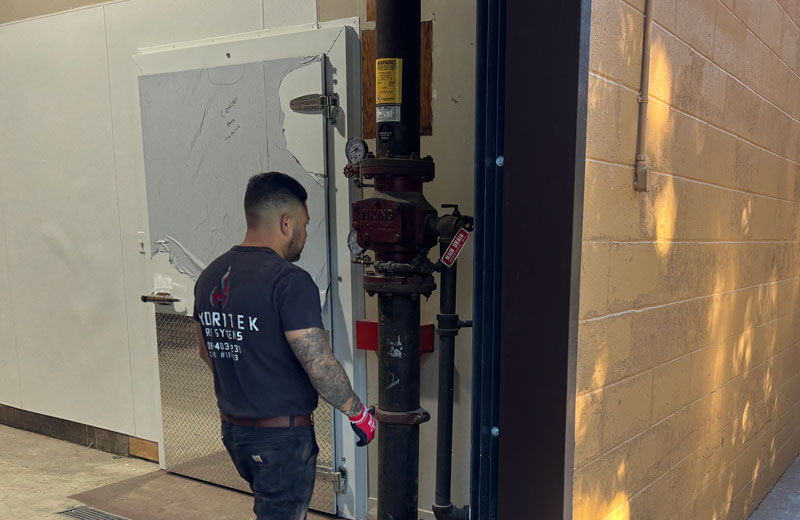
The exact scope depends on the system and the applicable schedule. In general, a qualified technician reviews accessible equipment, checks for visible damage or obstruction, performs scheduled tests, and records findings. The visit may include an assessment of valves, gauges, sprinkler heads, piping, alarms, hangers, and fire department connections.
Afterward, the property owner should receive documentation describing what was inspected or tested, any deficiencies found, and any recommended corrective actions. Ask whether the report distinguishes between completed work and recommendations that remain outstanding. If repairs are needed, clarify their urgency and whether the system is impaired while they are pending.
About Hydrotek Fire Systems LLC
Hydrotek Fire Systems LLC serves as a resource for property owners and managers seeking support with fire sprinkler system inspections, testing, maintenance, and related service needs. A dependable fire protection partner can help explain the condition of a system, identify items requiring attention, and organize service in line with the building’s requirements.
Because inspection obligations vary by location and system design, owners should discuss their specific property, equipment, records, and local code requirements with the service provider. When contacting Hydrotek Fire Systems LLC, ask what the proposed inspection includes, which standard and schedule it follows, what documentation will be provided, and how identified deficiencies can be addressed. Confirm the provider’s available services and qualifications directly before scheduling.
How Building Owners Can Stay on Schedule
Start by collecting system drawings, previous inspection reports, repair records, and any documentation for specialized equipment. Keep an up-to-date list of system components and their locations. Then confirm the applicable code requirements with the fire protection contractor or AHJ, and create a calendar for recurring inspections and tests.
It is also helpful to assign a responsible person to report visible concerns between professional visits. Staff should know how to recognize issues such as a damaged sprinkler head, a valve that appears out of position, water leakage, or blocked sprinkler clearance. They should not attempt repairs or adjust equipment unless authorized and appropriately trained.
Customer FAQs
Can I inspect the sprinkler system myself?
Building staff can perform routine observations when assigned and trained to do so, but those checks do not replace inspections and tests required by code. Technical testing and repairs should be handled by appropriately qualified personnel.
Does every sprinkler head need to be tested every year?
No. Annual inspection of accessible sprinkler heads is different from laboratory testing of sprinkler samples. Sample testing follows specific age-based and system-related requirements, so the applicable standard and equipment history should be reviewed.
Are wet pipe and dry pipe systems inspected on the same schedule?
Not necessarily. Dry, preaction, and deluge systems contain equipment and operating features that may require additional or different checks. The schedule should be based on the system’s design and the adopted requirements.
What should I do if a sprinkler is leaking or damaged?
Treat it as a potential impairment. Follow the building’s emergency and impairment procedures, notify the appropriate responsible parties, and contact a qualified fire protection service provider promptly. Do not try to cap, paint, or repair a sprinkler head yourself.
Do inspection requirements differ by state or city?
Yes. NFPA 25 is widely referenced, but jurisdictions may adopt different editions, amendments, or additional rules. The AHJ, such as the local fire marshal, can clarify which requirements apply to a specific property.
How can I confirm my building is compliant?
Keep complete inspection and test reports, address deficiencies promptly, and confirm the system’s required schedule with a qualified contractor and the AHJ. Compliance is an ongoing responsibility—not a one-time inspection.
Make Fire Sprinkler Inspections Part of Your Safety Plan
The right inspection frequency depends on the building, sprinkler system, equipment, and local regulations. As a starting point, owners should establish a schedule that covers routine checks, periodic professional inspections and tests, and any specialized assessments required for their system. By maintaining accurate records, correcting deficiencies, and working with a knowledgeable fire protection provider such as Hydrotek Fire Systems LLC, property managers can help keep sprinkler systems ready to perform when they are needed most.