
Retrofitting Sprinkler System Cost Estimation and Code Compliance Guidelines
Retrofitting Sprinkler System Cost Estimation and Code Compliance Guidelines
Retrofitting an existing building with a fire sprinkler system is one of the most impactful investments in life safety and property protection a building owner can make. While new constructions seamlessly integrate these systems, retrofitting presents unique challenges involving cost, logistics, and stringent adherence to modern codes. For property managers, business owners, and facility directors, navigating this process requires clear guidance and expert partnership. This article provides a comprehensive overview of cost estimation factors and code compliance essentials for retrofit sprinkler projects, highlighting the specialized expertise offered by Hydrotek Fire Systems LLC.
Introduction to Hydrotek Fire Systems LLC
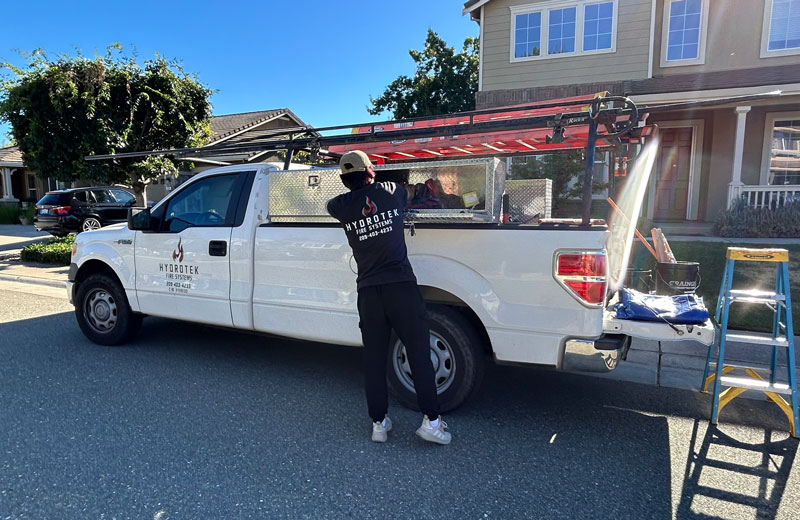
Hydrotek Fire Systems LLC is a premier provider of design, installation, inspection, and maintenance services for fire protection systems across commercial, industrial, and residential sectors. With decades of collective experience, our team specializes in the complexities of retrofit projects, where we balance effective system performance with minimal disruption to ongoing operations. We pride ourselves on a deep understanding of local and national fire codes (NFPA standards, International Building Code, etc.), which allows us to develop compliant, efficient, and cost-effective solutions tailored to each building’s unique architecture and occupancy. Our process begins with a detailed consultation and site survey, forming the foundation for accurate estimation and seamless project execution.
Key Factors Influencing Retrofit Cost Estimation
Estimating the cost of a retrofit sprinkler system is not a one-size-fits-all calculation. A multitude of variables directly impact the final investment. Understanding these factors empowers building owners to make informed decisions and budget appropriately.
1. Building Size, Layout, and Construction Type
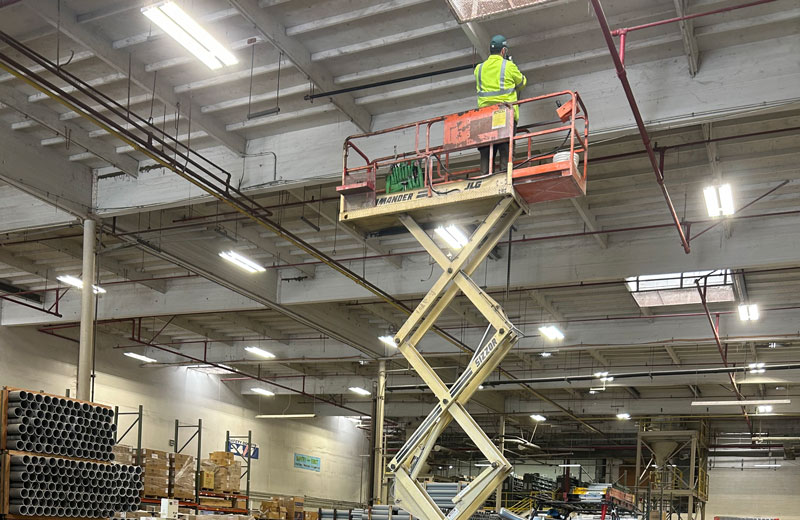
The total square footage is a primary driver. However, the building’s layout is equally critical. Open warehouse spaces are generally less expensive to retrofit than multi-story office buildings with numerous small rooms, corridors, and drop ceilings. Construction materials also matter; working with concrete, steel, or historic finishes can increase labor and material costs compared to standard wood-frame construction.
2. Water Supply and System Type
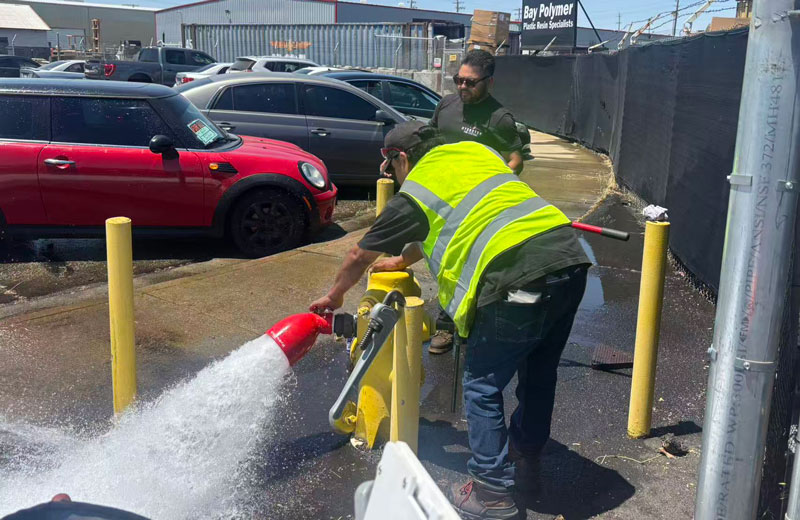
Adequate water supply is paramount. The cost can vary significantly depending on whether the existing municipal water service is sufficient or if a new fire pump, water tank, or dedicated fire service line is required. The choice of system type—such as a wet-pipe, dry-pipe (for unheated areas), or pre-action system (for sensitive environments)—also carries different price tags based on complexity and components.
3. Extent of Concealment and Aesthetic Requirements
In occupied or finished buildings, concealing pipes is often a major expense. Projects may require extensive work in ceiling plenums, behind walls, or coordinated with other trades to maintain aesthetics. Exposed pipe installations are more economical but are not always desirable or permitted in public areas.
4. Accessibility and Ongoing Operations
Retrofitting an occupied building requires careful phasing to minimize business interruption. Work often must be conducted after hours or in sections, potentially increasing labor costs. Difficult access to ceiling spaces, mechanical rooms, or behind fixed equipment adds time and complexity.
5. Local Permit Fees and Inspection Requirements
Cost estimates must include fees for building permits, plan reviews, and inspections mandated by the local Authority Having Jurisdiction (AHJ). These vary by municipality and can be a substantial line item.
6. System Design and Technology
Basic systems are less expensive, but some buildings benefit from advanced features like electronic monitoring, integration with fire alarm systems, or specialized sprinkler heads (e.g., decorative, extended coverage, or early suppression fast-response). These enhancements improve performance but add to the initial cost.
Navigating Code Compliance in Retrofit Projects
Compliance is non-negotiable. Retrofit projects must meet the current fire code adopted by the local AHJ, which is typically based on NFPA 13: Standard for the Installation of Sprinkler Systems. However, retrofits often operate under different rules than new builds.
1. Understanding “Grandfathering” and Triggers
Existing buildings are often “grandfathered” under older codes. A retrofit project, however, can trigger a requirement to upgrade the entire building or specific systems to current standards. Common triggers include a major renovation, change of occupancy, or an addition exceeding a certain percentage of the building’s area. A professional like Hydrotek will identify these triggers early.
2. Performance-Based Design vs. Prescriptive Code
Sometimes, strict adherence to prescriptive code (e.g., spacing and location rules for sprinkler heads) is impractical in a historic or uniquely designed building. In such cases, a Performance-Based Design approach, engineered by qualified professionals, may be pursued. This involves computer modeling to demonstrate that an alternative design meets or exceeds the life safety objectives of the code, offering flexibility while maintaining safety.
3. Coordination with Other Life Safety Systems
Installing a new sprinkler system often requires integration or upgrades to existing fire alarm systems, notification devices, and emergency lighting to ensure full code compliance. The fire alarm system may need to be modified to monitor the new sprinkler water flow and valve supervisory switches.
4. Documentation and AHJ Liaison
A successful project requires meticulous documentation: construction drawings, hydraulic calculations, equipment cut sheets, and manuals. Hydrotek manages the entire submission and review process with the AHJ, addressing questions and revising plans as needed to secure approval before any installation begins.
Answers to Common Client Questions
1. “What is the typical cost per square foot for a retrofit?”
While a rough benchmark can range from $2.50 to $6.00+ per square foot, this is highly deceptive without a site survey. The variables discussed above mean the cost for a historic museum will be vastly different from a modern warehouse. Hydrotek provides firm estimates only after a detailed evaluation.
2. “Will I have to shut down my business during installation?”
Not necessarily. A skilled contractor like Hydrotek develops a phased installation plan to work around your operations, often performing work during off-hours or weekends to avoid disruption. Clear communication and scheduling are key.
3. “My building is old and has unique features. Can I even install sprinklers?”
Absolutely. While challenging, retrofitting historic or architecturally unique buildings is a specialty. Solutions like surface-mounted piping, custom-finished components, and performance-based designs can protect the building’s character while bringing it up to modern safety standards.
4. “What is the return on investment (ROI) beyond compliance?”
The ROI is substantial: potentially significant reductions in property insurance premiums (often 10-30%), enhanced asset protection, increased tenant safety and satisfaction, and improved property value. Most importantly, it provides irreplaceable protection for lives.
5. “How long will the project take from start to finish?”
Timelines vary widely. A small office suite may take a few weeks, while a large multi-use facility can take several months. The process includes design/engineering, permit approval, procurement, installation, inspection, and final certification. Hydrotek provides a realistic timeline as part of the initial proposal.
Retrofitting a fire sprinkler system is a significant but immensely valuable undertaking. Accurate cost estimation hinges on a thorough understanding of the building’s specific conditions, while navigating code compliance requires expertise and proactive management. Partnering with an experienced, full-service provider like Hydrotek Fire Systems LLC ensures the project is executed efficiently, compliantly, and with minimal disruption, ultimately delivering peace of mind through superior fire protection. Contact Hydrotek today for a comprehensive site assessment and detailed proposal tailored to your building’s needs.