
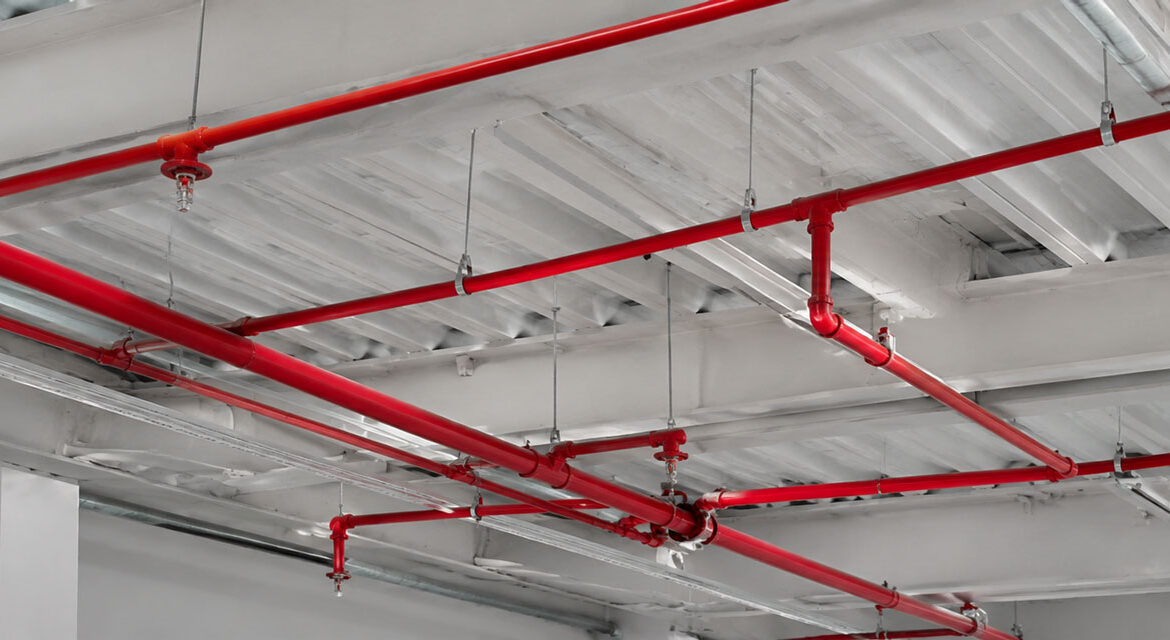
Basement Conversion Fire Sprinkler Code Compliance and Cost Estimation Tips
Transforming a basement into a livable space—be it a rental unit, home office, gym, or in-law suite—is a fantastic way to add value and functionality to your property. However, this exciting project comes with a critical responsibility: ensuring life safety through proper fire protection. In most jurisdictions, a basement conversion triggers stringent building and fire code requirements, with the installation of an automatic fire sprinkler system often being mandatory. Navigating these codes and accurately estimating costs can be daunting. This guide, brought to you by the experts at Hydrotek Fire Systems LLC, will illuminate the path to compliance and provide essential cost estimation tips.
Understanding the “Why”: The Critical Role of Sprinklers in Basements
Basements present unique fire safety challenges. They are often below ground, with limited egress points, making escape difficult and firefighter access challenging. Fires can go undetected longer, and smoke and heat can quickly fill the space. An automatic fire sprinkler system is the most effective tool to control a fire in its incipient stage, dramatically increasing occupant survival chances and limiting property damage. Building codes, such as the International Residential Code (IRC) and International Building Code (IBC), typically mandate sprinklers when a basement is finished to create a dwelling unit, when it exceeds a certain square footage, or when the number of exits is limited. Local amendments always take precedence, so checking with your local Authority Having Jurisdiction (AHJ)—usually the building or fire department—is the essential first step.
Meet Your Compliance Partner: Hydrotek Fire Systems LLC
Hydrotek Fire Systems LLC is a full-service fire protection contractor specializing in the design, installation, and inspection of residential and commercial fire sprinkler systems. With years of experience serving homeowners, builders, and architects, we understand the intricacies of basement conversions. Our team is proficient in the latest national and local codes, ensuring your project not only meets but exceeds safety standards. From the initial free consultation and code analysis to precise system design, professional installation, and final AHJ coordination, Hydrotek manages the entire process. We pride ourselves on clear communication, transparent pricing, and workmanship that gives you peace of mind, knowing your new space is beautiful, functional, and, above all, safe.
Decoding the Compliance Process: A Step-by-Step Guide
Step 1: Preliminary Consultation and Code Research
Before drawing up plans, engage a professional. Hydrotek begins with a site visit to assess your basement’s layout, existing plumbing, electrical service, and water supply. We simultaneously research the specific requirements of your local AHJ. This dual approach allows us to provide accurate, actionable advice on what’s required for your exact project.
Step 2: System Design and Plan Submission
A licensed designer will create detailed sprinkler system plans tailored to your basement’s finished layout. This design specifies pipe sizes, sprinkler head locations (for optimal coverage), the type of system, and connection points. Hydrotek then handles the submission of these engineered plans to your local building department for permit approval—a non-negotiable step before any installation begins.
Step 3: Installation by Certified Technicians
Once permitted, our certified, background-checked technicians perform the installation with minimal disruption. For many basement conversions, a standalone “multipurpose” system is ideal. This system integrates directly with your home’s cold-water plumbing, eliminating the need for a separate, dedicated fire line and backflow device in many cases, which can significantly reduce cost and complexity.
Step 4: Inspection, Testing, and Final Approval
After installation, Hydrotek conducts thorough in-house testing. We then schedule and manage the final inspection with the local fire marshal or building official. Our team ensures everything is ready for a smooth approval, providing you with all necessary documentation for your records and for closing out your building permit.

Client Common Questions Answered by Hydrotek
“Will I need a separate water meter and backflow preventer?”
Not always. For many residential conversions, a multipurpose system tied to the domestic water line is code-compliant and avoids these costly additions. The need for a dedicated line depends on local code and water supply capacity, which we evaluate during our consultation.
“How disruptive is the installation to my existing home?”
We plan meticulously to minimize disruption. Piping is typically routed through basement joists and walls. Access may be needed in some wall/ceiling areas, but our crews are clean and efficient, and we restore any necessary access points.
“Can I install the sprinkler heads myself to save money?”
Absolutely not. Fire sprinkler installation is not a DIY project. Improper installation can lead to system failure, catastrophic water damage from accidental discharge, and, most importantly, a false sense of security. It is illegal in most areas to install without a license and will certainly fail inspection, void insurance, and put lives at risk.
“What if my water pressure is low?”
We perform a water flow test as part of our initial assessment. If pressure or volume is insufficient, solutions include installing a dedicated fire pump or a pressurized tank system. We identify this issue early to factor into the design and estimate.
Basement Sprinkler System Cost Estimation Tips
Costs vary widely based on size, complexity, and region, but a typical range for a standalone basement system is $2.00 to $3.50 per square foot. Use these tips for a realistic estimate:
1. Square Footage is the Primary Driver
The total finished area of the basement is the biggest cost factor. Larger spaces require more pipe, more sprinkler heads, and potentially larger supply lines.
2. Complexity of Layout
An open-plan rec room is simpler and less expensive to sprinkle than a basement subdivided into many small bedrooms, bathrooms, and hallways. Each compartment requires careful head placement and additional piping.
3. Water Supply Solution
As noted, a simple tie-in to an adequate domestic line is most economical. Costs rise if you need a new backflow preventer, a dedicated meter, or a fire pump/tank system.
4. Ceiling Type and Finish
Installing sprinklers in exposed joists is straightforward. Finished drywall ceilings require more labor for precise head placement and patching. Pendant heads (hanging down) are standard; flush or concealed heads for finished ceilings add to the cost.
5. Obtaining Accurate Quotes
Always get 2-3 detailed, written quotes from licensed contractors like Hydrotek. Ensure the quote includes: design, permits, all materials (heads, pipe, hangers, valve), labor, inspection fees, and a warranty. Beware of vague low-ball estimates that exclude critical components.
Investing in a code-compliant fire sprinkler system for your basement conversion is an investment in safety, legality, and peace of mind. It protects your property, your potential tenants, and your family. By partnering with an experienced provider like Hydrotek Fire Systems LLC, you ensure the process is seamless, the system is reliable, and your transformed basement is a secure and valuable addition to your home. Contact us today for a free, no-obligation consultation and take the first confident step toward your project.