
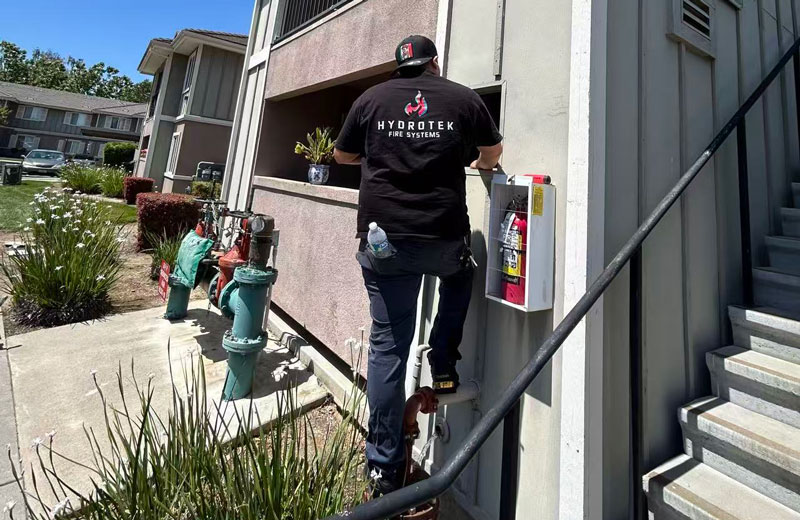
How Apartment Owners Can Stay Compliant With Apartment Sprinkler Inspection Standards
For apartment owners and property managers, ensuring the safety of residents is not only a moral imperative but also a critical legal and financial responsibility. At the heart of building safety lies the fire sprinkler system—a silent guardian that can mean the difference between a minor incident and a catastrophic loss. Staying compliant with apartment sprinkler inspection standards is a complex, ongoing process governed by a web of local, state, and national codes. This guide provides a clear roadmap for compliance, highlighting the essential steps and introducing how a specialized partner like Hydrotek Fire Systems LLC can ensure your properties are always protected and up to code.
Understanding the Regulatory Landscape
Compliance begins with knowledge. Apartment sprinkler systems are primarily regulated by standards set forth by the National Fire Protection Association (NFPA), specifically NFPA 25: Standard for the Inspection, Testing, and Maintenance of Water-Based Fire Protection Systems. This standard is the benchmark adopted by most jurisdictions across the United States.
Key Authorities Having Jurisdiction (AHJs)
It is crucial to identify your specific AHJs. These typically include:
Local Fire Marshal’s Office: They enforce fire codes and conduct periodic inspections.
Building Department: They ensure compliance with construction and installation codes (like NFPA 13 for installation).
Insurance Providers: Your carrier will have its own requirements, often exceeding minimum code, to mitigate their risk.
Failure to adhere to these standards can result in severe consequences, including hefty fines, increased insurance premiums, liability in the event of a fire, and, most gravely, the endangerment of lives.
The Pillars of Compliance: Inspection, Testing, and Maintenance (ITM)
NFPA 25 outlines a tiered approach to ITM, defining specific frequencies for tasks ranging from weekly checks to annual and quinquennial (5-year) tests. A compliant program rests on these pillars.
Routine Inspections (Weekly, Monthly, Quarterly)
These are visual checks to ensure the system appears to be in operational condition.
Weekly: Inspect control valves to ensure they are open and accessible.
Monthly: Check gauges on wet pipe systems to verify proper water pressure.
Quarterly: Inspect alarm devices, valve supervisory switches, and hydraulic nameplates.
Annual Testing and Maintenance
This involves hands-on testing of critical components.
Main Drain Test: Measures water supply performance and detects changes in supply piping.
Inspector’s Test: Simulates water flow to ensure alarms activate correctly.
Visual Inspection of Sprinkler Heads: Check for corrosion, damage, paint, or obstructions that would hinder operation.
Waterflow Alarm and Supervisory Switch Testing: Verify all alarm signals are received at the designated location.
5-Year and Beyond Internal Inspections
These are more invasive and require specialized expertise.
Internal Inspection of Piping: At 5-year intervals (or more frequently in problem environments), a representative sample of pipe is examined internally for corrosion or blockages.
Fire Pump Tests: Annual full-flow testing is required, with more comprehensive testing at longer intervals.
Backflow Prevention Assembly Testing: Required annually in most jurisdictions to protect the water supply.

Implementing a Compliant ITM Program
A paper trail is as important as the physical work. A robust compliance program includes:
Detailed Record Keeping
Maintain a permanent log for each property that includes:
All inspection, test, and maintenance reports.
Records of any impairments (when the system is taken offline) and the restoration of service.
As-built drawings and system specifications.
Manufacturer data sheets for system components.
Scheduling and Documentation
Use a calendar management system to proactively schedule all required ITM activities. Document every action with date, personnel, observations, and any corrective actions taken. This log is your first line of defense during an AHJ or insurance audit.
Partnering with a Professional Service Provider: Hydrotek Fire Systems LLC
Navigating the complexities of NFPA 25 requires specialized knowledge, tools, and certification. Many apartment owners find that partnering with a dedicated fire protection company is the most reliable and efficient path to continuous compliance.
About Hydrotek Fire Systems LLC
Hydrotek Fire Systems LLC is a full-service fire protection contractor specializing in the inspection, testing, maintenance, and repair of water-based fire sprinkler systems for multi-family residential properties. Our team of NICET-certified technicians is thoroughly trained in the latest NFPA standards and local code requirements. We go beyond mere compliance, offering proactive solutions and detailed reporting that gives property owners and managers peace of mind. Our services are designed to protect your residents, your asset, and your bottom line by ensuring your life safety systems are always ready to perform.
Answers to Common Client Questions
“How often do I really need to have my sprinkler system inspected?”
The schedule is mandated by NFPA 25, not by personal preference. It requires activities at weekly, monthly, quarterly, annual, and 5-year intervals. A qualified service provider like Hydrotek will manage this entire schedule for you, ensuring no critical task is missed.
“Can my maintenance staff perform these inspections?”
While basic weekly visual checks of valves can be done in-house, most ITM tasks require certified technicians. Annual and 5-year tests involve specialized equipment and knowledge to perform safely and correctly. Improper testing can accidentally cause water damage or leave the system impaired. Professional providers carry the necessary licenses, insurance, and expertise.
“What happens if I fail an inspection by the fire marshal?”
You will typically receive a violation notice with a deadline for correction. The system may be flagged as impaired, which must be reported to your insurance company and could require you to implement a temporary “fire watch” with security personnel—a costly endeavor. Proactive, professional maintenance virtually eliminates this risk.
“Why do I see different requirements from my insurance company?”
Insurance companies often set stricter standards to reduce their risk. Compliance with NFPA 25 is usually the minimum; your carrier may require additional checks or more frequent testing. Hydrotek works with both AHJ and insurance requirements to ensure full compliance on all fronts.
“What is the biggest compliance mistake you see?”
The most common issue is neglecting record-keeping. Even if the work is done, without proper documentation, it is as if it never happened in the eyes of an auditor. The second is ignoring minor issues like a leaking valve or a painted-over sprinkler head, which can escalate into system failure or code violations.
Compliance as an Investment
Viewing sprinkler system compliance as a mere regulatory cost is a short-sighted approach. It is a strategic investment in risk management. A well-maintained system:
Saves Lives and Property: It is your most effective tool for fire safety.
Reduces Liability: Demonstrates due diligence in protecting residents.
Lowers Insurance Costs: Many carriers offer premiums discounts for documented, professional ITM programs.
Protects Asset Value: A non-compliant property faces legal and financial hurdles during sale or refinancing.
By understanding the standards, implementing a disciplined ITM program, and partnering with an expert service provider like Hydrotek Fire Systems LLC, apartment owners can transform compliance from a source of anxiety into a cornerstone of their property management strategy—ensuring safety, stability, and peace of mind for all.