
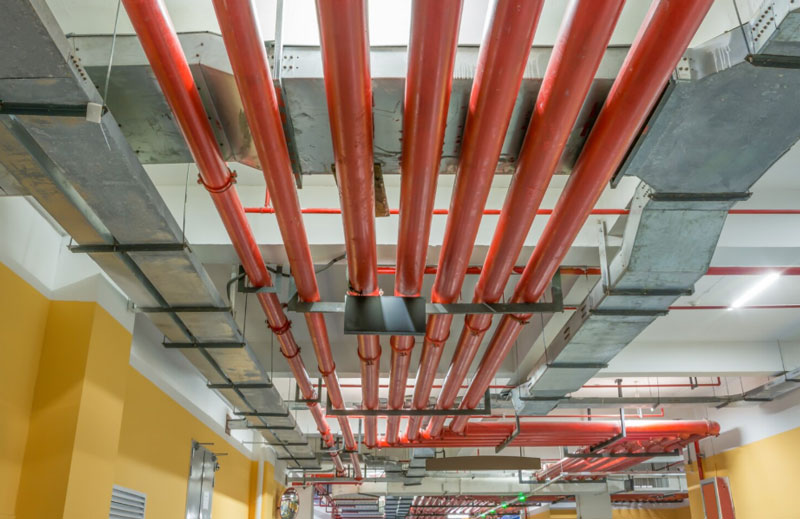
How Often Is a Fire Inspection Required to Meet Local Fire Code Standards
Ensuring compliance with local fire codes is a critical responsibility for any property owner or manager. A key component of this compliance is the regular inspection of fire protection systems and life safety features. The frequency of these inspections is not arbitrary; it is meticulously defined by a combination of national standards, state regulations, and local municipal ordinances. This article will explore the factors that determine inspection schedules and provide clarity on this essential aspect of fire safety.
Understanding the Regulatory Framework
Fire inspection frequency is primarily governed by a hierarchy of codes and standards. At the foundation are model codes, such as the International Fire Code (IFC) and NFPA standards (like NFPA 25 for water-based fire protection systems and NFPA 72 for fire alarm systems). These model codes provide detailed, nationally recognized guidelines.
However, the local authority having jurisdiction (AHJ)—typically the city or county fire marshal’s office—has the final say. They adopt and amend these model codes to suit local needs. Therefore, while NFPA 25 might recommend quarterly inspections for sprinkler systems and annual tests for certain components, your local fire department may have more stringent or specific requirements.
Common Inspection Frequencies by System Type
While local codes are paramount, the following are typical inspection, testing, and maintenance (ITM) frequencies derived from national standards:
Fire Sprinkler Systems (NFPA 25):
Weekly/Monthly: Inspect control valves, gauges, and alarm devices.
Quarterly: Inspect water flow alarm devices, valve supervisory switches, and hydraulic nameplates.
Annually: Conduct a full visual inspection of all system components, test water flow alarms, and inspect pipe and fittings.
5-Year & 10-Year: Internal inspection of sprinkler piping and obstruction investigations.
Fire Alarm Systems (NFPA 72):
Weekly/Monthly: Inspect control panels, batteries, and power supplies.
Semi-Annually/Annually: Test all initiating devices (smoke detectors, pull stations), notification appliances (horns, strobes), and control functions.
Annually: Conduct battery tests and inspect all system components.
Fire Extinguishers (NFPA 10):
Monthly: Visual inspection by building owner/occupant.
Annually: Maintenance inspection by a certified technician.
6 & 12 Years: Require internal maintenance and hydrostatic testing (for some types).
Commercial Kitchen Hood Suppression Systems: Typically require semi-annual inspections by a certified specialist.
Factors Influencing Local Inspection Requirements
Beyond the system-specific schedules, local fire codes often mandate broader periodic fire code compliance inspections of the entire facility. The frequency of these can vary based on:
Occupancy Type: High-risk occupancies like hospitals, schools, assembly halls (theaters, arenas), and industrial facilities are inspected more frequently—often annually or even semi-annually. Lower-risk office buildings or small retail spaces may be on a 1-to-3-year cycle.
Property History: Facilities with prior fire code violations or a history of fires may be subject to increased scrutiny and more frequent inspections.
Local Resources: The size and capacity of the local fire prevention bureau can impact how often they can proactively schedule inspections for all properties in their jurisdiction.
The Critical Role of Professional Fire Protection Companies
Meeting these complex and varied inspection requirements is a demanding task. This is where partnering with a qualified, experienced fire protection service provider becomes indispensable.
Introducing Hydrotek Fire Systems LLC
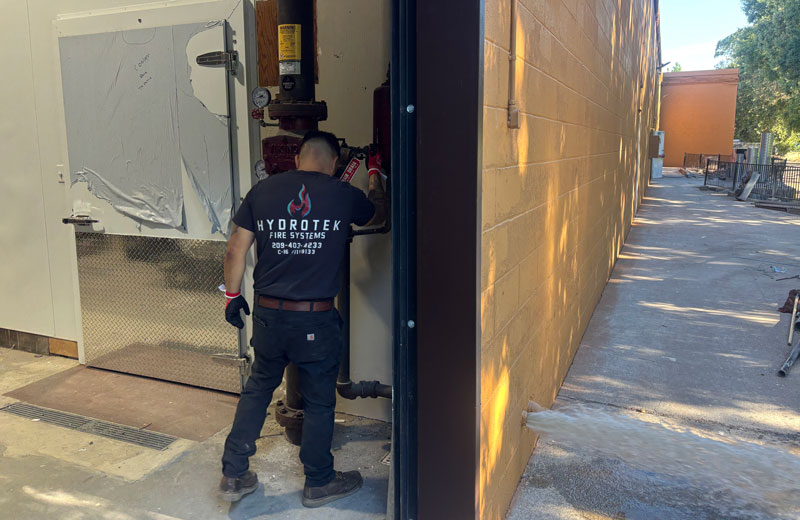
At Hydrotek Fire Systems LLC, we specialize in ensuring our clients’ properties not only meet but exceed local fire code standards. As a full-service fire protection contractor, our certified technicians are experts in the inspection, testing, maintenance, and repair of all major fire protection systems. We understand the intricate web of national standards (NFPA) and local amendments, and we work directly with your local AHJ to ensure seamless compliance. Our detailed service reports provide the documentation required to prove due diligence to fire officials and insurance providers.
Client Frequently Asked Questions (FAQs)
Who is responsible for scheduling and paying for fire inspections?
The property owner or designated manager is ultimately responsible for ensuring all required inspections are performed by qualified personnel and for covering the associated costs. This is a critical operational expense for life safety.
What happens if I miss or fail a fire inspection?
Failure to comply with inspection schedules can result in fines, violations, and orders to cease operations until deficiencies are corrected. More importantly, it exposes occupants and assets to unnecessary risk. Insurance companies may also deny claims if systems are found to be non-compliant.
Can my in-house maintenance staff perform these inspections?
While visual monthly checks of fire extinguishers or exit lights might be permissible, most inspection and testing tasks must be performed by NICET-certified or otherwise state-licensed fire protection technicians. Their certification ensures the work meets the strict technical standards of the code.
How do I find out the specific requirements for my property?
The best first step is to contact your local fire marshal’s office. They can provide you with the adopted codes and any local amendments. Alternatively, a professional service provider like Hydrotek Fire Systems LLC can perform a code analysis for your specific facility and occupancy.
What documentation do I need to keep?
Maintain detailed records of all inspection, testing, and maintenance activities. This includes dated reports, certificates of completion, and tags on equipment (like fire extinguishers). These records must be made available to the fire inspector upon request. Hydrotek provides comprehensive digital and physical reports for this exact purpose.
Proactive Compliance is Key
The question “How often is a fire inspection required?” underscores a fundamental principle: fire safety is an ongoing process, not a one-time event. Adhering to the required inspection frequencies is a legal obligation and a moral imperative to protect lives and property.
Navigating the complexities of local fire codes requires expertise and diligence. By understanding the standard schedules, recognizing the factors that influence local requirements, and partnering with a trusted provider like Hydrotek Fire Systems LLC, property managers can transform compliance from a source of anxiety into a well-managed, documented pillar of their operational safety plan. Regular, professional inspections are the surest way to ensure your fire protection systems will perform as designed when they are needed most.