
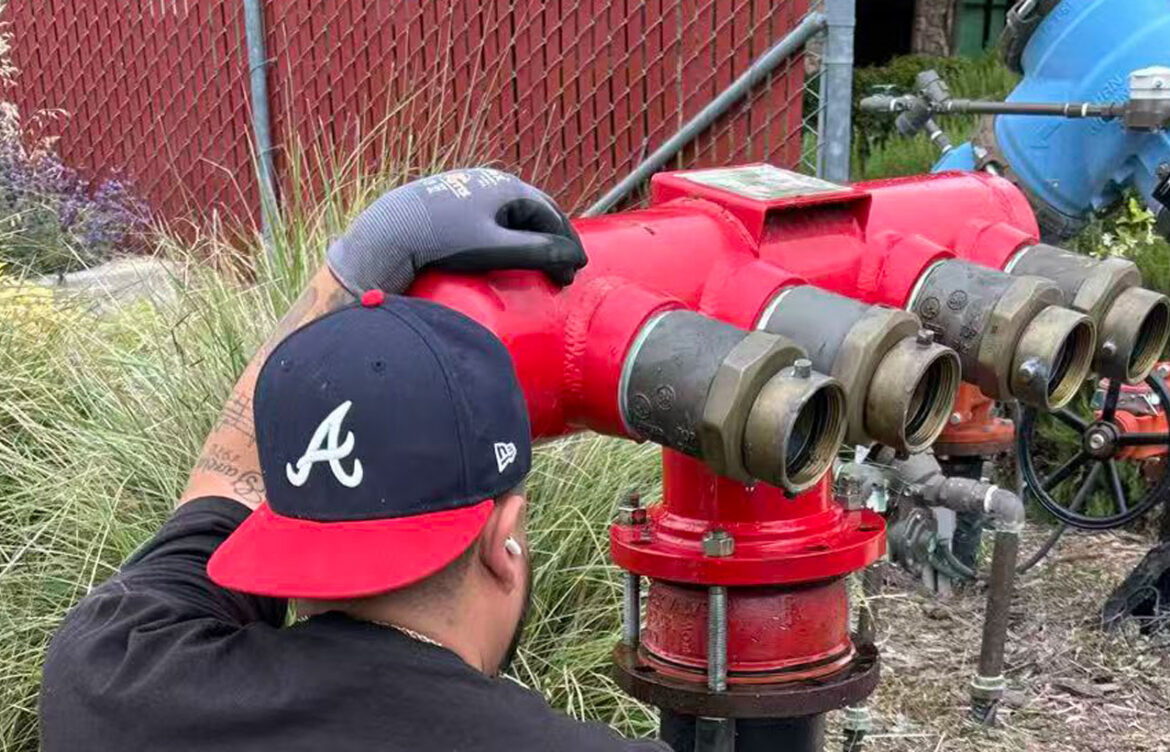
Key Precautions When You Fix Fire Hydrant in Commercial & Residential Premises
Fire hydrants are critical components of any property’s life safety infrastructure. Whether in a bustling commercial complex or a residential community, ensuring these systems are properly installed, maintained, and repaired is non-negotiable. A malfunctioning or improperly serviced fire hydrant can lead to catastrophic consequences during an emergency. This article outlines the essential precautions that property managers, facility teams, and authorized contractors must take when undertaking repairs or fixes on fire hydrant systems. Adhering to these guidelines not only ensures compliance with codes but, more importantly, safeguards lives and property.
Understanding the System: Types and Components
Before any repair work begins, a thorough understanding of the fire hydrant system is paramount. In commercial and residential premises, you will typically encounter two main types:
1. Wet Barrel Hydrants
Common in regions where freezing is not a concern, these hydrants have water in the barrel at all times. Each outlet has its own valve. Precautions here focus on preventing accidental discharge and ensuring valve seals are intact.
2. Dry Barrel Hydrants
Used in colder climates, the main valve is located deep below the frost line. The barrel itself is dry until the hydrant is opened. Key precautions involve ensuring proper drainage to prevent freezing and corrosion in the barrel.
Key components requiring attention during fixes include the main valve, operating nut, barrel, drainage ports, outlets (nozzles), and the protective caps. Always reference the system’s original design and as-built drawings.
Pre-Repair Planning and Authorization
Never initiate work on a fire hydrant system without proper planning and authorization.
Securing Necessary Permits
Most municipalities require permits for any work on fire protection systems. Contact the local Authority Having Jurisdiction (AHJ)—typically the fire marshal’s office—to understand the specific requirements. Unpermitted work can result in fines and invalidate insurance.
Notifying Stakeholders
In commercial settings, inform building tenants and security. In residential areas (like apartments or condominiums), notify the homeowners’ association and residents. If the repair necessitates a temporary water shutdown, a detailed plan for fire watch (a person continuously patrolling the premises for fire) must be implemented and approved by the AHJ.
Reviewing Standards and Codes
All work must comply with NFPA 25 (Standard for the Inspection, Testing, and Maintenance of Water-Based Fire Protection Systems) and local codes. The technician performing the fix must be qualified and familiar with these standards.
Critical Safety Precautions During the Fix
Once planning is complete, executing the repair with safety as the top priority is essential.
1. System Depressurization and Draining
For wet systems, locate and close the correct control valve to isolate the hydrant. Always verify the system is depressurized by slowly opening the hydrant valve before disassembly. For dry barrel hydrants, ensure the main valve is closed and the barrel is fully drained. Never assume a valve is holding; use proper bleeding techniques.
2. Worksite Safety
Establish a clear work zone. Use signage and cones. Hydrant repairs often involve heavy components and specialized tools like hydrant wrenches. Use correct lifting techniques and personal protective equipment (PPE) including gloves, safety glasses, and steel-toe boots. Beware of traffic if the hydrant is near a roadway.
3. Component Inspection and Handling
As parts are disassembled, inspect each meticulously. Look for:
Corrosion or wear on threads
Cracked or damaged gaskets and O-rings
Obstructions in the barrel or drainage ports
Damage to the main valve seat
Never force components. Clean all threads and mating surfaces before applying appropriate lubricant as specified by the manufacturer.
4. Avoiding Contamination
A critical precaution is preventing debris from entering the system. Cap open pipes immediately. Clean the work area to ensure no dirt, rocks, or tools fall into the hydrant or connected piping.
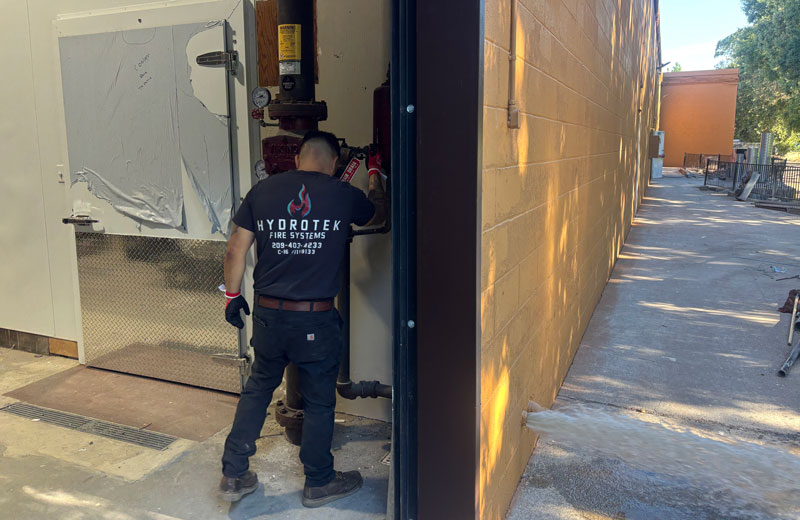
Post-Repair Testing and Documentation
A fix is not complete until the system is fully validated.
1. Step-by-Step Pressurization
After reassembly, open the control valve slowly to pressurize the system. This prevents water hammer and allows you to check for leaks at each connection point.
2>Comprehensive Flow and Drainage Test
Conduct a full flow test per NFPA 25 guidelines. This verifies the hydrant delivers the required pressure and volume. For dry barrel hydrants, after closing the hydrant, observe the drainage to ensure the barrel empties completely and within the specified time. Poor drainage leads to freeze damage.
3. Final Inspection and Sign-Off
Have the work inspected by the AHJ if required. Ensure all protective caps are in place and tethered. The caps must be removable by fire department tools but not easily by hand.
4. Meticulous Record Keeping
Document every detail: the date, nature of the repair, parts replaced, test results (static and residual pressure, flow rate), and the name of the performing technician. This log is crucial for compliance, warranty, and future maintenance.
Common Customer Questions Addressed
Property owners often have concerns when facing hydrant repairs:
“How long will the hydrant be out of service?” A minor repair (e.g., replacing an O-ring) may take 2-4 hours. Major valve or barrel work could take a full day, plus time for drying/concrete work if the pit is excavated.
“Do we need a fire watch during the repair?” If the system is impaired (e.g., water is shut off), a fire watch is mandatory until the system is restored and accepted by the AHJ.
“Can our maintenance staff perform this repair?” Only if they are specifically trained and certified on fire hydrant systems. Improper repair carries immense liability. Most jurisdictions require work by a licensed fire protection contractor.
“How often should our hydrants be inspected?” NFPA 25 requires annual inspections and flow tests. However, visual checks for damage or obstruction should be done quarterly.
Why Professional Service is Non-Negotiable
This brings us to the vital role of specialized service providers. Hydrotek Fire Systems LLC exemplifies the expertise required for such critical work. As a dedicated fire protection service provider, Hydrotek brings:
Deep Code Knowledge: Their technicians are trained on NFPA standards and local amendments.
Specialized Tools and Parts: They possess the correct wrenches, pressure gauges, flow test kits, and access to OEM or certified-compatible replacement parts.
Liability and Insurance: They carry professional liability and insurance, protecting your property from the risks associated with improper repairs.
Full Documentation: They provide comprehensive service reports, ensuring your compliance records are intact for insurance and regulatory reviews.
Attempting a DIY fix or hiring an unqualified plumber for a fire hydrant repair is a profound risk. The consequences of failure—a burst connection, inadequate water pressure during a fire, or a frozen and ruptured barrel—are too severe.
Fixing a fire hydrant is a task that demands respect, preparation, and precision. The key precautions—from thorough planning and system understanding to safe execution and rigorous post-repair testing—form an indispensable protocol. By entrusting this responsibility to qualified professionals like Hydrotek Fire Systems LLC, property managers in both commercial and residential premises ensure their fire hydrant systems remain a reliable guardian, ready to perform at the critical moment when every second counts. Remember, in fire safety, there is no room for shortcuts. The meticulous care taken during a repair today directly contributes to the protection of lives and assets tomorrow.