
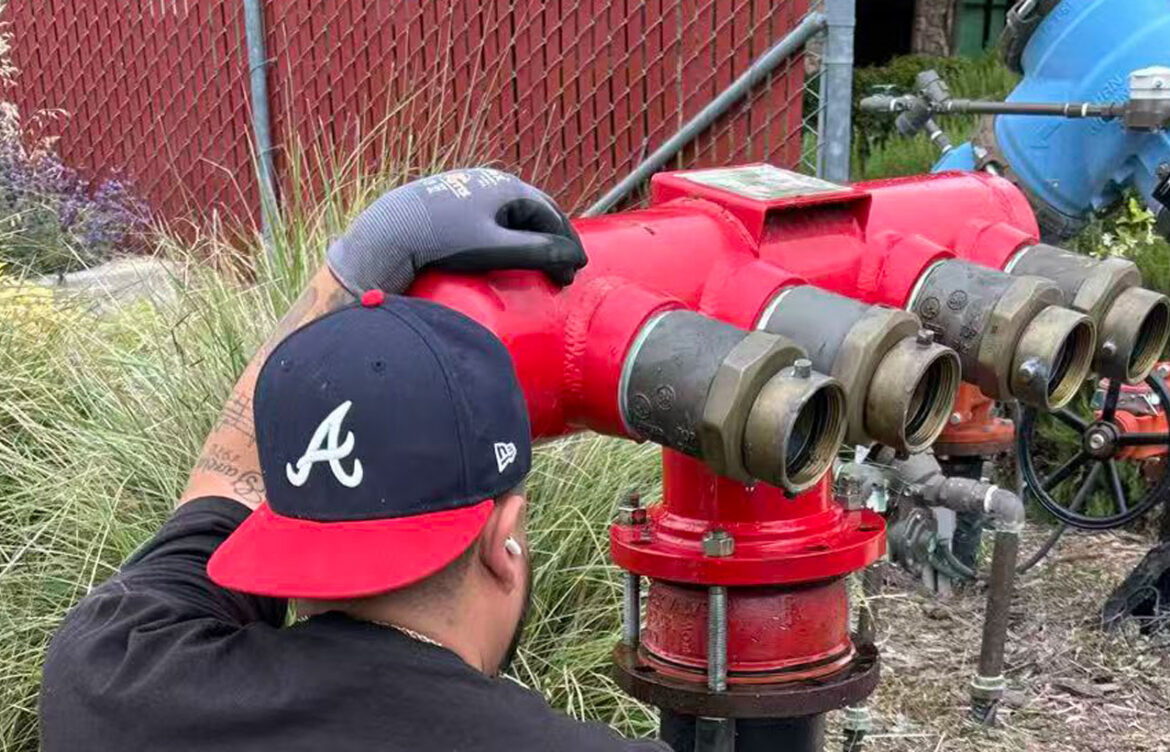
Quarterly Fire Sprinkler Testing Mandatory Safety Checks for Commercial Buildings
In the realm of commercial property management and business operations, few responsibilities carry as much weight as ensuring life safety. At the heart of a building’s passive and active fire protection strategy lies the automatic fire sprinkler system. These silent sentinels stand ready 24/7 to contain and extinguish fires, protecting lives, property, and business continuity. However, their reliability is not inherent; it is earned through rigorous, consistent, and mandatory maintenance. Quarterly fire sprinkler testing is not merely a recommendation—it is a critical, code-enforced requirement that forms the backbone of a responsible safety protocol for any commercial building.
The Critical Importance of Quarterly Testing
Fire sprinkler systems are complex networks of pipes, valves, alarms, and water supplies designed to activate under specific conditions. The National Fire Protection Association (NFPA) Standard 25, “Standard for the Inspection, Testing, and Maintenance of Water-Based Fire Protection Systems,” is the universally adopted benchmark that mandates quarterly inspections and tests. These checks are essential for several reasons:
Ensuring Operational Readiness: A sprinkler system is only as good as its last test. Quarterly checks verify that control valves are open, water pressure is adequate, and alarm devices are functional. A single closed valve can render an entire system inoperable.
Early Problem Detection: Regular testing identifies minor issues—like small leaks, corrosion, or obstructions—before they escalate into major failures. Proactive maintenance is far less costly than emergency repairs or, worse, system failure during a fire.
Compliance with Laws and Insurance: Adherence to NFPA 25 is legally required by local and state fire codes. Furthermore, insurance providers often mandate proof of regular testing to maintain coverage. Non-compliance can result in fines, increased liability, and voided insurance policies.
Protecting Lives and Assets: Ultimately, these quarterly checks are about preserving human life and safeguarding the physical assets, inventory, and data that a business depends on. A functioning sprinkler system dramatically reduces fire spread, injury, and fatalities.
Key Components of a Quarterly Fire Sprinkler Test
A comprehensive quarterly inspection, performed by certified professionals, involves a systematic review of critical system components.
1. Control Valve Inspection
All control valves, including the main water supply valve, alarm valves, and drain valves, are inspected to ensure they are in the correct “open” or “closed” position and are securely locked or supervised. Valves found closed without authorization are a leading cause of sprinkler system failure.
2. Gauges and Water Pressure Check
System gauges are examined to confirm that water pressure is maintained within the designed parameters. Abnormal pressure readings can indicate leaks, pump issues, or problems with the city water supply.
3. Alarm Device Testing
Water flow alarms and supervisory alarm devices (like valve tamper switches) are tested to verify they send a signal to the building’s fire alarm panel and, often, directly to a central monitoring station. This ensures that when the system activates, the alarm is raised immediately.
4. Visual Inspection of System Components
A visual check is conducted for signs of physical damage, leakage, corrosion, paint buildup on sprinkler heads, obstructions, or any changes in the occupancy that might affect system performance. Sprinkler heads must be kept clear of stored materials.
5. Trip Test of Dry Pipe Valves (If Applicable)
For buildings with dry pipe systems (common in unheated areas), a quarterly “trip test” is performed. This simulates a loss of air pressure to ensure the valve opens quickly and correctly, allowing water to flow into the system pipes.
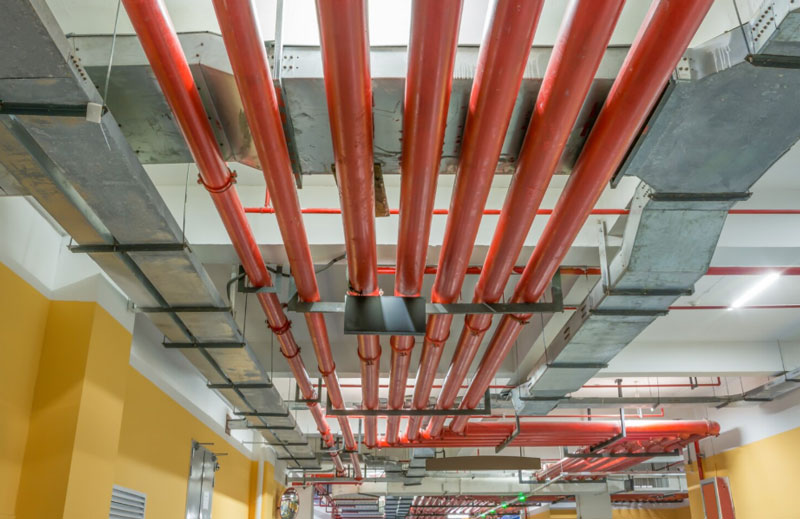
Introducing Your Safety Partner: Hydrotek Fire Systems LLC
Navigating the complexities of fire code compliance requires expertise, precision, and reliability. This is where Hydrotek Fire Systems LLC excels as your dedicated life safety partner. With years of specialized experience in the design, installation, inspection, testing, and maintenance of fire protection systems, Hydrotek brings a commitment to excellence that commercial building owners and facility managers can trust.
Our team of NICET-certified technicians is thoroughly trained in NFPA standards and local codes. We don’t just perform tasks; we provide a comprehensive service that includes detailed reporting, compliance documentation, and proactive recommendations. At Hydrotek Fire Systems LLC, we understand that our work is foundational to the safety of your occupants and the resilience of your business. We pride ourselves on transparent communication, punctual service, and building long-term relationships based on unwavering confidence in our workmanship.
Addressing Common Client Questions
1. Is quarterly testing really mandatory, or can we do it annually?
Yes, it is mandatory. NFPA 25 and the International Fire Code (IFC) explicitly require specific inspections and tests at quarterly intervals. Annual inspections are also required but cover different, more comprehensive components. Skipping quarterly tests is a violation of fire code and jeopardizes safety and insurance coverage.
2. Can our in-house maintenance staff perform these tests?
While basic weekly or monthly visual checks can be done in-house, the quarterly tests mandated by NFPA 25 often require specialized knowledge, tools, and calibration equipment. More importantly, they must be performed by qualified personnel to ensure validity for code compliance and insurance purposes. Hydrotek’s certified technicians provide the expertise and official documentation required.
3. What happens during a test? Will it set off the alarms or cause water damage?
Professional testing is designed to be minimally disruptive. Testing alarm devices typically involves using a mechanical bypass or test valve that triggers the alarm without releasing large volumes of water. For main drain tests, water is safely discharged through a drain connection. Our technicians take every precaution to prevent water damage and will coordinate with you to minimize any disruption.
4. What do we receive after the inspection?
You will receive a detailed, professional inspection report that documents the condition of every tested component, lists any deficiencies found, and provides recommendations for corrective action. This report is your legal proof of compliance for fire authorities and insurance providers. Hydrotek provides clear, digital reports for easy record-keeping.
5. What if the inspection finds a problem?
We will immediately inform you of any deficiency, explaining its severity and implications. Hydrotek provides clear options for repair, often able to address minor issues on the spot. For more complex problems, we will provide a detailed scope of work and quote for the necessary repairs, prioritizing your safety and system integrity.
An Investment in Certainty
Quarterly fire sprinkler testing is a non-negotiable pillar of commercial building safety. It transforms a static installation into a dynamic, verified defense system. By partnering with a seasoned expert like Hydrotek Fire Systems LLC, you move beyond mere compliance to achieve true peace of mind. You invest in the certainty that your property, the people within it, and the business you’ve built are protected by a system proven ready to respond. Don’t let your first test be a real fire. Schedule your mandatory quarterly inspection today and ensure your first line of defense is unwavering.