

Apartment Sprinkler Inspection Frequency and Common System Defects to Watch For
Ensuring the safety of residents in multi-unit dwellings is a paramount responsibility for property owners and managers. At the heart of this safety infrastructure lies the automatic fire sprinkler system—a silent, vigilant guardian. However, like any critical life-safety system, it requires regular, professional attention to remain fully operational. Understanding the mandated inspection frequencies and recognizing common defects can mean the difference between a minor incident and a catastrophic event. This article, presented by Hydrotek Fire Systems LLC, will guide you through these essential aspects of apartment sprinkler system maintenance.
About Hydrotek Fire Systems LLC
Hydrotek Fire Systems LLC is a premier provider of fire protection services, specializing in the design, installation, inspection, testing, and maintenance of fire sprinkler and suppression systems. With a deep commitment to safeguarding lives and property, our team of NICET-certified technicians brings expertise, reliability, and a proactive approach to every client. We understand the unique challenges faced by apartment complex owners and managers, from ensuring compliance with complex codes to minimizing disruption for residents. Our mission is to deliver comprehensive fire protection solutions that provide peace of mind and ensure your property meets all local, state, and national safety standards, including NFPA 25 (National Fire Protection Association Standard for the Inspection, Testing, and Maintenance of Water-Based Fire Protection Systems).
Mandatory Inspection Frequencies for Apartment Sprinkler Systems
Compliance with NFPA 25 is not optional; it is a legal and insurance requirement. This standard provides a clear roadmap for maintaining system integrity. The following are key inspection frequencies for typical apartment sprinkler systems.
Weekly and Monthly Inspections (Often Conducted by Building Staff)
Weekly: Inspect control valves to ensure they are left in the “open” position. A closed valve is the most common reason for sprinkler system failure.
Monthly: Check gauges on wet pipe systems to confirm normal water pressure is maintained. Inspect fire department connections (FDCs) for accessibility and cap integrity.
Quarterly Inspections (Require Professional Fire Protection Contractor)
Valve Supervision: A professional should verify the physical condition and position of all control valves.
Alarm Devices: Test water flow alarm devices and supervisory signal devices (like valve tamper switches) to ensure they communicate properly with the central alarm panel or monitoring service.
Annual Inspections (Required by Professionals like Hydrotek)
This is a comprehensive review of the entire system:
Sprinkler Heads: Inspect for corrosion, leakage, paint buildup, physical damage, or improper orientation. Ensure they are free from obstructions (e.g., storage, decorations).
Piping and Fittings: Examine for mechanical damage, corrosion, or leakage.
Hangers/Seismic Bracing: Ensure supports are intact and secure.
Spare Sprinklers: Verify an adequate supply of correct-type spare heads and wrenches are available on-site.
Internal Pipe Inspection: For dry and pre-action systems, a professional must internally inspect the piping for corrosion and moisture.
Other Critical Frequencies
Every 5 Years: Conduct a full main drain test to assess the condition of the water supply and system piping capacity.
Every 10 Years: Perform internal inspection of fire sprinkler piping in wet systems (or more frequently based on water quality results).
Every 20 Years: Conduct a full functional flow test of the sprinkler system water supply.
After 50 Years and every 10 years thereafter: Sample and test sprinkler heads from specific high-risk areas.
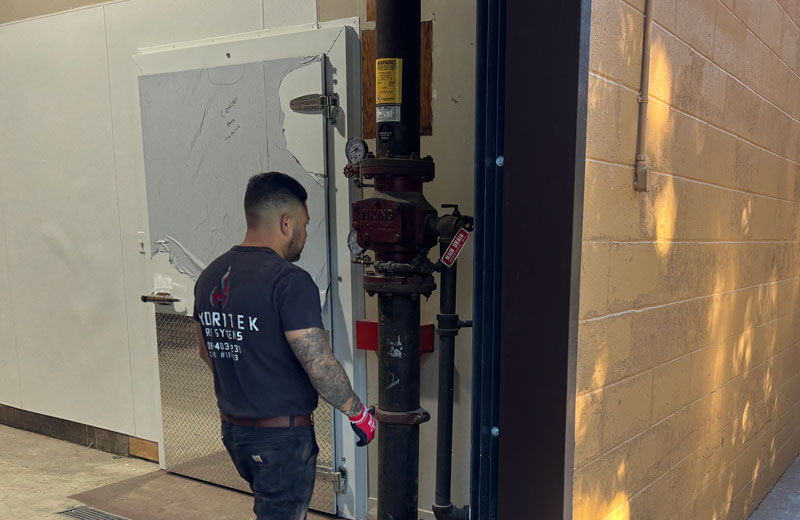
Common System Defects to Watch For
Between professional inspections, property staff can be alert for these frequent issues that compromise system readiness.
1. Obstructed or Damaged Sprinkler Heads
This is a prevalent defect in occupied units. Residents may hang decorations, install shelves, or stack storage that blocks the spray pattern. Paint overspray during unit turnovers can also coat and insulate fusible elements. Physical damage from moving furniture is another common risk. Any head that is corroded, leaking, or bent should be addressed immediately by a professional.
2. Impaired Water Supply: Closed or Obstructed Valves
The most catastrophic failure is a closed control valve. Valves can be inadvertently closed during maintenance or by unauthorized personnel. Post-indicator valves (PIVs) outside buildings can become obstructed by landscaping. Regular weekly checks are crucial. Similarly, fire department connections (FDCs) can become blocked by overgrown shrubs, parked cars, or debris.
3. Corrosion and Scale Buildup
Over time, minerals in the water can deposit as scale, and oxygen can cause corrosion, especially in stagnant pipe branches or dry systems. This reduces pipe diameter (restricting water flow) and can create leaks. In severe cases, corrosion can fuse sprinkler heads shut. Discolored water during drain tests or pin-hole leaks are early warning signs.
4. Problematic System Modifications
Unauthorized modifications, such as capping a sprinkler head in a renovated area without proper permits and professional work, create unprotected zones. All system alterations must be performed by licensed contractors like Hydrotek and approved by the local Authority Having Jurisdiction (AHJ).
5. Inadequate Maintenance Records
While not a physical defect, poor record-keeping is a systemic flaw. A complete log of all inspections, tests, maintenance, and modifications is required by NFPA 25 and is vital for insurance, liability, and resale purposes. It provides a system’s life history and proof of due diligence.
Answers to Common Client Questions
Who is responsible for the sprinkler system inspection?
The property owner or their designated agent (management company) holds the ultimate legal responsibility for ensuring the system is inspected, tested, and maintained according to code. This responsibility is typically delegated to a qualified fire protection contractor like Hydrotek.
Can our maintenance staff perform the inspections?
Building staff can and should perform the weekly and monthly visual checks (valve position, gauge readings). However, all quarterly, annual, and periodic testing must be performed by qualified personnel as defined by NFPA 25, possessing the necessary tools, knowledge, and certification.
What happens if we miss an inspection?
Non-compliance can lead to violations from the local fire marshal, fines, and increased liability. Most critically, it jeopardizes resident safety. Furthermore, insurance providers may deny a claim or even cancel coverage if proper maintenance records cannot be produced.
Why do we need internal pipe inspections?
External appearances can be deceiving. Corrosion and scale occur inside the pipes. An internal inspection, often using a borescope, is the only way to assess this hidden threat that can lead to sudden blockages or failures.
How can Hydrotek help us stay compliant and proactive?
Hydrotek offers scheduled, automated inspection programs tailored to your property’s specific needs. We manage the entire compliance calendar, provide detailed digital reports with photos, flag deficiencies, and perform all necessary repairs. We act as your single point of contact for all fire sprinkler needs, ensuring nothing is overlooked.
A fire sprinkler system is an investment in life safety that only pays dividends if it is fully functional. Adherence to NFPA 25 inspection frequencies is the blueprint for reliability, and vigilance against common defects is the daily practice. By partnering with a dedicated professional service provider like Hydrotek Fire Systems LLC, apartment owners and managers can transform a complex regulatory requirement into a streamlined, effective component of their property management strategy, ensuring a safer environment for every resident.