

Apartment Sprinkler Inspection Mandatory Rules and Preparation Tips for Building Managers
Ensuring the safety of residents is the paramount responsibility of any apartment building manager. At the heart of this duty lies a critical, non-negotiable system: the fire sprinkler system. Regular, professional inspection and maintenance are not just best practices; they are legal requirements enforced by codes such as NFPA 25 (Standard for the Inspection, Testing, and Maintenance of Water-Based Fire Protection Systems). This article outlines the mandatory rules governing these inspections and provides actionable preparation tips for building managers, with insights from Hydrotek Fire Systems LLC, your trusted partner in fire protection.
Understanding the Mandatory Rules: NFPA 25 and Local Codes
Compliance begins with understanding the “why” and “how often.” The benchmark standard is NFPA 25, which provides a comprehensive schedule for inspecting, testing, and maintaining every component of your water-based fire protection system.
Key Inspection Frequencies (Per NFPA 25)
Weekly/Monthly Inspections: Visual checks of system valves (e.g., control valves, alarm valves) to ensure they are in the correct “open” or “normal” position. Building staff can often perform these.
Quarterly Inspections: Includes inspecting waterflow alarm devices, valve supervisory switches, and gauges. This typically requires a professional.
Annual Inspections: A comprehensive review. This includes inspecting all sprinkler heads for damage, corrosion, or obstruction; checking pipe hangers and bracing; and conducting a main drain test to assess water supply condition and piping integrity.
5-Year Internal Inspection: A crucial mandate involving the examination of a representative sample of sprinkler pipes internally for corrosion or blockages. This is a specialized task for professionals like Hydrotek.
Other Periodic Tests: Includes testing fire pumps (weekly, monthly, annually), backflow prevention devices (annually), and antifreeze solutions (annually).
Local and state fire codes, as well as insurance provider requirements, can be even more stringent. Non-compliance can result in hefty fines, invalidated insurance policies, and, most gravely, catastrophic system failure during a fire.
Essential Preparation Tips for a Smooth Inspection
Preparation is key to an efficient, minimally disruptive, and successful inspection. Proactive managers follow these steps.
1. Schedule with a Certified Provider in Advance
Don’t wait for the deadline. Schedule your annual or 5-year inspection well ahead of time with a licensed, certified, and experienced provider like Hydrotek Fire Systems LLC. This ensures you get a slot that works for your building’s schedule.
2. Review Previous Reports and Correct Deficiencies
Pull the last inspection report. Any previously noted deficiencies (e.g., a valve that was blocked, a missing sprinkler head guard) must be corrected before the new inspection. Inspectors will check these first.
3. Notify Residents Thoroughly and Clearly
Transparent communication is vital. Provide residents with ample notice (at least 72 hours) detailing:
The date and estimated timeframe of the inspection.
Areas affected (e.g., “inspectors will need access to all mechanical rooms and may enter individual units in Section A”).
What to expect (e.g., temporary alarm sounds during waterflow tests, possible brief water pressure fluctuations).
A contact person (like yourself or the super) for questions.
4. Ensure Full Access for Inspectors
On inspection day, ensure inspectors have immediate and unobstructed access to all critical areas:
Fire sprinkler control valves (often in locked rooms or behind panels).
Riser rooms, mechanical rooms, and attic spaces.
A representative sample of apartment units (if required for internal inspection). Coordinate access with willing residents or use master keys as per policy.
All documentation, including as-built system drawings, previous reports, and maintenance logs.
5. Assign a Building Representative to Accompany Inspectors
A knowledgeable staff member (superintendent or chief engineer) should escort the inspectors. This person can answer location-specific questions, provide immediate access, and learn firsthand about any issues discovered.
6. Plan for System Impairments
Certain tests, like the main drain test, may temporarily impair the system. NFPA 25 requires a “Fire Watch” during any planned impairment. Have staff trained and ready to patrol the building if needed, and notify the local fire department as required by code.
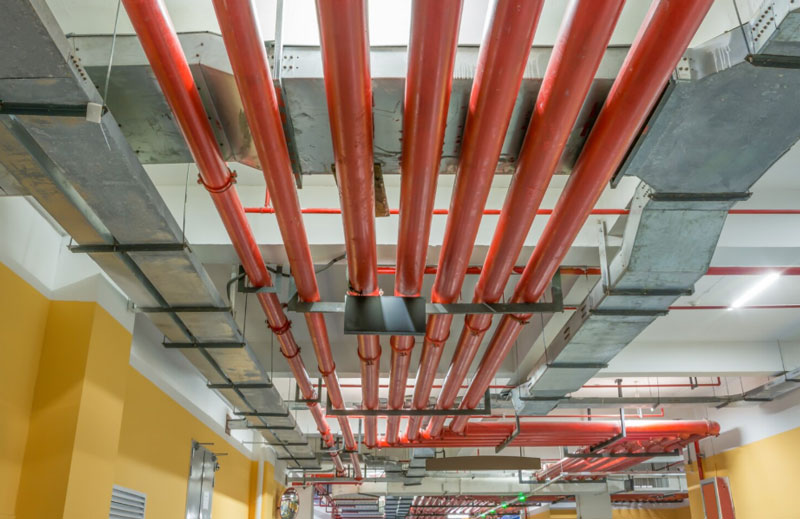
Service Provider Spotlight: Hydrotek Fire Systems LLC
Hydrotek Fire Systems LLC is a premier provider of fire protection inspection, testing, and maintenance services for multi-family residential properties. With decades of experience and NICET-certified technicians, Hydrotek specializes in navigating the complexities of NFPA 25 for apartment buildings. We don’t just perform checklist inspections; we provide comprehensive assessments, clear documentation, and proactive recommendations to keep your system—and your residents—safe. Our services are designed to minimize disruption while maximizing compliance and system reliability.
Addressing Common Client Questions
Building managers often have recurring concerns. Here are clear answers:
“The inspection found minor corrosion on a pipe in the attic. Is this urgent?”
Any corrosion is a concern. While surface rust might be monitored, active, pitting corrosion can weaken pipes and lead to leaks or failure. Hydrotek’s experts will assess the severity and recommend immediate repair or schedule for the next maintenance cycle, ensuring you understand the risk level.
“Why do you need to enter apartments? It inconveniences residents.”
The 5-year internal inspection mandate requires checking pipes in occupied spaces, as corrosion often starts here due to environmental factors. We work closely with management to schedule this efficiently, often inspecting vacant units or a small, pre-arranged sample to minimize intrusion.
“Can’t my maintenance staff handle the quarterly tests?”
While staff can perform visual weekly checks, quarterly and annual tests require specialized knowledge, calibrated equipment, and certification to ensure they are done correctly and documented for authorities. Improper testing can damage the system or provide a false sense of security.
“What happens if we fail the inspection?”
A professional inspection isn’t a “pass/fail” exam; it’s a diagnostic report. Hydrotek provides a detailed list of “deficiencies” or necessary actions. We then provide clear repair estimates and work with you to prioritize and schedule corrections, bringing your system into full compliance.
By understanding the mandatory rules and implementing these preparation tips, apartment building managers transform a regulatory obligation into a powerful pillar of resident safety and asset protection. Partnering with a reliable expert like Hydrotek Fire Systems LLC ensures this critical process is seamless, compliant, and effective, safeguarding your property and the lives within it.