
Backflow tester near me Lodi commercial and residential testing differences
Backflow prevention is an important part of protecting the local drinking water supply, but many property owners are unsure whether residential and commercial backflow testing are handled in the same way. If you are searching for a “backflow tester near me” in Lodi, understanding the differences can help you prepare for testing, choose the appropriate service, and keep your water system properly protected.
The basic purpose of backflow testing is the same for both residential and commercial properties. A certified tester checks the backflow prevention assembly to make sure it is operating as designed and preventing potentially contaminated or non-potable water from flowing backward into the potable water system. However, the type of property, water connections, equipment, hazard level, and reporting requirements can make the actual testing process different.
For Lodi property owners, this distinction is particularly useful because the City of Lodi maintains a backflow prevention program designed to protect the public water supply from contamination or pollution caused by backflow or back-siphonage. The city also provides a certified tester list and states that test reports are not accepted from testers who are not on its certified list.
Why Backflow Testing Matters For Lodi Properties
Backflow can occur when changes in water pressure cause water to move in the opposite direction from its normal flow. Irrigation systems, fire protection systems, pools, commercial equipment, and other connections can create conditions where additional protection is needed.
A backflow prevention assembly provides a physical barrier designed to protect potable water. Regular testing helps confirm that the internal components are functioning correctly and that the assembly continues to provide the required level of protection.
For homeowners, this can be an important part of maintaining an irrigation or other protected water connection. For commercial property owners, the process can involve more complex water systems and multiple assemblies.
Lodi’s municipal requirements provide for annual testing of approved backflow prevention assemblies by a certified tester. The city code also places responsibility for scheduling the testing and reporting the results with the customer.
Residential Backflow Testing In Lodi
Residential testing is generally associated with individual homes, irrigation systems, pools, landscaping water connections, or other equipment that may require backflow protection.
A homeowner may receive a testing notice or may need to arrange testing based on the property’s water connection and the requirements of the applicable water authority. Before scheduling an appointment, it is useful to identify the location and type of backflow prevention assembly installed at the property.
Residential testing is often more straightforward because a single-family property typically has fewer water connections than a commercial building. However, simpler does not mean that the assembly can be ignored. The tester still needs to inspect and test the appropriate components according to the applicable requirements.
Homeowners should also make sure the tester is properly certified and authorized for the local jurisdiction. In Lodi, the city specifically maintains a certified tester list, so checking whether the tester is accepted by the city is an important step before scheduling service.
Keeping the test documentation is also a practical habit. A homeowner may need the record later when responding to a city or water-service notice, maintaining property records, or preparing for future testing.
Commercial Backflow Testing Requires More Attention To System Details
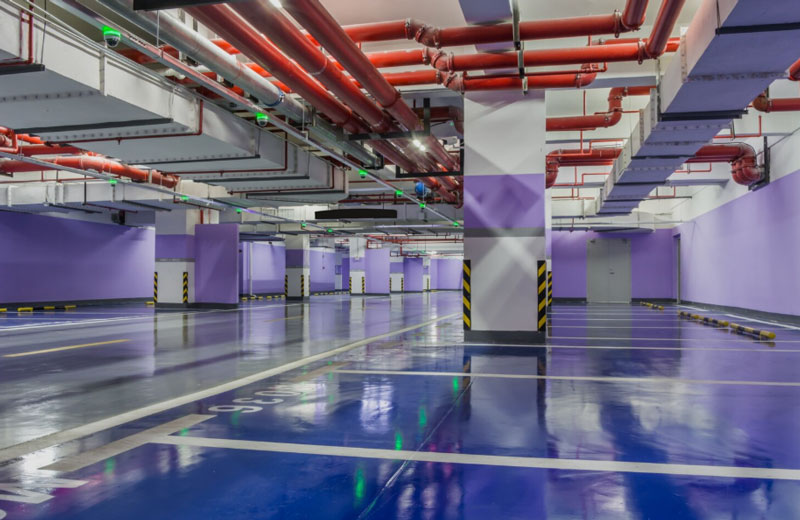
Commercial properties can have considerably more complicated water systems. Restaurants, offices, retail buildings, warehouses, industrial facilities, apartment properties, and other commercial sites may have several types of water connections.
A commercial property may have domestic water, irrigation, fire protection, process water, or other specialized connections. The required backflow protection depends on the connection and potential hazard involved. Lodi’s published design standards identify different backflow assemblies, including double check valve assemblies and reduced pressure backflow assemblies, depending on the system and classification.
This means a commercial backflow tester needs to understand more than the test procedure itself. The tester should be able to identify the assembly, understand its application, perform the required test, document the results, and help the property owner understand whether additional service is appropriate.
Commercial property owners should also consider accessibility. Backflow assemblies need to remain accessible for testing and maintenance. If an assembly is hidden behind equipment, landscaping, storage, or other obstacles, arranging access before the appointment can make the testing process more efficient.
The Biggest Difference Is Usually The Water System
The most useful way to understand residential and commercial testing is to focus on the water system rather than simply the building type.
A single-family home may have one primary backflow assembly associated with irrigation or another protected connection. A commercial property may have several assemblies serving different systems. Each assembly may have different testing requirements depending on its application.
Commercial properties can also have more complex piping arrangements. Lodi’s design standards specifically address different service configurations and backflow protection requirements, while the city’s standard plans include both double check valve and reduced pressure backflow device assemblies.
For this reason, commercial owners and property managers should maintain a simple record of every backflow assembly on the property, including its location, type, testing history, and next expected testing date.
What A Professional Backflow Test Usually Involves
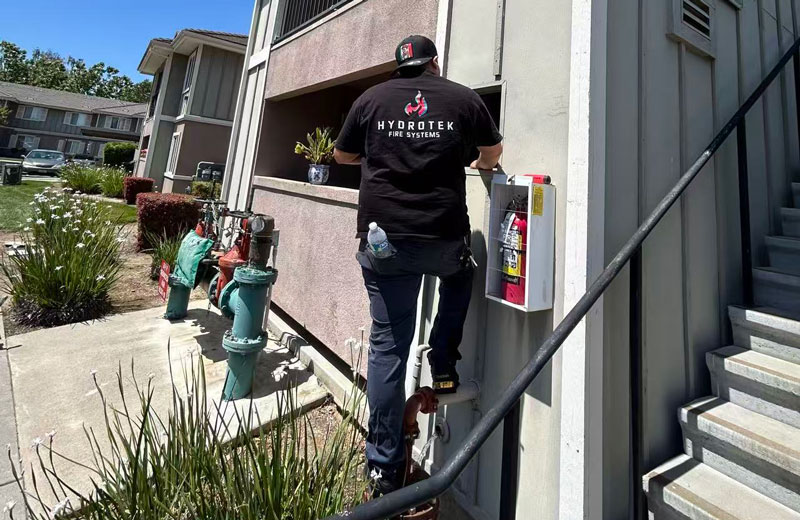
A professional test generally begins with identifying the backflow prevention assembly and confirming that the tester can safely access it.
The tester then evaluates the assembly according to the appropriate testing procedure. Depending on the type of device, this can include checking the operation of internal check valves and pressure-related components. The tester records the results and determines whether the assembly is providing the required protection.
If the assembly requires additional service, the property owner should receive clear information about what was identified and what type of work may be appropriate.
California’s plumbing requirements provide that backflow prevention assemblies are to be tested by a certified backflow assembly tester at installation, repair, or relocation and at least annually thereafter, unless the authority having jurisdiction requires more frequent testing.
The goal is not simply to complete a test form. It is to confirm that the protective assembly remains functional and that the property’s water connection continues to receive appropriate protection.
Choosing A Backflow Tester Near You In Lodi
When searching for a local backflow tester, convenience is useful, but certification and local acceptance should be the first considerations.
Start by checking whether the tester is included on the City of Lodi’s certified tester list. This helps ensure that the resulting documentation can meet the city’s requirements.
Next, ask whether the tester has experience with your specific assembly. Residential irrigation assemblies and commercial fire service or specialized water connections can require different levels of knowledge and testing procedures.
It is also helpful to confirm what documentation will be provided after testing and whether the tester can assist with submitting the required report to the appropriate water authority.
For Lodi property owners who want testing together with broader fire protection support, Hydrotek Fire Systems provides backflow prevention and testing services, including annual testing, certification, installation, repair, and replacement support. Its service information also describes testing and certification for fire service lines, domestic water connections, and irrigation systems.
Preparing For Residential Or Commercial Testing
A little preparation can make the appointment easier.
For residential properties, make sure the tester can reach the backflow assembly. Remove temporary obstacles such as stored items, garden equipment, or landscaping materials around the testing location. Keep previous testing records available if possible.
For commercial properties, property managers should identify all known assemblies before the appointment. If the building has multiple tenants, coordinate access so the tester can reach every required location. It is also useful to have previous test reports, equipment information, and water-system records available.
If a commercial property has several locations or multiple assemblies, maintaining a centralized testing calendar can help property managers organize annual requirements more efficiently.
Annual Testing Should Be Part Of Property Maintenance
Backflow testing should not be treated as an isolated paperwork task. It is part of responsible water-system maintenance.
For homeowners, annual testing can help confirm that an installed protection assembly continues to function as intended. For commercial owners, regular testing provides a practical way to monitor multiple water connections and maintain organized compliance records.
Lodi’s backflow prevention program is specifically intended to protect the public potable water supply, making proper testing an important part of local water-system protection.
Whether you own a home, manage an apartment property, operate a retail location, or oversee a larger commercial facility, the right backflow tester should understand the property’s specific water system and local testing requirements.
Find The Right Backflow Testing Service In Lodi
The phrase “backflow tester near me” may sound like a simple local-service search, but choosing the right tester involves more than finding the closest company. Certification, local acceptance, experience with the installed assembly, accurate documentation, and an understanding of the property’s water system all matter.
Residential and commercial testing share the same fundamental goal: verifying that the backflow prevention assembly provides appropriate protection for the potable water supply. The main difference is usually the complexity and number of water connections involved.
For Lodi property owners, confirming local requirements before scheduling service is a practical first step. The City of Lodi provides information about its backflow prevention program and certified testers, while professional providers such as Hydrotek can support property owners with testing, certification, and related backflow services.
By keeping testing on schedule and maintaining accurate records, homeowners and commercial property managers can make backflow prevention a straightforward part of regular property maintenance while helping protect the quality of the local drinking water supply.