
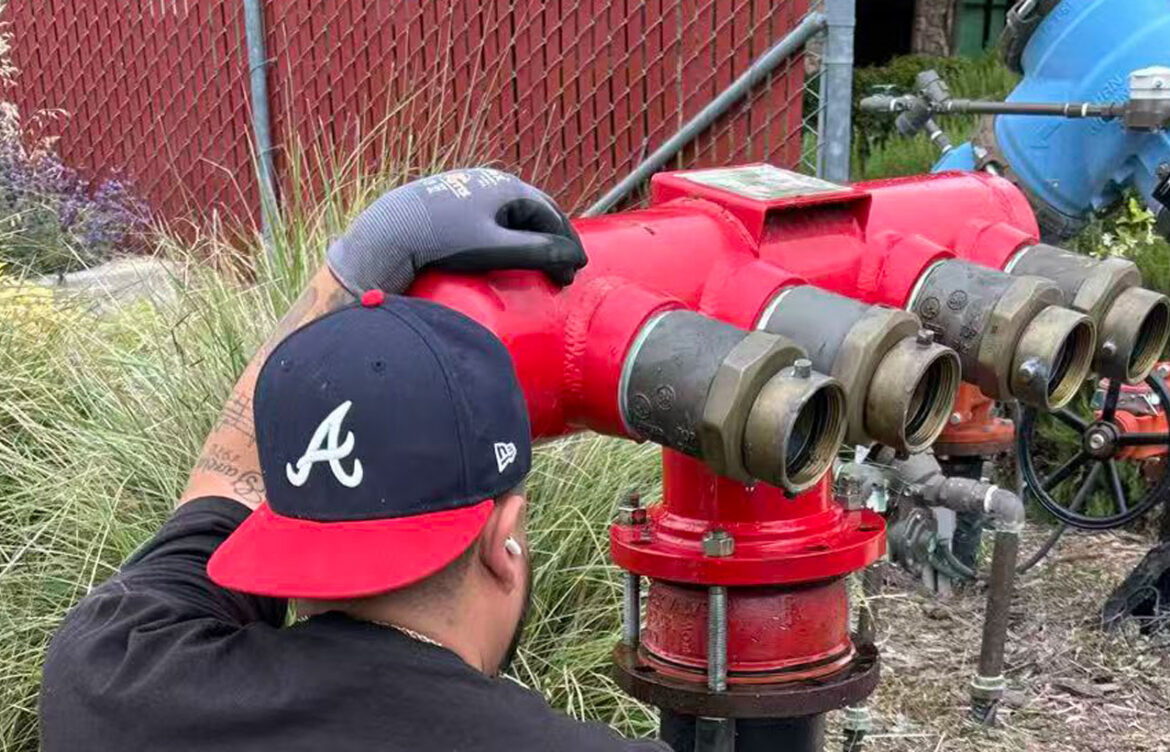
California Fire Sprinkler Inspection Requirements Essential Rules for Property Owners
For property owners across California, understanding and adhering to the state’s fire sprinkler inspection requirements is not merely a regulatory obligation—it is a critical component of safeguarding lives, protecting investments, and ensuring business continuity. The Golden State’s stringent fire codes, primarily the California Fire Code (CFC) and local amendments, mandate regular inspection, testing, and maintenance (ITM) of automatic fire sprinkler systems. Non-compliance can result in severe penalties, voided insurance policies, and, most importantly, catastrophic failure during an emergency. This article outlines the essential rules every property owner must know and introduces Hydrotek Fire Systems LLC, your trusted partner in ensuring compliance and safety.
Understanding the Regulatory Framework
The backbone of California’s requirements is the California Fire Code, which incorporates standards from the National Fire Protection Association (NFPA), specifically NFPA 25: Standard for the Inspection, Testing, and Maintenance of Water-Based Fire Protection Systems. Local fire departments and authorities having jurisdiction (AHJs) may enforce additional or more frequent requirements.
Core Inspection Frequencies (NFPA 25)
The following are minimum mandated frequencies. Your AHJ or specific system conditions may require more frequent checks.
Weekly/Monthly: Visual inspections of system control valves to ensure they are open, accessible, and free from damage. Monitoring alarms and gauges are also checked.
Quarterly: Inspection and testing of water flow alarm devices, valve supervisory switches, and control valves.
Annually: A comprehensive inspection of all system components, including:
Physical inspection of sprinkler heads for corrosion, damage, or obstruction.
Testing of main drain and inspector’s test connections.
Inspection of piping and fittings for leaks or mechanical damage.
Verification of spare sprinkler head inventory and wrenches.
5-Year Internal Inspection: For certain systems, an internal inspection of piping to check for obstructions or corrosion is required. This is a critical procedure that often requires specialized equipment and expertise.
Other Periodic Tests: Additional tests, such as fire pump tests (weekly and annual) and backflow prevention device tests (annually in many jurisdictions), are also mandated.
Essential Rules for Property Owners
Rule 1: Know Your System and Its Specific Requirements
Not all sprinkler systems are the same. Whether you have a wet-pipe, dry-pipe, pre-action, or deluge system dictates specific testing protocols. Obtain your system’s original documentation and a recent inspection report to understand its unique needs.
Rule 2: Hire a Qualified, Licensed, and Insured Contractor
California law requires that fire protection work be performed by contractors holding the appropriate C-16 Fire Protection license. Always verify your service provider’s license and insurance. Unqualified work can render your system non-compliant and dangerous.
Rule 3: Maintain Detailed Records
The CFC and NFPA 25 require that records of all inspection, testing, and maintenance activities be maintained on the premises for a minimum of three years (often longer for specific tests). These records must be made available to the fire authority upon request. Proper documentation is your first line of defense in an audit or insurance review.
Rule 4: Address Deficiencies Immediately
An inspection is only valuable if corrective actions are taken. Any impairment or deficiency noted during an inspection must be corrected promptly. Systems with known impairments may require a “fire watch”—a costly and labor-intensive measure—until repairs are completed.
Rule 5: Coordinate with Your Local Fire Department
Proactively engage with your local fire prevention bureau. They can clarify local amendments, provide guidance, and are the ultimate authority on your property’s compliance. Scheduling a pre-inspection consultation can prevent surprises.
Rule 6: Understand the Consequences of Non-Compliance
Failing to comply can lead to:
Fines and citations from the fire department.
“Red-tagging” or orders to vacate the building until compliance is achieved.
Denial of insurance claims or cancellation of policies.
Civil and criminal liability in the event of a fire with loss of life or property.
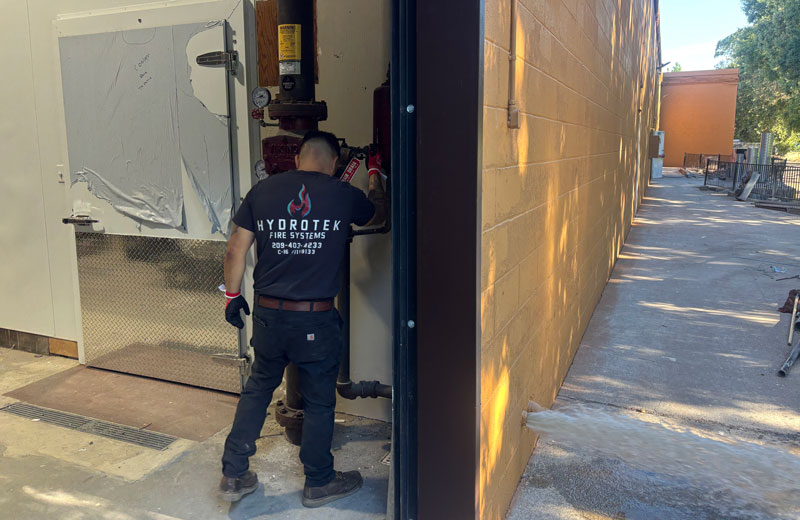
Your Trusted Partner: Hydrotek Fire Systems LLC
Navigating the complexities of California’s fire sprinkler requirements demands a partner with deep local expertise and unwavering commitment to safety. Hydrotek Fire Systems LLC has been that partner for commercial, industrial, and multi-family residential property owners throughout California for over two decades.
We are a fully licensed (C-16), bonded, and insured fire protection contractor. Our team of NICET-certified technicians specializes in the inspection, testing, maintenance, and repair of all types of water-based fire sprinkler systems. We don’t just perform tasks; we provide comprehensive compliance solutions. Our service includes meticulous documentation, proactive notification of upcoming required tests, and 24/7 emergency response to ensure your property remains protected at all times. At Hydrotek, we believe compliance is the baseline—our goal is to deliver peace of mind.
Client Common Questions Answered by Hydrotek
“How often do I REALLY need to have my sprinklers inspected?”
While the NFPA 25 frequencies are the legal minimum, we advise a proactive approach. We help clients implement a scheduled service program that covers weekly visual checks, quarterly tests, and the comprehensive annual inspection, ensuring no requirement is ever missed. Local ordinances may require more frequent checks, which we will identify for you.
“What happens during the annual inspection?”
Our certified technician will perform a thorough examination of every accessible component: checking sprinkler heads, testing water flow alarms and control valves, assessing pipe conditions, and verifying water supply pressure. We conclude with a full operational test of the system. A detailed report, noting any deficiencies and recommendations, is provided immediately.
“My building is old. Is my system still up to code?”
Existing systems are generally “grandfathered” under the code they were installed under, unless a major renovation or change in occupancy occurs. However, the ITM requirements of NFPA 25 still apply. Our inspectors are experts in historic and legacy systems and can advise on necessary upgrades for optimal safety while managing compliance.
“I received a violation notice from the fire department. What should I do?”
Contact Hydrotek immediately. We specialize in resolving compliance issues efficiently. We will assess the violation, provide a clear plan for correction, perform the necessary repairs or tests, and coordinate directly with the fire authority to close the violation, often saving you from fines or operational downtime.
“Can you help with the required documentation?”
Absolutely. Our digital service reports are comprehensive and designed to meet all AHJ and insurance requirements. We provide you with a permanent online portal where you can access your system’s complete service history, certificates, and reports anytime, simplifying audits and property transfers.
For California property owners, a proactive and knowledgeable approach to fire sprinkler inspection requirements is non-negotiable. By understanding the essential rules and partnering with a qualified, experienced service provider like Hydrotek Fire Systems LLC, you transform a regulatory duty into a powerful asset for risk management. Protect your property, your occupants, and your legacy by ensuring your fire sprinkler system is inspected, maintained, and ready to perform when every second counts.