
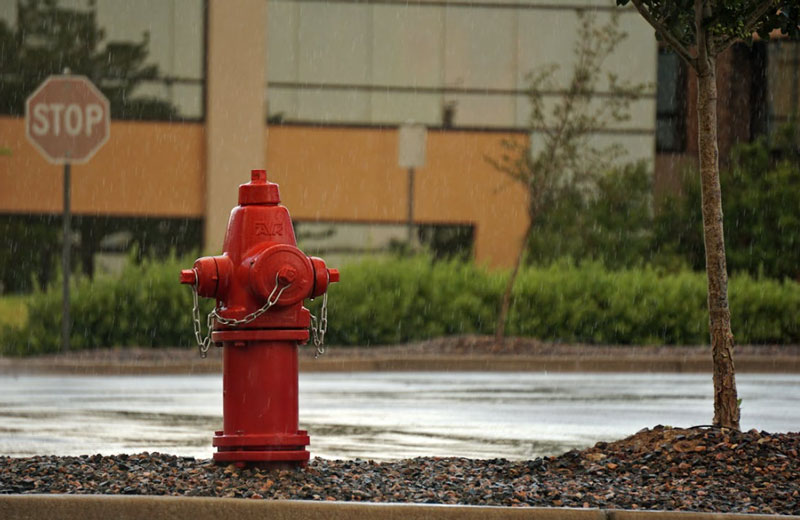
Common Fire Hydrants Repair Issues and Maintenance Solutions
Common Fire Hydrants Repair Issues and Maintenance Solutions
Fire hydrants are one of the most critical components of any commercial fire protection system. They provide firefighters with immediate access to water during emergencies, helping control fires before they cause extensive property damage or threaten lives. However, fire hydrants are constantly exposed to harsh environmental conditions, mechanical wear, underground pressure fluctuations, and accidental impacts. Without proper maintenance and timely repairs, hydrants can fail when they are needed most.
Understanding common fire hydrant repair issues and implementing preventive maintenance solutions is essential for property owners, facility managers, municipalities, and industrial operators. Regular inspections and professional servicing help ensure hydrants remain fully operational, code compliant, and ready for emergency use at all times.
Why Fire Hydrant Maintenance Is Important
Fire hydrants are often overlooked until an emergency occurs. A malfunctioning hydrant can significantly delay firefighting efforts and increase the severity of fire damage.
Ensuring Reliable Emergency Response
Firefighters rely on hydrants to deliver high-pressure water quickly during emergencies. If a hydrant leaks, fails to open, or lacks sufficient water flow, emergency response effectiveness can be severely compromised.
Maintaining Fire Code Compliance
Commercial properties and municipalities are required to maintain hydrants according to local regulations and fire safety standards. Failure to conduct inspections and repairs may result in compliance violations, fines, or insurance complications.
Preventing Expensive System Failures
Small maintenance problems can become major repair issues if ignored. Preventive servicing helps identify wear and damage early, reducing repair costs and extending hydrant lifespan.
Protecting Public Safety
Operational fire hydrants improve community safety by ensuring emergency crews have reliable access to water during fires, hazardous incidents, or large-scale emergencies.
Common Fire Hydrant Repair Issues
Fire hydrants operate under constant pressure and environmental exposure. Over time, mechanical components and underground connections may deteriorate.
Water Leaks Around the Hydrant
One of the most common hydrant issues is water leakage. Leaks may occur at the bonnet, nozzle caps, flange connections, or underground piping.
Common causes include:
- Worn gaskets or seals
- Corroded components
- Cracked hydrant barrels
- Loose bolts or fittings
- Damaged underground valves
Even minor leaks can waste significant amounts of water and reduce available pressure during emergencies.
Corrosion and Rust Damage
Hydrants are exposed to moisture, temperature changes, road salt, and chemicals that accelerate corrosion. Rust can weaken structural components and interfere with valve operation.
Corrosion commonly affects:
- Exterior surfaces
- Nozzle threads
- Internal valve assemblies
- Underground piping connections
- Drain systems
Routine inspections and protective coatings help reduce long-term corrosion risks.
Sticking or Difficult Operating Valves
Hydrant valves must open and close smoothly during emergencies. Over time, debris buildup, lack of lubrication, or mechanical wear may cause valves to stick.
Signs of valve problems include:
- Excessive resistance during operation
- Grinding sounds
- Incomplete opening or closing
- Delayed water flow
- Frozen operating mechanisms
Ignoring valve issues can lead to total hydrant failure during critical situations.
Low Water Pressure or Flow
Insufficient water flow reduces firefighting effectiveness and may indicate larger infrastructure issues.
Potential causes include:
- Underground pipe obstructions
- Closed or partially closed valves
- Sediment buildup
- Water main damage
- Internal hydrant deterioration
Flow testing helps identify pressure problems before emergencies occur.
Broken Nozzle Caps and Threads
Hydrant nozzle caps protect outlets from debris, contamination, and vandalism. Damaged caps or stripped threads can make hose connections difficult during emergency operations.
Common causes include:
- Vehicle impacts
- Improper handling
- Corrosion
- Overtightening
- Environmental exposure
Replacing damaged components promptly helps maintain hydrant accessibility.
Drainage Failures
Dry barrel hydrants rely on internal drainage systems to remove standing water after use. If drains become clogged, water may remain inside the hydrant and freeze during cold weather.
Drainage problems may result from:
- Sediment buildup
- Broken drain valves
- Debris accumulation
- Improper installation
Poor drainage increases the risk of freeze damage and cracked components.
Freeze Damage
In colder climates, hydrants are vulnerable to freezing if they do not drain properly. Frozen water can expand inside the hydrant, causing structural cracks or valve damage.
Freeze-related issues often affect:
- Internal barrels
- Valve assemblies
- Underground piping
- Drain systems
Winterization procedures and routine inspections are essential in freeze-prone regions.
Vehicle Collision Damage
Hydrants located near roads, parking lots, or loading areas are frequently damaged by vehicles. Even low-speed impacts can compromise underground connections or weaken hydrant stability.
Collision damage may include:
- Bent barrels
- Broken flanges
- Sheared bolts
- Underground pipe leaks
- Misaligned valves
Damaged hydrants should be inspected immediately after any impact.
Preventive Fire Hydrant Maintenance Solutions
Preventive maintenance is the most effective strategy for minimizing repairs and ensuring hydrants remain operational.
Routine Visual Inspections
Visual inspections help identify external damage before problems escalate.
Inspectors typically check for:
- Leaks
- Corrosion
- Missing caps
- Obstructions
- Paint deterioration
- Accessibility concerns
Hydrants should remain clearly visible and accessible to emergency crews at all times.
Annual Flow Testing
Flow testing measures hydrant water pressure and discharge capacity. This testing helps confirm that hydrants can supply adequate water during fire emergencies.
Flow testing also identifies:
- Underground restrictions
- Water main deficiencies
- Pressure fluctuations
- Internal component wear
Commercial facilities and municipalities often schedule annual flow tests as part of fire code compliance programs.
Valve Lubrication and Operation
Hydrant operating nuts and valve stems require regular lubrication to ensure smooth operation. Maintenance personnel should exercise hydrant valves periodically to prevent seizure and internal buildup.
Routine operation helps:
- Prevent mechanical sticking
- Remove sediment buildup
- Verify valve functionality
- Detect hidden damage
Flushing and Cleaning
Hydrant flushing removes sediment, rust particles, and debris from the system. Clean water flow improves hydrant performance and protects internal components.
Flushing also helps maintain water quality in municipal distribution systems.
Corrosion Protection
Protective coatings and repainting help prevent external corrosion. In highly corrosive environments, additional anti-corrosion measures may be necessary.
Corrosion prevention strategies include:
- Protective paint systems
- Cathodic protection
- Stainless steel components
- Regular surface cleaning
Winterization Procedures
In colder climates, winter preparation is essential for preventing freeze damage.
Winter maintenance may include:
- Drain inspections
- Water removal verification
- Valve testing
- Insulation measures
- Snow clearance around hydrants
Keeping hydrants accessible during snowstorms is also critical for emergency response.
Signs That a Fire Hydrant Needs Immediate Repair
Certain issues require urgent professional attention to prevent hydrant failure during emergencies.
Continuous Water Leakage
Persistent leakage may indicate internal valve failure or underground pipe damage that requires immediate repair.
Hydrant Instability
Loose or leaning hydrants could signal underground structural damage or weakened support systems.
Inability to Open or Close Properly
Hydrants that are difficult to operate may fail completely during emergencies.
Reduced Water Flow
Sudden pressure drops or weak discharge can indicate significant system problems requiring immediate investigation.
Visible Structural Damage
Cracks, dents, severe corrosion, or collision damage should never be ignored.
Professional Fire Hydrant Repair Services
Fire hydrant repair requires specialized tools, technical expertise, and knowledge of local fire safety regulations. Professional fire protection contractors can safely diagnose and repair both above-ground and underground hydrant issues.
Comprehensive Diagnostics
Experienced technicians use pressure testing, leak detection equipment, and internal inspections to identify hidden system problems.
Component Replacement
Damaged valves, gaskets, nozzles, caps, and underground fittings can often be replaced without requiring complete hydrant replacement.
Emergency Repair Services
Rapid response repair services help restore hydrant functionality after collisions, leaks, or mechanical failures.
Code Compliance Support
Professional contractors help ensure repairs meet all applicable fire safety standards and municipal regulations.
Long-Term Benefits of Regular Fire Hydrant Maintenance
Consistent maintenance delivers significant long-term advantages for commercial properties and municipalities.
Improved Fire Protection Reliability
Well-maintained hydrants perform more effectively during emergencies, supporting faster fire suppression.
Lower Repair Costs
Preventive maintenance reduces the likelihood of expensive emergency repairs or full hydrant replacement.
Extended Equipment Lifespan
Routine servicing helps maximize hydrant durability and operational life.
Enhanced Regulatory Compliance
Regular inspections and documented maintenance help properties maintain compliance with fire safety requirements.
Increased Public and Workplace Safety
Reliable hydrants contribute to safer communities, businesses, and industrial operations.
Fire hydrants are essential components of every commercial and municipal fire protection system. Over time, leaks, corrosion, valve failures, drainage issues, and physical damage can compromise hydrant performance and create serious safety risks.
Understanding common fire hydrant repair issues and implementing proactive maintenance solutions helps ensure reliable emergency water access when fires occur. Routine inspections, flow testing, lubrication, flushing, and professional repairs all play a critical role in maintaining hydrant performance and compliance.
By investing in preventive maintenance and timely repairs, property owners and facility managers can protect infrastructure, reduce operational risks, and ensure fire hydrants remain fully functional for years to come.