

Detailed Fire Safety Inspections in Brentwood CA Providing Formal Compliance Documents
In Brentwood, California, where a blend of suburban residential neighborhoods, expanding commercial districts, and industrial facilities shapes the local landscape, fire safety is not just a regulatory requirement—it is a community priority. The city enforces strict adherence to California Fire Code (CFC), Title 19, and local amendments, which demand that all commercial properties, multi-family dwellings, and public assembly spaces undergo regular, thorough fire safety inspections. However, a cursory walk-through rarely suffices. Property owners and facility managers need detailed inspections that leave no corner unchecked, and they require the resulting documentation to carry legal and insurance weight. This is where Hydrotek Fire Systems steps in, offering comprehensive inspection services that culminate in formal compliance documents—certified records that satisfy authorities having jurisdiction (AHJs), protect assets, and ensure continuous operation. This article explores the intricacies of detailed fire safety inspections in Brentwood, the critical role of formal compliance documentation, and how Hydrotek Fire Systems delivers both with unmatched expertise.
The Anatomy of a Detailed Fire Safety Inspection
A truly detailed fire safety inspection goes beyond checking smoke detectors and extinguisher expiration dates. It involves a systematic evaluation of every component within a fire protection system, aligned with NFPA standards and Brentwood’s specific fire code nuances. Hydrotek Fire Systems employs certified technicians who follow a rigorous multi-step protocol.
1. Comprehensive System Inventory and Visual Assessment
The inspection begins with a complete inventory of all fire safety equipment: fire alarm control panels, initiating devices (smoke, heat, and carbon monoxide detectors), notification appliances (horns, strobes, speakers), sprinkler systems (valves, pipes, heads, pressure gauges), standpipe systems, fire extinguishers of various classifications, emergency lighting, exit signs, and kitchen hood suppression systems. Each item is visually examined for physical damage, obstructions, improper placement, and signs of tampering. Technicians document the manufacturer, model, installation date, and last service record for every device. This baseline data becomes the foundation of the formal compliance document.
2. Operational Testing and Performance Verification
Visual checks alone cannot guarantee functionality. Hydrotek technicians perform live operational tests on a representative sample or the entire system, depending on code requirements. For fire alarm systems, this includes initiating a test signal from multiple devices to confirm that the control panel properly communicates with the monitoring station, activates evacuation signals, and triggers ancillary functions like door closure or elevator recall. Sprinkler systems undergo flow testing and trip testing of dry pipe or pre-action valves. Fire extinguishers are weighed, examined for pressure gauge accuracy (within the operating range), and inspected for the presence of hydrostatic test dates. Emergency lighting is tested for the required 30-minute or 90-minute duration under battery power. Each test result is recorded with pass/fail status and any corrective actions recommended.
3. Documentation Review and Code Compliance Verification
A detailed inspection is incomplete without reviewing the property’s existing fire safety documentation: previous inspection reports, system design drawings, as-built plans, maintenance logs, and permits. Hydrotek Fire Systems cross-references these with current Brentwood city codes and NFPA standards (such as NFPA 72 for alarms, NFPA 13 for sprinklers, and NFPA 10 for extinguishers). Discrepancies—such as outdated system layouts or missing permits—are flagged for immediate attention. This step ensures that the formal compliance document reflects not just physical conditions but also regulatory alignment.
4. Hazard Identification and Risk Assessment
Beyond equipment checks, technicians evaluate the building’s occupancy type, storage practices, potential fuel loads, and egress routes. For example, a restaurant with a deep-fryer requires a specific Class K extinguisher, while a warehouse storing flammable liquids needs additional suppression coverage. Hydrotek’s inspectors note any temporary or permanent changes in building use that may have created new hazards, and they provide recommendations for mitigation. This risk-informed approach elevates the inspection from a checklist to a true safety assessment.
Formal Compliance Documents: What They Are and Why You Need Them
A formal compliance document is more than a printed checklist. It is a certified, legally defensible record that demonstrates a property’s adherence to applicable fire codes at the time of inspection. Hydrotek Fire Systems produces these documents in accordance with industry best practices and AHJ requirements.
Key Components of Hydrotek’s Compliance Documents
Each report includes:
– Property and system identification: Building address, occupancy type, system manufacturer/serial numbers.
– Inspection scope and methodology: A clear description of what was tested and the standards applied.
– Detailed results: Pass/fail status, measurement readings (e.g., water pressure, extinguisher weight), and photographs of any deficiencies.
– Non-compliance items: Specific code citations (e.g., NFPA 72 Section 14.4.3.2) along with severity levels—critical, serious, or minor.
– Recommended corrective actions: Step-by-step guidance for remediation, prioritized by risk.
– Certification and signature: The report is signed by a Hydrotek technician holding relevant NICET or manufacturer certifications, and includes the company seal. This signature provides legal accountability and professional credibility.
Why Formal Compliance Documents Matter in Brentwood
First, regulatory compliance: Brentwood’s Building and Fire Department conducts periodic audits and may require these documents during plan checks, annual renewals, or after incidents. Without formal documentation, a property could face fines, operating restrictions, or even closure. Second, insurance requirements: Most commercial insurance policies mandate proof of annual fire safety inspections; a formal document speeds up claims processing and may reduce premiums. Third, liability protection: In case of a fire or injury, documented inspections prove diligence, shielding property owners from negligence claims. Fourth, property value: Comprehensive compliance records enhance a building’s marketability and facilitate smoother transactions during sales or lease negotiations.
Hydrotek Fire Systems: Expertise Tailored to Brentwood
As a locally recognized fire protection service provider, Hydrotek Fire Systems understands the unique challenges of the Brentwood market. The city’s growing infrastructure includes new residential complexes, retail centers, healthcare facilities, and industrial parks, each with specific fire safety demands. Hydrotek’s technicians undergo continuous training on the latest code amendments from the California State Fire Marshal and Contra Costa County standards. They also maintain familiarity with local fire marshal expectations, allowing for proactive communication and faster approval of compliance documents.
Seamless Process from Inspection to Document Delivery
Hydrotek’s service is designed for minimal disruption to business operations. Inspections are scheduled at mutually convenient times, often after hours for commercial kitchens or during low-traffic periods. Technicians use digital reporting tools, generating formal compliance documents within 48 hours of completion. Clients receive a PDF version via secure email or a physical copy if preferred. For properties found with deficiencies, Hydrotek offers follow-up re-inspections at a reduced fee, and their in-house repair team can address many issues on the spot—such as replacing damaged sprinkler heads, resetting alarm panels, or swapping expired extinguishers. This one-stop approach ensures that the final compliance document reflects a fully compliant system.
Case Example: Hydrotek’s Role in Brentwood’s Retail Sector
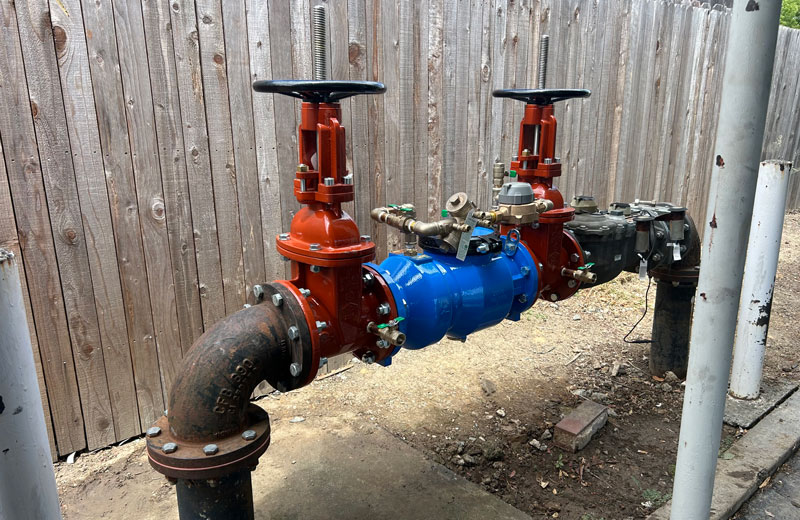
A large Brentwood shopping center recently faced a surprise AHJ inspection that revealed several expired extinguishers and a malfunctioning backflow preventer on the sprinkler system. The property manager turned to Hydrotek Fire Systems for an emergency detailed inspection. Within 24 hours, Hydrotek’s team conducted a full evaluation, identified all non-compliant items, performed immediate repairs on the extinguisher replacements and backflow valve adjustment, and delivered a formal compliance document with a manual signed certification. The document was accepted by the fire marshal, avoiding a potential stop-work order. This agility and thoroughness exemplify why Hydrotek is the preferred partner for Brentwood businesses.
Maintaining Ongoing Compliance: The Value of Annual Inspections
One detailed inspection is a starting point, not a finish line. Brentwood codes typically require annual inspections for fire alarm and sprinkler systems, semi-annual for kitchen suppression systems, and monthly visual inspections of fire extinguishers and exit lights. Hydrotek Fire Systems offers planned maintenance agreements (PMAs) that schedule all required inspections in advance, ensuring no deadline is missed. Formal compliance documents are updated after every inspection, creating a continuous audit trail. Property managers can access their document history through Hydrotek’s online portal, making it easy to share with insurers, tenants, or regulatory bodies at a moment’s notice.
Adapting to Code Updates
Fire codes evolve—the 2022 edition of NFPA 72 introduced new requirements for carbon monoxide detection integration, and California’s Title 24 has increased energy efficiency demands that affect emergency system design. Hydrotek’s technicians stay ahead of these changes, and their formal compliance documents automatically reference the most current codes. During annual inspections, they also provide a brief consultation on any upcoming code changes that may affect the property, giving clients time to budget and plan.
Invest in Safety, Invest in Peace of Mind
Detailed fire safety inspections in Brentwood, CA, are not optional for responsible property management—they are essential. But even the most thorough inspection loses value if the documentation is incomplete, informal, or unverifiable. Hydrotek Fire Systems bridges that gap by combining meticulous on-site evaluations with professionally produced formal compliance documents that meet the highest standards of accuracy, legality, and usability. Whether you own a small retail store, a multi-unit apartment complex, or a sprawling industrial facility, partnering with Hydrotek means your fire protection systems are not just inspected—they are certified. The result: regulatory confidence, reduced liability, and the ultimate peace of mind that comes from knowing your property and its occupants are truly safe. Contact Hydrotek Fire Systems today to schedule your next detailed inspection and receive the formal compliance document that protects your investment.