
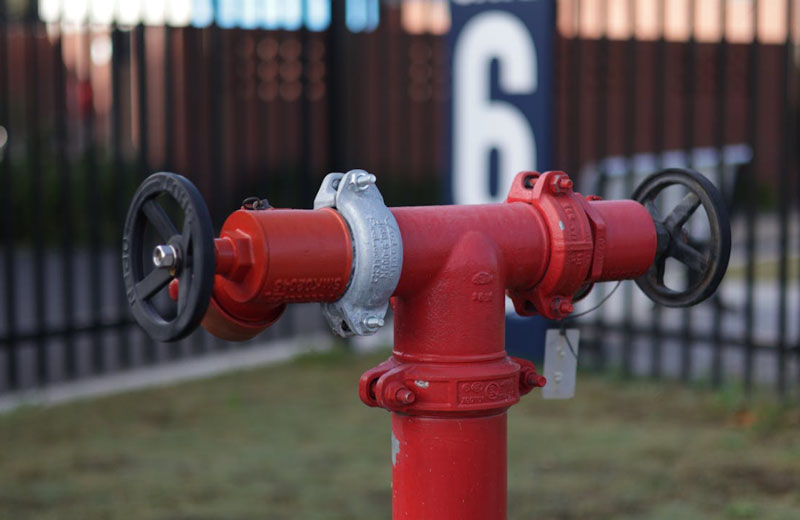
Fire Hydrants Installation Guide for Commercial Property Protection
Fire Hydrants Installation Guide for Commercial Property Protection
Fire protection is a critical component of every commercial property. Whether managing a warehouse, office building, retail center, industrial facility, or mixed-use development, property owners must ensure their fire suppression infrastructure is reliable and fully compliant with safety regulations. Among the most important elements of any fire protection system are fire hydrants.
Properly installed fire hydrants provide immediate water access for firefighters during emergencies, helping reduce property damage, protect occupants, and support faster fire suppression efforts. A professionally designed hydrant system can significantly improve emergency response capabilities while helping businesses meet local fire code requirements.
This guide explains the importance of commercial fire hydrants, installation considerations, system types, maintenance requirements, and best practices for long-term property protection.
Why Fire Hydrants Are Essential for Commercial Properties
Commercial properties face higher fire risks due to larger occupancy levels, electrical systems, machinery, storage materials, and continuous business operations. Fire hydrants serve as a direct connection to the water supply needed by emergency responders to control fires quickly.
Fast Emergency Water Access
During a fire emergency, rapid access to water is critical. Fire hydrants provide firefighters with an immediate and reliable source of high-pressure water to suppress flames before they spread throughout the property.
Protection for Large Facilities
Large commercial sites such as warehouses and industrial parks often require multiple hydrants strategically positioned throughout the property. Proper hydrant placement ensures emergency crews can access all areas efficiently.
Improved Fire Code Compliance
Most municipalities require commercial properties to install fire hydrants that meet specific spacing, water flow, and accessibility standards. Compliance helps businesses avoid penalties, insurance complications, and operational delays.
Reduced Property Damage
Quick fire suppression minimizes structural damage, inventory loss, and operational downtime. Properly installed hydrants help limit the financial impact of fire incidents.
Understanding Commercial Fire Hydrant Systems
Commercial fire hydrants are part of a larger fire protection infrastructure connected to underground water mains and fire suppression systems. Their design and configuration vary depending on the property type and fire risk level.
Wet Barrel Fire Hydrants
Wet barrel hydrants are commonly used in warmer climates where freezing temperatures are not a concern. Water remains inside the hydrant body at all times, allowing rapid access during emergencies.
Advantages include:
- Faster operation
- Easier maintenance access
- Multiple outlet functionality
- Reliable water flow performance
Dry Barrel Fire Hydrants
Dry barrel hydrants are designed for colder environments where freezing temperatures could damage traditional systems. Water remains below ground level until the hydrant is activated.
Benefits include:
- Freeze protection
- Longer service life in cold climates
- Reduced risk of pipe damage
- Reliable winter performance
Private Fire Hydrant Systems
Many commercial properties install private hydrant systems separate from municipal hydrants. These systems provide dedicated fire protection coverage for warehouses, industrial facilities, and large campuses.
Private hydrants are commonly connected to:
- Fire pumps
- Water storage tanks
- Underground fire mains
- Sprinkler systems
Key Factors in Fire Hydrant Installation
Proper installation requires careful planning, engineering, and compliance with local fire safety standards. Every commercial property has unique requirements based on occupancy type, building size, and operational hazards.
Site Evaluation and Risk Assessment
Before installation begins, fire protection specialists conduct a comprehensive site assessment to determine hydrant placement, water supply capacity, and emergency access requirements.
Factors evaluated include:
- Building size and layout
- Fire department access routes
- Water main availability
- Hazard classification
- Occupancy levels
- Storage materials and equipment
Hydrant Placement Requirements
Hydrants must be positioned to maximize accessibility during emergencies. Placement regulations vary by municipality but generally focus on ensuring fire crews can quickly connect hoses and access all sides of the building.
Common placement considerations include:
- Distance from buildings
- Clearance from obstructions
- Accessibility for emergency vehicles
- Hose connection efficiency
- Adequate spacing between hydrants
Water Supply Capacity
Commercial hydrants require sufficient water pressure and flow rates to support firefighting operations. Engineers calculate system demand based on building size, fire risk level, and suppression system requirements.
Inadequate water supply can compromise emergency response effectiveness, making hydraulic calculations essential during system design.
Underground Piping Installation
Hydrants connect to underground piping systems that transport water from municipal lines or private water supplies. Proper pipe installation ensures reliable water delivery and long-term durability.
Installation considerations include:
- Pipe material selection
- Corrosion resistance
- Burial depth
- Drainage systems
- Soil conditions
- Seismic requirements
Fire Hydrant Installation Process
Professional installation follows a structured process to ensure safety, compliance, and operational reliability.
Planning and Permitting
The installation process begins with system design, engineering approval, and permit acquisition. Local fire departments and building authorities often review hydrant plans before construction begins.
Excavation and Utility Coordination
Contractors excavate trenches for underground piping while coordinating with utility providers to avoid conflicts with existing infrastructure such as gas lines, electrical systems, and telecommunications cables.
Pipe and Valve Installation
Underground pipes, control valves, and hydrant assemblies are installed according to approved engineering specifications. Proper alignment and sealing are essential to prevent leaks and maintain water pressure.
Pressure Testing and Inspection
After installation, the system undergoes pressure testing, flow testing, and inspection to verify operational performance. Fire officials may inspect hydrants before approving system activation.
Final Commissioning
Once testing is complete, the hydrant system is commissioned and placed into service. Property managers receive maintenance guidelines and inspection schedules to ensure continued reliability.
Common Applications for Commercial Fire Hydrants
Fire hydrants are used across many industries and commercial property types.
Warehouses and Distribution Centers
Large storage facilities require extensive hydrant coverage due to high inventory loads and elevated fire risks.
Office Buildings
Office complexes use hydrants to support sprinkler systems and provide direct fire department access during emergencies.
Manufacturing Facilities
Industrial plants often require hydrants near hazardous processing areas, machinery zones, and outdoor storage yards.
Retail Shopping Centers
Retail properties benefit from strategically placed hydrants that support emergency response across large parking lots and multiple tenant spaces.
Educational and Healthcare Facilities
Schools, universities, hospitals, and medical centers require dependable fire protection systems to protect large occupant populations.
Fire Hydrant Maintenance and Inspection
Installation is only the beginning of effective fire protection. Regular maintenance is essential to ensure hydrants function properly during emergencies.
Routine Inspections
Hydrants should be inspected regularly for:
- Physical damage
- Corrosion
- Valve operation
- Water leaks
- Accessibility issues
- Missing caps or components
Flow Testing
Flow testing verifies adequate water pressure and flow capacity. Testing helps identify underground pipe restrictions or water supply problems before emergencies occur.
Lubrication and Repairs
Moving components such as operating nuts and valves require lubrication to prevent mechanical failure. Damaged parts should be repaired immediately to maintain system reliability.
Seasonal Maintenance
In colder regions, winterization procedures help prevent freezing damage. Hydrants should also be flushed periodically to remove sediment buildup.
Benefits of Professional Fire Hydrant Installation
Working with experienced fire protection professionals provides several long-term advantages for commercial property owners.
Regulatory Compliance
Professional installers understand local fire codes and NFPA standards, helping properties avoid compliance issues.
Enhanced Property Safety
Correct hydrant placement and system design improve emergency response efficiency and fire suppression effectiveness.
Lower Insurance Risks
Reliable fire protection systems may help reduce insurance risks and improve property insurability.
Long-Term System Reliability
Proper installation reduces the likelihood of leaks, pressure loss, and mechanical failures over time.
Choosing the Right Fire Protection Partner
Commercial fire hydrant installation requires expertise in engineering, code compliance, underground utility systems, and fire safety planning. Choosing a qualified fire protection contractor ensures systems are installed correctly and maintained properly.
Property owners should look for providers with experience in:
- Commercial fire protection
- Industrial facilities
- Hydrant system design
- Fire code compliance
- Inspection and maintenance services
- Emergency repair support
Fire hydrants play a vital role in protecting commercial properties from devastating fire damage. Proper installation ensures emergency responders have immediate access to the water supply needed to control fires quickly and effectively.
From warehouses and office buildings to manufacturing facilities and retail centers, every commercial property benefits from a professionally designed hydrant system tailored to its specific fire risks and operational needs.
Investing in high-quality fire hydrant installation, regular inspections, and ongoing maintenance helps businesses improve safety, maintain compliance, and protect valuable assets for the long term.