
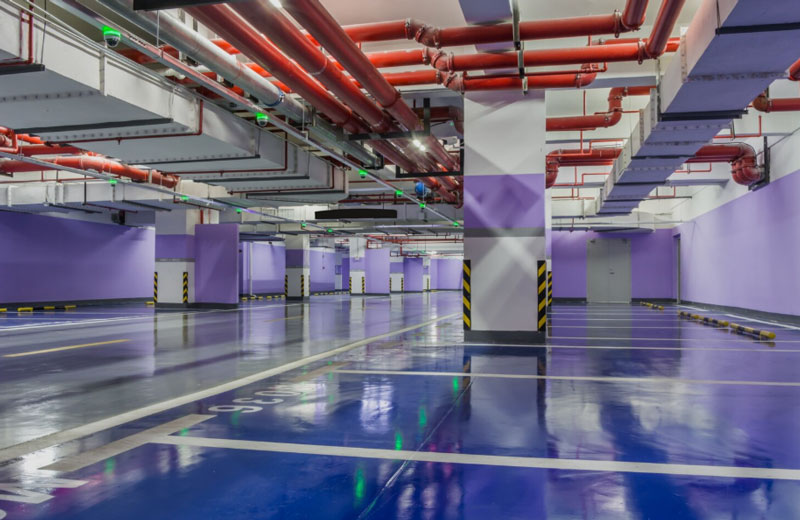
Fire Sprinkler Best Practices: Maximize Fire Safety Performance for All Premises
Fire sprinkler systems are one of the most important active fire protection measures for residential, commercial, industrial, and public buildings. When properly designed, installed, inspected, and maintained, an automatic sprinkler system can respond quickly to a developing fire and help control heat, smoke, and flames before the situation becomes more serious.
However, simply having sprinklers installed does not automatically guarantee reliable protection. The system needs regular attention throughout its service life. Property owners, facility managers, landlords, and business operators should understand how everyday decisions, maintenance routines, inspections, and professional servicing affect sprinkler performance.
Following practical fire sprinkler best practices can help protect people, property, business operations, and valuable assets.
Start With a Properly Designed Fire Sprinkler System
The foundation of effective sprinkler protection is an appropriate system design.
Every building has different characteristics. A family home, office, warehouse, restaurant, apartment building, and industrial facility may have different occupancy types, ceiling heights, storage arrangements, room layouts, and fire hazards.
The sprinkler system should therefore be designed according to the actual characteristics and fire protection requirements of the premises.
Sprinkler head locations, pipe arrangements, water supply, control valves, and system capacity all need to work together as part of a complete protection system.
For property owners planning a new building or renovation, discussing fire protection requirements with qualified professionals at the design stage can help prevent costly changes later.
Keep Sprinkler Heads Clear and Accessible
One of the simplest but most important maintenance practices is keeping sprinkler heads unobstructed.
Furniture, shelving, decorations, signs, storage materials, lighting fixtures, or other objects should not interfere with sprinkler discharge.
This is particularly important in warehouses, retail stores, offices, kitchens, garages, and storage rooms where the layout can change frequently.
Property managers should pay attention whenever furniture or equipment is relocated. A room that was correctly arranged when the sprinkler system was installed may require review after significant changes.
Keeping sprinkler heads visible and unobstructed is a simple daily safety measure that can support proper water distribution during an emergency.
Never Hang Items From Sprinkler Pipes or Heads
Sprinkler pipes and heads are functional components of a life safety system and should not be used as hanging supports.
People may be tempted to hang decorations, signs, cables, clothing, or other items from exposed sprinkler components. This should be avoided.
Physical interference can affect the system and may also create unnecessary risks of accidental damage.
Employees, residents, and maintenance personnel should understand that sprinkler equipment is not part of the building’s general storage or hanging infrastructure.
A simple workplace rule can help prevent avoidable problems: keep sprinkler equipment free from unauthorized attachments and physical interference.
Monitor Control Valves and System Accessibility
Control valves are essential to sprinkler system operation because they regulate water flow to protected areas.
They should remain accessible and clearly identifiable.
Property owners and facility managers should ensure that valves are not blocked by boxes, furniture, stored goods, or other materials.
Where the system includes supervisory or monitoring arrangements, these should also be maintained according to the applicable requirements.
A blocked or difficult-to-access valve can make emergency response and maintenance more complicated.
Keeping the area around system controls organized is therefore an important part of practical fire protection management.
Schedule Regular Inspection and Testing
Regular inspection and testing help identify developing issues before they affect system performance.
A sprinkler system contains many components, including pipes, valves, alarm devices, sprinkler heads, water supplies, and associated equipment. These components need appropriate attention throughout the system’s service life.
Inspection frequency and testing procedures depend on the type of system, building use, local requirements, and applicable fire protection standards.
Property owners should establish a documented inspection and testing schedule rather than relying on visual checks alone.
Professional fire sprinkler service providers can evaluate system components, identify maintenance requirements, and provide guidance based on the property’s specific conditions.
Pay Attention to Water Supply
Water is the essential operating resource for an automatic sprinkler system.
A system can only provide effective protection when the required water supply is available and the associated components are functioning correctly.
Changes to building water systems, plumbing modifications, renovations, new construction, or changes in occupancy can affect fire protection requirements.
Property managers should therefore consider the sprinkler system whenever significant building changes are planned.
If the building undergoes expansion or its use changes substantially, a professional assessment can help determine whether the existing fire protection system remains appropriate.
Maintain the Right Storage Arrangement
Storage practices can have a major influence on fire safety.
In commercial buildings, warehouses, retail facilities, and other properties, changes in storage height, product type, aisle configuration, and rack arrangement can alter the fire hazard.
Even when a sprinkler system was originally designed correctly, significant changes in storage conditions may require a professional review.
Facility managers should establish clear storage policies and ensure that employees understand required clearance around sprinkler heads.
Good housekeeping is not simply about keeping a building tidy. It is an important part of maintaining the conditions under which the fire protection system was designed to operate.
Keep the Building Layout Consistent With the Protection System
Renovations and interior modifications are common in commercial properties.
Walls may be added, rooms may be divided, ceilings may be changed, and new equipment may be installed.
These changes can influence sprinkler coverage.
For example, creating a new enclosed room or changing ceiling arrangements may alter how heat and smoke move through the space.
Before major renovation work begins, property owners should consider whether the sprinkler layout needs to be reviewed.
Including fire protection professionals early in the renovation process can help ensure that changes to the building do not unintentionally reduce the effectiveness of the sprinkler system.
Train Employees and Residents
Fire sprinkler protection works best when the people inside the building understand basic fire safety responsibilities.
Employees should know that sprinkler heads and system components must remain unobstructed and undamaged.
They should also understand basic emergency procedures, including evacuation routes and how to respond when a fire alarm activates.
For residential properties, landlords and property managers can provide residents with simple guidance about keeping sprinkler areas clear and reporting visible damage or unusual conditions.
Training does not need to be complicated. Clear instructions and regular reminders can create a stronger safety culture.
Respond Quickly to Visible Problems
Small signs of damage should not be ignored.
A damaged sprinkler head, leaking pipe, corrosion, unusual valve position, physical impact, or other visible issue should be reported promptly.
Property owners should avoid attempting complex repairs without appropriate knowledge and equipment.
Professional fire protection technicians can assess the issue and determine the appropriate corrective action.
Fast attention to maintenance concerns can help prevent a minor problem from becoming a larger operational issue.
Maintain Accurate Fire Protection Records
Good documentation is an important part of professional fire safety management.
Property owners and facility managers should retain relevant records for inspections, testing, maintenance, repairs, system modifications, and other fire protection activities.
Accurate records help demonstrate that the system is being managed responsibly and provide useful information for future maintenance.
Documentation can also help identify recurring maintenance requirements and make it easier for service professionals to understand the history of the installation.
For larger commercial properties, organized fire protection records should be treated as part of the overall facility management system.
Work With Qualified Fire Sprinkler Professionals
Professional support is valuable because sprinkler systems are technical life safety systems.
Qualified fire protection specialists can help with system design, installation, inspection, testing, maintenance, repairs, and upgrades.
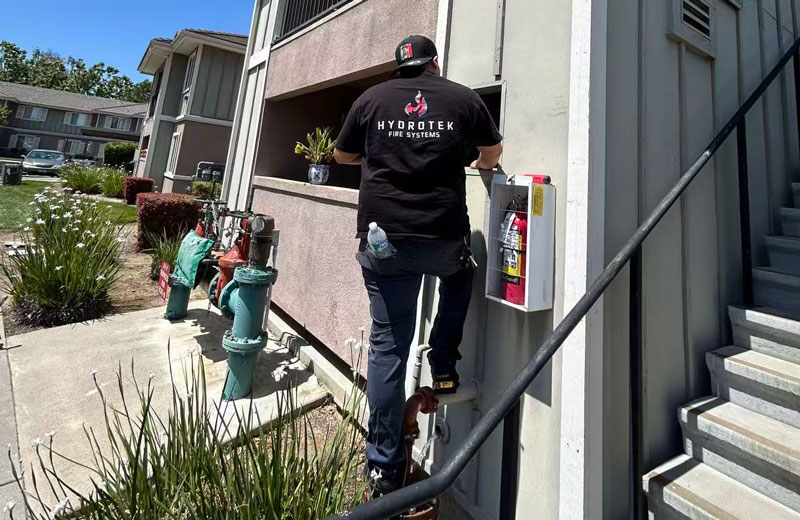
For property owners and facility managers in California, Hydrotek can be a useful partner for professional fire sprinkler services and ongoing system support.
Working with an experienced provider can make it easier to establish an appropriate inspection schedule, understand maintenance requirements, and address system needs as the property changes.
The goal is not simply to meet a checklist. It is to maintain a fire protection system that is ready to perform when it is needed.
Consider Fire Protection During Property Changes
Buildings evolve over time.
A business may add new equipment, increase storage capacity, change room layouts, expand operations, or convert previously unused areas into occupied spaces.
Residential properties can also undergo remodeling, additions, or changes in use.
Each significant change should prompt property owners to consider whether existing fire protection measures remain suitable.
Including sprinkler considerations in renovation and facility planning can help maintain consistent protection as the building develops.
Make Fire Safety Part of Everyday Property Management
Effective fire protection is not a once-a-year activity.
It is an ongoing responsibility involving inspection, maintenance, housekeeping, employee awareness, documentation, and professional support.
Small everyday actions can make a meaningful difference. Keeping sprinkler heads clear, maintaining access to valves, controlling storage arrangements, reporting visible problems, and completing scheduled inspections all contribute to a stronger fire safety environment.
For property owners, the most practical approach is to treat the sprinkler system as an essential building system rather than an item that only needs attention during an inspection.
Following fire sprinkler best practices can help property owners maximize fire safety performance across residential, commercial, industrial, and public premises.
A reliable sprinkler system depends on proper design, unobstructed sprinkler heads, accessible control valves, suitable storage practices, regular inspection and testing, accurate records, and timely professional maintenance.
As buildings change, fire protection requirements should also be reviewed to ensure that the sprinkler system continues to support the property’s actual use.
For property owners and facility managers seeking professional assistance, Hydrotek can provide fire sprinkler services designed to support ongoing system reliability and fire safety management.
The best fire protection strategy is one that is prepared before an emergency occurs. By making sprinkler maintenance and fire safety part of everyday property management, owners can create safer spaces and improve long-term protection for the people and assets inside.