
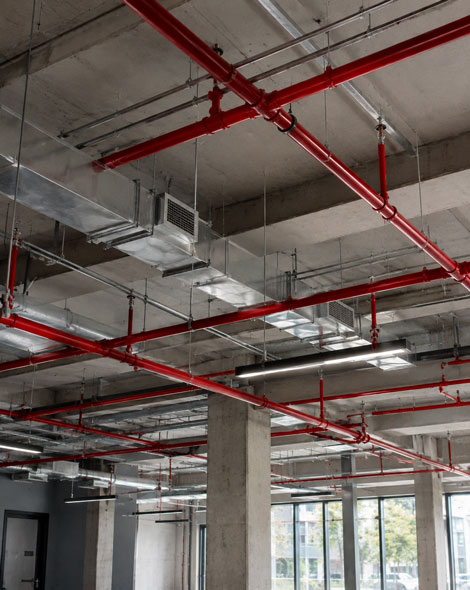
Fire Sprinkler Cost Considerations: Balance Safety Budget and Real Protection Needs
When planning a fire sprinkler system, cost is naturally one of the first concerns for homeowners, property managers, and business owners. However, the lowest initial price does not always represent the best value. A sprinkler system is a life safety investment, so the budget should be connected to the level of protection the building actually needs.
The right approach is to first understand the building, occupancy, fire risks, and local requirements, then develop a sprinkler solution that provides appropriate protection within a realistic budget.
For a homeowner, this may mean protecting bedrooms, living areas, kitchens, garages, and other important spaces. For a commercial property, the system may need to account for offices, storage areas, equipment rooms, customer spaces, or higher occupancy levels.
Understanding these differences makes it easier to create a practical fire sprinkler budget without overlooking important safety needs.
Building Size Has a Direct Effect on Sprinkler Cost
The size and layout of a property are major factors in determining the overall cost of a fire sprinkler system.
A larger building generally requires more sprinkler heads, piping, fittings, valves, and supporting equipment. However, floor area alone does not determine the final cost. The building layout also matters.
A property with many rooms, enclosed areas, high ceilings, or complex architectural features may require a more carefully planned sprinkler layout. Existing buildings can also have different installation considerations compared with new construction because piping may need to work around existing walls, ceilings, electrical systems, and mechanical equipment.
For this reason, property owners should request a site assessment rather than estimating the entire project based only on square footage.
Choose the System According to Real Fire Risks
A useful fire sprinkler budget should reflect the actual risks inside the building.
A residential property may have its highest fire risks around kitchens, heating equipment, garages, or electrical equipment. A commercial building may have different risks depending on its purpose and the materials stored inside.
Storage areas deserve particular attention because the quantity, arrangement, and type of stored materials can affect sprinkler design requirements.
The goal is not simply to install as many sprinklers as possible. The goal is to create a properly designed system that delivers suitable protection to the areas where fire can develop and spread.
A professional assessment can help property owners understand where their budget provides the greatest safety value.
Installation Is Only One Part of the Budget
When calculating fire sprinkler costs, it is important to look beyond the installation itself.
A complete budget may include design work, equipment, piping, sprinkler heads, valves, water supply considerations, testing, inspections, maintenance, and future service needs.
For an existing property, additional work may be required to integrate the sprinkler system into the current building structure. Ceiling access, pipe routing, water connections, and other site conditions can influence labor requirements.
Planning for these factors early can make the overall project easier to manage and reduce unexpected changes during installation.
Property owners should therefore compare complete project scopes rather than focusing on one line item in a quotation.
Regular Inspection Protects the Value of the System
Installing a fire sprinkler system is not the end of the responsibility. Regular inspection and maintenance help ensure that the system remains ready when it is needed.
Sprinkler heads can be affected by physical damage, painting, corrosion, obstruction, or changes in the surrounding space. Valves and other system components also need appropriate attention.
For property managers, scheduled inspections provide an opportunity to identify maintenance needs before they become larger concerns.
From a budgeting perspective, planned inspection and maintenance are easier to manage than waiting until a system requires urgent attention. More importantly, routine care supports the basic purpose of the sprinkler system, which is reliable fire protection.
Do Not Forget Local Requirements
Fire sprinkler requirements can vary according to location, building type, occupancy, construction characteristics, and applicable fire codes.
A property owner may have a clear idea of the system they want, but the final design should be evaluated against applicable requirements.
This is particularly important for commercial buildings, rental properties, renovations, and changes in building use. A renovation that changes room layouts or occupancy may also affect fire protection requirements.
Working with a qualified fire sprinkler professional can help property owners understand the requirements that apply to their specific project.
How to Build a Practical Fire Sprinkler Budget
A useful budget should separate essential protection needs from optional preferences.
Start by identifying the building type, total area, occupancy, major fire hazards, existing water supply, and areas requiring protection. Then determine whether the project involves a new installation, renovation, inspection, modification, or repair.
Next, ask the sprinkler provider to explain what is included in the proposed scope. This may include design, materials, installation, testing, inspection support, and ongoing maintenance.
It is also useful to consider future changes. If a business plans to expand storage, remodel interior spaces, or change building use, discussing these possibilities during the planning stage can help create a more adaptable solution.
The best budget is not necessarily the smallest number. It is the budget that supports appropriate protection while keeping long term ownership practical.
Hydrotek Can Help Property Owners Plan With Safety in Mind
For property owners who need professional guidance with fire sprinkler systems, Hydrotek can be a practical option to consider.
A professional sprinkler provider can help evaluate the property, understand the customer’s requirements, plan the appropriate system, and support inspection and maintenance needs.
This is especially valuable when property owners are unsure whether their existing system provides suitable coverage or when they are preparing for a new installation or building renovation.
Instead of making decisions based only on equipment prices, customers can discuss their building conditions and safety objectives with Hydrotek and develop a solution based on actual protection needs.
Spend the Budget Where It Creates Real Protection
Fire sprinkler costs should always be considered together with the value of life safety and property protection.
A sensible approach is to understand the building first, identify its real fire risks, confirm applicable requirements, and then choose a system that provides suitable coverage.
Good planning can help avoid unnecessary expenses while ensuring that important protection is not overlooked.
Whether the project involves a family home, rental property, office, warehouse, retail space, or another commercial building, the right fire sprinkler investment is one that provides dependable protection and remains manageable throughout the system’s service life.