
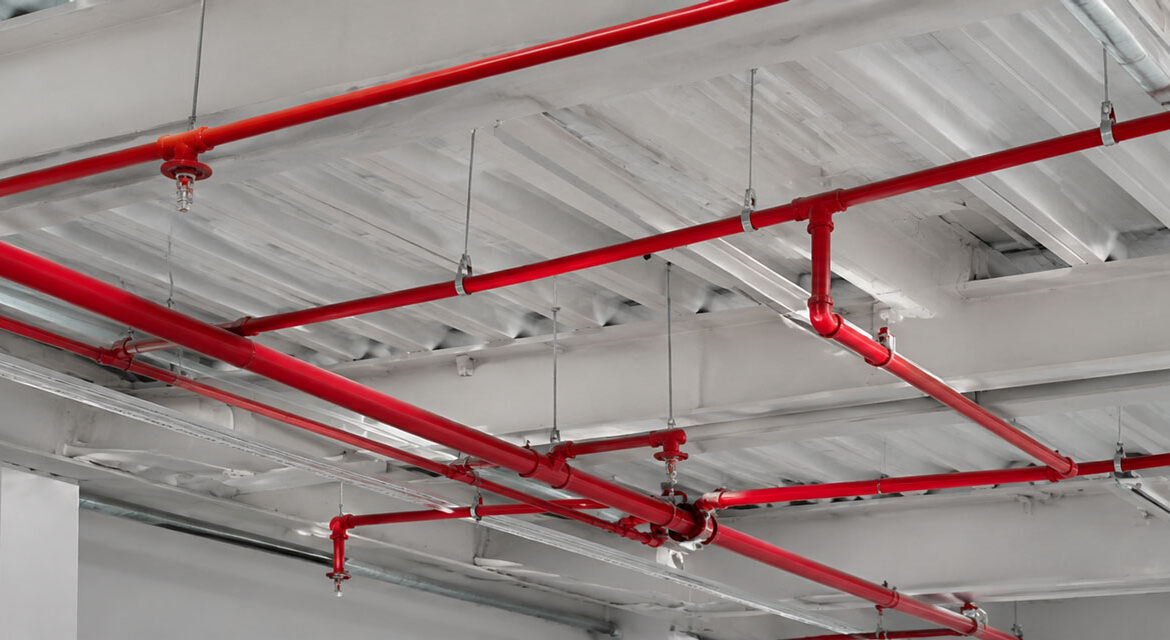
Fire Sprinkler Inspection: Avoid Penalties by Meeting Local Fire Codes
A fire sprinkler system is one of the most important safety systems in a commercial or residential property. When a fire occurs, properly maintained sprinklers can help control the spread of flames and provide valuable time for occupants to evacuate and for emergency responders to arrive.
However, simply having a sprinkler system installed does not mean a property automatically meets local fire safety requirements. Fire sprinkler systems need regular inspection, testing, maintenance, and documentation to remain ready for use and comply with applicable fire codes.
For property owners, landlords, facility managers, and business operators, fire sprinkler inspection should therefore be viewed as part of responsible property management rather than an administrative task.
Regular inspections can help identify maintenance needs early, keep required records organized, and reduce the risk of discovering compliance problems during an official inspection.
Understanding Local Fire Code Requirements
Fire safety requirements can vary depending on the property’s location, building type, occupancy, size, and sprinkler system design. Local authorities may establish inspection schedules and documentation requirements based on applicable fire codes and regulations.
This means property owners should not assume that a checklist used for another building or another jurisdiction will automatically apply to their property.
The best approach is to understand which requirements apply to the specific building and make sure the sprinkler inspection program follows those requirements.
For many properties, inspection and testing may involve sprinkler heads, control valves, alarm components, water supplies, piping, gauges, and other system components. The exact scope and frequency depend on the system and applicable requirements.
Keeping track of these obligations is particularly important for commercial buildings where multiple safety systems may need to be managed at the same time.
How Regular Inspection Helps Prevent Penalties
Fire code penalties are often associated with missed inspections, incomplete documentation, unresolved maintenance requirements, or systems that are not properly maintained.
A regular inspection program gives property managers an opportunity to identify these issues before they become larger compliance problems.
For example, an inspection may identify a valve that is not in the correct position, a damaged sprinkler component, an inaccessible control area, or an issue with system monitoring equipment.
Addressing these conditions promptly can help keep the system in a better state of readiness and demonstrate that the property is being actively managed for fire safety.
The goal of inspection is not simply to pass an authority visit. It is to make sure that the fire sprinkler system can perform its intended function when it is actually needed.
What Inspectors Look for During a Fire Sprinkler Inspection
A professional inspection generally involves more than simply looking at the sprinkler heads on the ceiling.
Depending on the property and system, inspection activities may include checking sprinkler heads for physical damage or obstruction, verifying valve conditions, examining gauges, reviewing alarm equipment, checking visible piping, and confirming that system components remain accessible.
The inspection may also identify changes within the building that could affect sprinkler coverage.
For example, storage arrangements may change over time. New partitions, suspended ceilings, equipment, shelving, or other building modifications can affect how a sprinkler system is expected to protect the space.
This is why regular inspection is valuable even when the sprinkler system itself appears unchanged.
Documentation Is an Important Part of Compliance
A properly maintained fire sprinkler system should have appropriate inspection and maintenance records.
Documentation allows property owners and facility managers to demonstrate when inspections were completed, what was checked, whether deficiencies were identified, and what corrective actions were taken.
Good records also make future inspections easier because technicians can understand the system’s history and identify recurring maintenance requirements.
Property managers should establish a consistent system for storing inspection reports, testing records, maintenance documentation, and corrective action information.
Digital recordkeeping can also make it easier to monitor upcoming inspection dates and ensure that important documents can be quickly located when needed.
Pay Attention to Changes in Your Building
One practical issue that property owners sometimes overlook is that buildings change over time.
A warehouse may add storage racks. A retail property may change its layout. An office may install new partitions. A commercial kitchen may add equipment.
These changes can affect the environment in which the sprinkler system operates.
Whenever a building is renovated, expanded, remodeled, or significantly reorganized, the fire protection system should be considered as part of the project planning process.
Property owners should work with qualified fire protection professionals to determine whether changes require additional evaluation, adjustment, or documentation.
Planning early can help avoid unnecessary compliance problems after construction is completed.
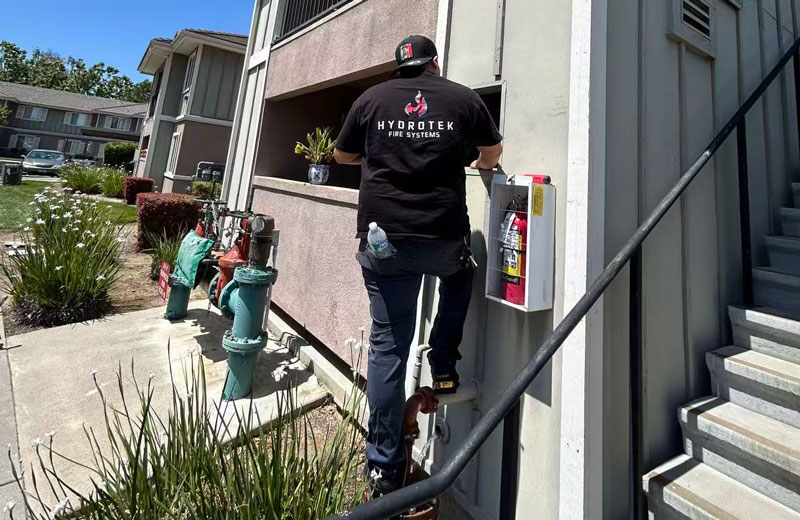
How Property Managers Can Build a Simple Inspection Routine
Managing fire sprinkler compliance does not have to be complicated if responsibilities are clearly organized.
Start by identifying all sprinkler systems and related fire protection equipment within the property. Create a calendar showing required inspections, tests, maintenance activities, and documentation deadlines.
Property managers should also keep contact information for qualified service providers readily available.
When an inspection is completed, record the date, inspection scope, findings, and any recommended corrective actions.
If a deficiency is identified, do not simply file the report and forget about it. Assign responsibility for corrective action and track the issue until it has been properly addressed.
This creates a repeatable process rather than relying on memory.
Choosing a Professional Fire Sprinkler Service Provider
The quality of an inspection depends heavily on the experience and capabilities of the service provider.
Property owners should look for a company that understands applicable fire protection requirements, follows established inspection procedures, provides clear documentation, and can explain identified conditions in practical terms.
For properties in California, Hydrotek Fire Systems can be considered when professional fire sprinkler inspection and maintenance support is needed.
Hydrotek can help property owners and facility managers approach fire sprinkler system inspection with a focus on system readiness, documentation, testing, and ongoing maintenance.
When requesting service, provide information about the building type, property size, existing sprinkler system, previous inspection history, and any recent renovations. This allows the service provider to better understand the project and determine the appropriate inspection requirements.
What Property Owners Should Ask Before an Inspection
Before scheduling an inspection, property owners can prepare several basic questions.
Ask what parts of the sprinkler system will be inspected, what documentation will be provided, whether testing is included where required, and how identified deficiencies will be communicated.
It is also useful to ask how inspection records will be organized and whether the provider can assist with follow-up maintenance.
Clear communication before the inspection can help property managers understand what to expect and reduce confusion about responsibilities.
For larger commercial properties, establishing a recurring inspection and maintenance relationship can make compliance management more predictable.
Inspection Is About Safety, Not Just Compliance
Avoiding penalties is an important reason to maintain fire sprinkler systems, but it should not be the only reason.
The primary purpose of a sprinkler system is protecting people and property.
A properly maintained system can provide an early response to a developing fire and help limit fire growth while occupants evacuate and emergency services respond.
Regular inspection provides an opportunity to identify conditions that could affect system performance.
For homeowners, business operators, landlords, and facility managers, this creates greater confidence that an important life safety system is being actively maintained.
Fire sprinkler inspection is an essential part of responsible property management. Meeting local fire codes requires more than installing a sprinkler system. Property owners also need to maintain the system, complete required inspections and testing, keep accurate documentation, and respond appropriately to identified maintenance needs.
The most effective approach is to establish a consistent inspection routine and work with qualified fire protection professionals who understand the requirements applicable to your property.
If you need professional support for fire sprinkler inspection, testing, or maintenance, Hydrotek Fire Systems can be a practical option to consider. By keeping inspections current and records organized, property owners can support fire safety, improve system readiness, and reduce the risk of avoidable compliance issues and penalties.