
Fire Sprinkler Inspection Best Practices to Minimize Fire-Related Liabilities
Fire sprinkler systems play a critical role in protecting buildings, people, and valuable assets from fire hazards. Whether installed in commercial facilities, residential communities, industrial buildings, or public spaces, sprinkler systems are designed to respond quickly when a fire occurs and help control fire growth before emergency responders arrive.
However, simply having a fire sprinkler system installed is not enough. Regular inspection and proper maintenance are essential to ensure the system remains ready to operate when needed. A well-managed inspection program helps property owners maintain safety standards, reduce potential fire-related liabilities, and create a safer environment for occupants.
Many building owners and facility managers focus on daily operations while overlooking fire protection equipment that may remain unused for long periods. Fire sprinkler inspections provide an opportunity to identify conditions that could affect system performance and ensure all components continue working according to required safety expectations.
Understanding the Importance of Professional Fire Sprinkler Inspections
A fire sprinkler system includes many interconnected components such as sprinkler heads, control valves, pipes, alarms, water supplies, and monitoring devices. Each part contributes to the overall reliability of the system.
Professional inspections help verify that these components are functioning properly and that the system remains prepared for emergency situations. Inspectors evaluate visible conditions, check system accessibility, review operational performance, and identify areas that may require attention.
For property owners, regular inspections provide more than compliance support. They also offer valuable protection by reducing uncertainty. Knowing that fire protection systems are properly maintained can help businesses and property managers make better safety decisions and demonstrate responsible risk management practices.
A proactive inspection approach can also help prevent unexpected issues by identifying maintenance needs before they impact system reliability.
Following a Consistent Inspection Schedule for Long Term Protection
One of the most important fire sprinkler inspection best practices is maintaining a consistent inspection schedule. Fire protection systems should not be checked only after problems appear. Regular evaluations help ensure ongoing reliability.
Inspection frequency may depend on factors such as building type, system design, usage conditions, and applicable safety requirements. Establishing a structured inspection plan allows property owners to monitor system conditions and maintain organized records.
Consistent inspections also make it easier to track system history. Detailed documentation can show when inspections were completed, what areas were reviewed, and whether recommended maintenance actions were addressed.
For businesses, this organized approach supports better facility management and helps create a safer workplace for employees, customers, and visitors.
Checking Key Fire Sprinkler System Components
A thorough inspection involves reviewing important system components to confirm they remain accessible, functional, and properly maintained.
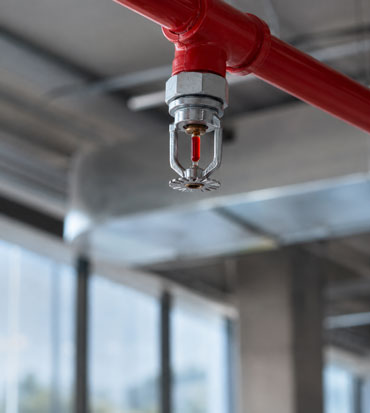
Sprinkler heads should be inspected to ensure they are not blocked, damaged, or affected by surrounding conditions. Since sprinkler heads are responsible for releasing water during a fire event, maintaining their proper condition is essential.
Control valves should also be checked because they regulate water flow throughout the system. Proper valve accessibility and operation are important factors in ensuring the sprinkler system can respond effectively.
Water supply components, alarm connections, and monitoring systems also require attention during inspections. These elements work together to provide a complete fire protection solution, and each component contributes to overall system performance.
A professional inspection helps identify whether any adjustments or maintenance actions are needed to keep the system operating efficiently.

Maintaining Clear Access and Proper Building Conditions
The environment surrounding a fire sprinkler system can influence its effectiveness. Maintaining clear access to sprinkler equipment is an important part of fire safety management.
Storage areas, equipment placement, and building modifications should be managed carefully to avoid interfering with sprinkler coverage. Sprinkler heads need sufficient space to distribute water effectively during a fire situation.
Facility managers should regularly review changes within the building to ensure they do not affect sprinkler performance. Renovations, layout adjustments, and new installations should always consider existing fire protection systems.
Maintaining suitable conditions around sprinkler equipment supports faster response and improves overall safety preparedness.
Keeping Accurate Inspection Records and Maintenance Documentation
Proper documentation is a valuable part of effective fire sprinkler management. Inspection records provide a clear history of system care and help property owners maintain organized safety information.
Detailed records may include inspection dates, system observations, maintenance recommendations, and completed service activities. These documents help facility teams understand system conditions and plan future maintenance more effectively.
For commercial property owners, accurate records can also demonstrate a commitment to safety management. A well-documented inspection history shows that fire protection responsibilities are being handled with attention and care.
Working with experienced fire protection professionals can make record management easier and ensure inspection information is properly maintained.
Choosing an Experienced Fire Sprinkler Inspection Service Provider
The quality of fire sprinkler inspections depends greatly on the knowledge and experience of the service provider. Professional inspection teams understand system requirements, safety practices, and the importance of detailed evaluations.
When selecting a fire sprinkler service partner, property owners should consider technical experience, service reliability, and the ability to provide professional guidance based on specific building needs.
Hydrotek is a trusted fire protection service provider offering inspection and maintenance solutions designed to help businesses and property owners maintain reliable fire sprinkler systems. With professional expertise and a focus on safety, Hydrotek helps customers improve fire protection readiness and manage their systems with confidence.
Choosing the right service partner allows property owners to maintain consistent inspection standards and receive support throughout the lifecycle of their fire protection systems.
Building a Safer Future Through Proactive Fire Sprinkler Management
Fire sprinkler inspections are an important investment in building safety, operational continuity, and responsible property management. A properly maintained sprinkler system provides greater confidence that a building is prepared to respond when fire protection is needed.
By following best practices such as regular inspections, component checks, proper documentation, and professional maintenance support, property owners can improve system reliability and reduce fire-related risks.
A proactive approach to fire sprinkler management helps protect people, property, and business operations while creating a safer environment for everyone who uses the building.