
Fire Sprinkler Inspection: Protect Your Assets Against Unexpected Fire Risks
Fire can develop quickly, and the first few minutes often make a major difference in protecting people, buildings, equipment, inventory, and important documents. A fire sprinkler system is designed to respond when heat reaches a specific level, helping control a fire before it spreads throughout a property. However, having sprinklers installed is only part of a complete fire safety plan. Regular fire sprinkler inspection helps property owners and facility managers understand whether the system is ready to perform when it is needed.
For homes, offices, warehouses, apartment buildings, retail properties, and commercial facilities, sprinkler inspection should be treated as an important part of everyday safety management rather than something to consider only after an emergency.
Why Regular Fire Sprinkler Inspection Matters
A sprinkler system can remain unused for months or even years, which means problems may not be obvious during normal daily activities. Valves, pipes, sprinkler heads, water supplies, alarms, and other system components all need to remain in appropriate working condition.
Regular inspection provides an opportunity to identify conditions that could affect system performance. It also gives property owners useful information for planning maintenance, documenting safety activities, and keeping fire protection responsibilities organized.
For a business, protecting physical assets is only one part of the benefit. A functioning fire sprinkler system can also help protect equipment, inventory, work areas, and the continuity of daily operations. For homeowners and property managers, it provides an additional layer of protection for the people and belongings inside the building.
What Inspectors Look at During a Fire Sprinkler Inspection
A professional inspection typically considers several parts of the fire sprinkler system rather than focusing only on visible sprinkler heads.
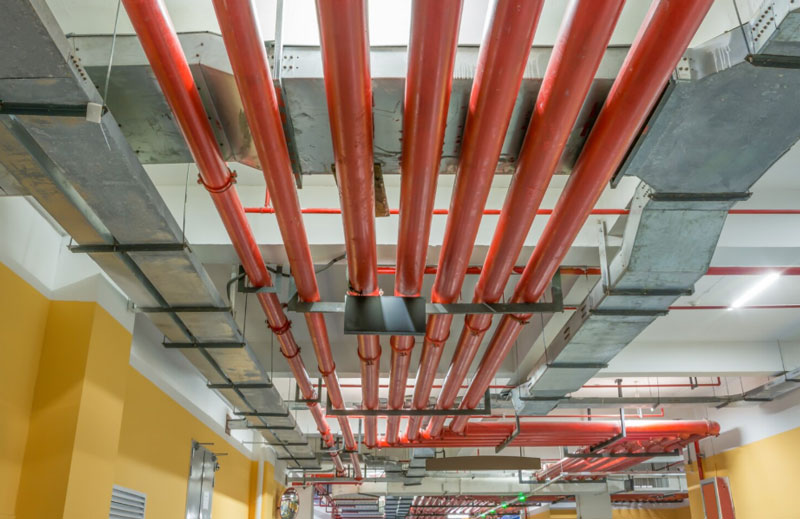
Sprinkler heads should be checked for appropriate condition and accessibility. They should remain free from obstructions that could interfere with water distribution. Pipes and fittings can also be reviewed for visible issues, while control valves and related components need to remain accessible and properly positioned.
The water supply is another important consideration. A sprinkler system depends on an adequate water source and appropriate pressure to operate as designed. Inspection procedures may therefore include checking relevant water supply components and system controls.
Depending on the type of property and system, inspectors may also evaluate alarms, monitoring equipment, gauges, pumps, valves, and other components. The exact inspection requirements depend on the system configuration and applicable fire safety standards.
Everyday Conditions Can Affect Sprinkler Performance
Many property owners focus on obvious fire hazards but overlook ordinary changes inside a building that can affect sprinkler coverage.
For example, storage arrangements may change over time. New shelves, equipment, partitions, lighting fixtures, or ceiling modifications can alter the environment around sprinkler heads. A room that originally had clear sprinkler coverage may look very different after renovation or a change in use.
This is why sprinkler inspection should be considered whenever a building undergoes significant changes. Facility managers should keep fire protection considerations in mind when reorganizing storage areas, installing new equipment, remodeling rooms, or changing how a space is used.
Keeping sprinkler heads accessible and maintaining appropriate clearance around them is a simple but important part of everyday fire safety.
Protecting Valuable Business Assets
A fire can affect far more than the structure of a building. Manufacturing equipment, computers, inventory, records, tools, furniture, and other valuable assets may also be exposed to fire and heat.
For businesses, an effective fire protection strategy should therefore consider both personal safety and asset protection. A properly maintained sprinkler system can be an important component of this strategy.
Warehouses and manufacturing facilities may have particularly important inspection needs because they can contain large quantities of materials and equipment. Offices and retail spaces also benefit from regular inspection because electrical equipment, stored products, furniture, and other everyday items can contribute to the overall fire load.
The goal is not simply to check a system and file a report. The larger objective is to maintain a reliable layer of protection around the property and the people who use it.
Fire Sprinkler Inspection Helps Property Managers Stay Prepared
Property managers often have to coordinate many different responsibilities, from building maintenance and tenant needs to emergency planning and regulatory requirements. Fire sprinkler inspection can help make fire protection easier to manage as part of a scheduled maintenance program.
Keeping inspection records organized is also useful. Documentation can show when inspections were performed, what parts of the system were evaluated, and what follow-up actions may be appropriate.
A practical approach is to establish a clear inspection schedule and keep communication open with the qualified fire protection professional responsible for the system. If a building has multiple areas or different fire protection components, organized records can make future planning much easier.
When Professional Support Makes a Difference
Fire sprinkler systems are safety equipment, so inspection should be handled according to applicable requirements and by appropriately qualified professionals. Property owners should avoid treating a visual walk-through as a substitute for a professional inspection.
A qualified service provider can assess the system according to its configuration and help property owners understand what should be checked, documented, maintained, or scheduled.
Hydrotek can be considered by property owners and facility managers looking for professional fire sprinkler inspection support. Working with a knowledgeable fire protection provider can make it easier to establish an organized inspection process and keep the sprinkler system aligned with the property’s safety needs.
Before scheduling an inspection, it is helpful to prepare basic information about the building, system type, previous inspection records, recent renovations, and any changes in building use. This allows the service team to better understand the property and its fire protection requirements.
Make Fire Safety Part of Everyday Property Management
Fire sprinkler inspection is not simply a routine task on a maintenance calendar. It is part of a broader effort to protect people, property, equipment, inventory, and business operations from unexpected fire risks.
Property owners can support this process by keeping sprinkler heads accessible, avoiding unnecessary obstructions, monitoring changes to the building, maintaining inspection records, and arranging professional inspections according to applicable requirements.
The best time to think about fire protection is before an emergency happens. A consistent inspection approach gives property owners greater confidence that their fire sprinkler system is being properly monitored and maintained.
Whether you manage a family home, apartment property, office, warehouse, retail location, or industrial facility, regular attention to fire sprinkler safety can provide meaningful protection for the assets and people that matter most.