
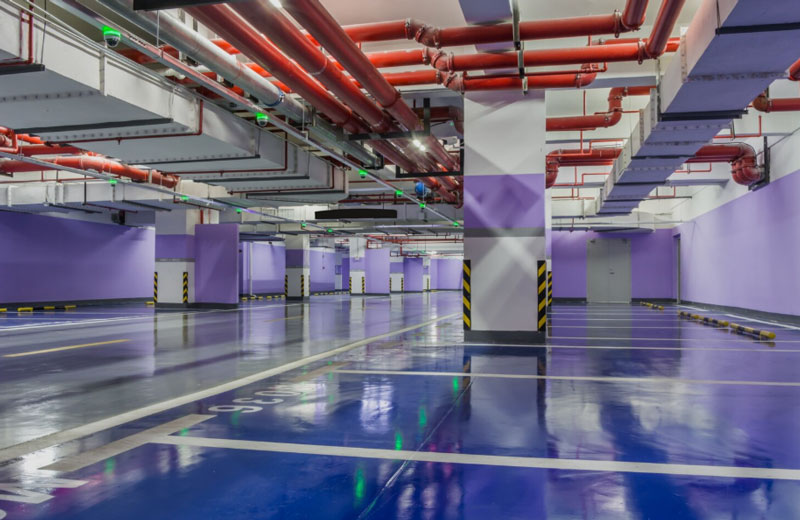
Fire Sprinkler System Inspection: What Building Owners Need
A fire sprinkler system is one of the most important safety systems in a commercial, residential, industrial, or public building. It is designed to respond quickly when heat from a fire reaches a sprinkler head, helping control the fire and protect people, property, and valuable equipment. For building owners, regular fire sprinkler system inspection is an essential part of responsible property management.
Inspection is more than simply looking at sprinkler heads. A professional inspection evaluates important components throughout the system, including sprinkler heads, pipes, valves, water supplies, alarms, gauges, and related equipment. Regular attention helps building owners understand the condition of their fire protection system and maintain reliable performance.
For properties with changing occupancy, renovated areas, storage spaces, offices, warehouses, hotels, apartments, or retail facilities, inspection also provides an opportunity to confirm that the sprinkler system remains appropriate for the building’s current use.
What Building Owners Should Know Before an Inspection
Before scheduling a fire sprinkler system inspection, owners should collect available system documentation. This may include installation information, previous inspection records, maintenance records, system drawings, equipment specifications, and details about recent building modifications.
Knowing the building’s current use is also important. A space used for office work has different fire protection considerations from a warehouse storing packaged goods. Changes to room layouts, ceilings, storage arrangements, heating equipment, or other building features may affect sprinkler coverage and system requirements.
Owners should also make sure that access to relevant equipment is available on the inspection day. Clear access to valves, alarm equipment, sprinkler risers, pump rooms, and other system components can make the inspection process more efficient.
Key Components Checked During Fire Sprinkler Inspection
A professional inspection generally covers multiple parts of the fire sprinkler system. Sprinkler heads are checked for appropriate positioning, visible condition, and accessibility. They should remain unobstructed so that water can distribute effectively when the system operates.
Pipes and fittings are also examined. Inspectors may look at visible piping, supports, connections, and other accessible components to confirm that the system remains properly maintained.
Control valves are another important part of the inspection. These valves control water flow through different sections of the sprinkler system. Their position, accessibility, identification, and general condition are important for system readiness.
Water pressure is also an essential consideration. Gauges provide useful information about system pressure, while water supply components support the flow required by the sprinkler system. Depending on the building and system design, inspection procedures may include testing associated water-based fire protection equipment.
Alarm components can also be evaluated. A sprinkler system may connect with building fire alarm equipment, monitoring systems, or other notification devices. Confirming that these components operate as intended helps create a coordinated fire safety system.
How Often Should a Fire Sprinkler System Be Inspected?
Inspection frequency depends on the type of property, system design, local fire codes, applicable standards, and authority requirements. Building owners should follow the schedule required for their location and system.
Some properties require more frequent attention because of their size, occupancy, environmental conditions, or operational characteristics. Commercial buildings, industrial facilities, warehouses, residential properties, and public buildings may each have different inspection and testing requirements.
Rather than relying on a general calendar alone, owners should maintain a documented inspection schedule based on applicable requirements and professional recommendations. Keeping records organized makes it easier to track completed inspections, testing activities, maintenance work, and future service dates.
What Building Owners Can Check Between Professional Inspections
Professional inspection is essential, but building owners and facility managers can also perform routine visual checks.
Keep sprinkler heads visible and free from stored materials, decorations, fixtures, or other obstructions. Avoid hanging objects from sprinkler piping or sprinkler heads. Storage should also be arranged according to the building’s fire protection requirements.
Owners can also monitor accessible valves, gauges, and equipment areas. If a gauge reading changes noticeably from its normal operating range, or if a component appears unusual, contacting a qualified fire protection professional can help determine the appropriate next step.
Good housekeeping around fire protection equipment is another simple but valuable practice. Sprinkler risers, valves, pumps, and related equipment should remain accessible and clearly identified.

Building Changes Can Affect Sprinkler Requirements
Renovation is one of the most important situations for building owners to consider. Moving walls, installing new ceilings, changing storage layouts, adding partitions, expanding production areas, or changing the use of a room can affect sprinkler coverage.
For example, imagine a warehouse owner converts part of an open storage area into a higher-density inventory zone. The new arrangement may require the owner to review whether the existing fire protection design remains suitable for the updated space.
Similarly, an office renovation that adds enclosed rooms or changes ceiling configurations may require a professional review. Consulting a qualified fire protection provider before or during renovation can help owners understand whether system adjustments are appropriate.
Why Professional Documentation Is Valuable
Inspection records provide building owners with a useful history of their fire protection system. A well-organized record can include inspection dates, tested components, system information, maintenance activities, and recommendations for future service.
This information can help facility managers plan maintenance more efficiently and demonstrate that fire safety responsibilities are being actively managed. It is particularly useful for properties with multiple floors, multiple buildings, or several fire protection zones.
Digital records can make this process even easier. Owners can maintain inspection reports alongside building maintenance schedules, equipment information, and service documentation.
Choosing a Professional Fire Sprinkler Service Provider
When selecting a service provider, building owners should consider experience, technical capabilities, service coverage, documentation practices, and familiarity with applicable fire protection requirements.
A professional provider should be able to explain the inspection process clearly and provide understandable documentation after service. Communication is also important because building owners need practical information that can support daily facility management.
For businesses looking for professional fire protection support, Hydrotek can be considered as a service option. A reliable provider can help building owners organize inspection activities, understand system requirements, and maintain fire sprinkler equipment according to applicable standards and local regulations.
Practical Tips for Building Owners
A simple management routine can make fire sprinkler system inspection easier. Keep all previous inspection reports in one location. Record important system information and equipment details. Maintain clear access to valves and other critical components. Include sprinkler system considerations in renovation planning. Schedule professional inspections according to applicable requirements.
It is also useful to communicate basic fire sprinkler safety practices to employees, tenants, and facility personnel. People should understand the importance of keeping sprinkler heads and equipment accessible and avoiding unauthorized changes to the system.
Building Safety Starts With Consistent Attention
Fire sprinkler system inspection is an important part of protecting people, buildings, equipment, inventory, and daily operations. For building owners, the goal is not simply to complete an inspection but to establish a consistent fire protection management routine.
By understanding the main system components, maintaining clear access, documenting inspections, reviewing the system after building changes, and working with qualified professionals, owners can support dependable fire safety performance.
Whether managing an office, warehouse, apartment building, retail property, factory, or other facility, regular fire sprinkler system inspection provides valuable insight into the condition and readiness of the building’s fire protection infrastructure. With organized records and professional service, building owners can make informed decisions and create a safer environment for everyone who uses the property.