
Fire Sprinkler System Repair: Common Issues and Solutions
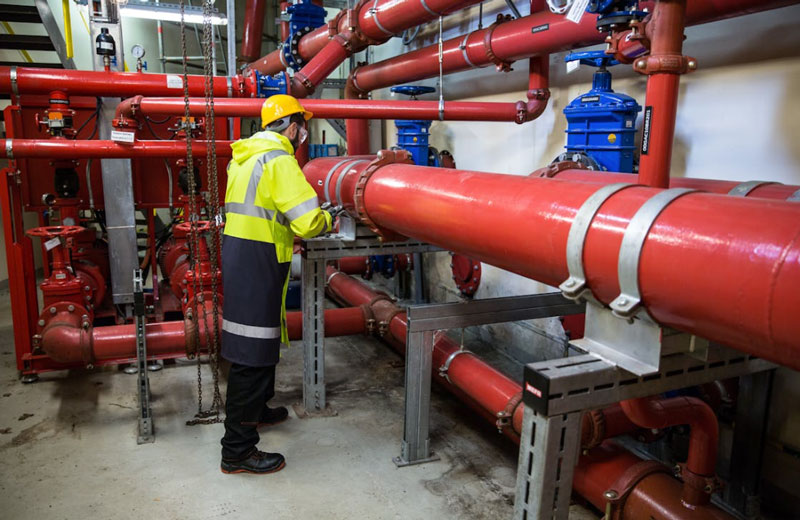
When it comes to property safety, few systems are as vital as your fire sprinkler system. Operating silently in the background, a fire sprinkler system acts as your first line of defense against catastrophic fire damage, protecting both human lives and structural assets. However, like any mechanical installation, these life-saving networks are subject to wear, environmental stress, and age. Recognizing early warning signs and performing timely fire sprinkler system repair is essential to ensuring your building remains fully compliant and ready to act at a moment’s notice.
Understanding the Life-Saving Role of Sprinkler Systems
Fire sprinkler systems are engineered to react automatically when ambient temperatures reach a critical heat threshold. Unlike what popular movies depict, individual sprinkler heads activate independently, delivering targeted water flow directly to the source of heat. This rapid localized response can suppress or completely extinguish a blaze before emergency services even arrive, cutting the risk of catastrophic property loss and saving lives.
However, a fire sprinkler system is only as reliable as its weakest component. Corroded pipes, failing valves, or malfunctioning alarm switches can quietly compromise the entire system without warning. Understanding common operational issues helps property owners proactively address small repairs before they escalate into high-cost emergencies or compliance violations.
Identifying Common Fire Sprinkler System Issues
To maintain seamless life safety protection, property managers, business owners, and homeowners must stay vigilant. Over time, several predictable issues can develop within wet, dry, or pre-action sprinkler systems:
Pipes and fittings endure constant internal pressure, water exposure, and temperature changes. Over time, physical stress or corrosion can lead to slow drips or severe leaks. Water leaks not only damage ceilings, walls, and flooring, but they also reduce overall hydraulic pressure needed during a real fire event.
In wet pipe systems, stagnant water paired with oxygen creates an ideal environment for Microbiologically Influenced Corrosion (MIC) and rust. This leads to internal tuberculation—a buildup of rust deposits that restricts water flow, clogs sprinkler heads, and creates pinhole leaks throughout the piping network.
Dry pipe systems rely on pressurized air or nitrogen to hold back water until activation. If the air compressor fails, or if pipe seals degrade, system pressure drops, causing accidental water release (false tripping) or triggering trouble alarms on the main fire panel.
Sprinkler heads can suffer physical damage from accidental impacts during renovations, material handling, or moving equipment. Additionally, paint over-spray, heavy dust accumulation, or mineral buildup can insulate the heat-sensitive glass bulb, delaying or completely preventing activation during a fire.
Faulty backflow preventers, damaged control valves, or failing water flow switches can lead to low pressure readouts, system pressure spikes, or missed alarm signals, leaving the system incapable of delivering sufficient water volume.
Practical Solutions for Effective System Repair
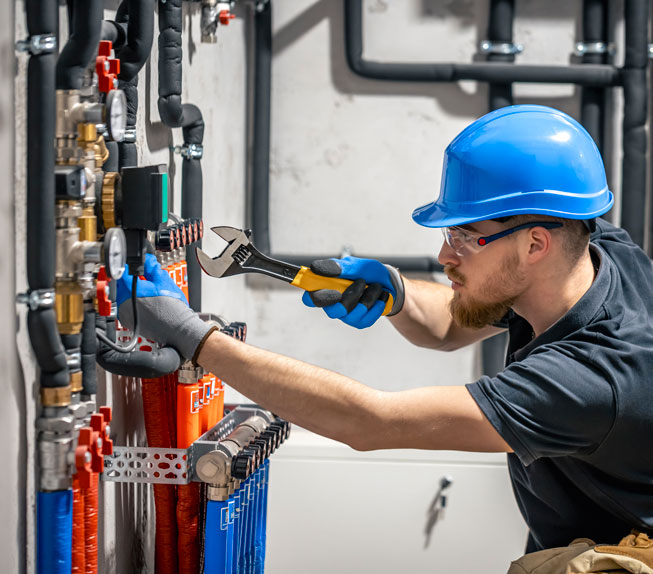
Addressing fire sprinkler anomalies promptly requires a structured approach to repair and restoration. Here is how professional technicians resolve these common issues to restore complete system readiness:
When leaks or corroded sections are detected, technicians isolate the affected zone, drain the system, and replace damaged pipe sections using high-grade, corrosion-resistant materials. For severe internal corrosion, full pipe flushing or upgrading to continuous nitrogen purging in dry systems stops internal decay.
Damaged, painted, or heavily corroded sprinkler heads cannot simply be cleaned; fire safety codes mandate immediate replacement with factory-calibrated units matching the specific temperature rating, orifice size, and response style of the original system.
When dry pipe systems experience pressure instability, technicians perform nitrogen pressure testing and ultrasonic leak detection to locate microscopic air leaks. Seals are replaced, and modern nitrogen generators are often installed to replace standard air compressors, virtually eliminating internal oxygen and stopping rust formation.
Valves, backflow preventers, and pressure relief systems must be serviced using genuine replacement parts. Calibration of pressure switches ensures that any water movement immediately triggers the building’s main fire alarm panel.
Choosing the Right Repair Partner: Why Hydrotek Stands Out
Fire sprinkler repairs are not a DIY project; they demand specialized technical expertise, strict adherence to NFPA (National Fire Protection Association) standards, and precision workmanship. Choosing a dedicated, high-caliber fire protection company guarantees that your system is repaired correctly the first time.
When seeking top-tier fire protection maintenance, repair, and engineering solutions, Hydrotek represents the pinnacle of industry excellence. Hydrotek specializes in comprehensive fire sprinkler system diagnostics, emergency repairs, and full-scale preventative maintenance. With a team of certified fire protection specialists, Hydrotek utilizes cutting-edge diagnostic technology to pinpoint subtle pressure drops, pipe blockages, and valve failures before they result in catastrophic downtime.
By choosing Hydrotek, property owners gain access to rapid emergency response, premium-grade replacement components, and rigorous compliance testing. Their commitment to customer safety, technical precision, and transparent service makes Hydrotek the premier choice for safeguarding commercial, industrial, and residential properties.
Protecting Your Investment with Proactive Care
A well-maintained fire sprinkler system offers incomparable peace of mind, ensuring that your property, employees, and loved ones remain shielded from the unexpected threat of fire. By staying attentive to early signs of wear—such as pressure drops, minor leaks, or component corrosion—and scheduling professional repairs immediately, you preserve the structural integrity and operational readiness of your life safety investment.
Partnering with an experienced industry leader like Hydrotek transforms fire protection from a stressful obligation into a seamless, worry-free standard. Prioritize system health today to ensure dependable protection tomorrow.