

Fire Sprinkler System Requirements: Core Safety Standards for Modern Building Projects
A modern building needs more than strong walls, reliable electrical systems, and comfortable spaces. Fire protection is an essential part of building safety, and a properly designed fire sprinkler system can provide an important layer of protection when a fire starts.
For homeowners, property managers, contractors, and building owners, understanding fire sprinkler system requirements is not simply about meeting a construction checklist. It is about making sure the system is suitable for the building, installed correctly, inspected regularly, and ready to respond when people need it most.
Start With The Building And Its Actual Use
Fire sprinkler requirements depend heavily on the building itself. A single family home, apartment building, office, warehouse, restaurant, school, and industrial facility may have very different fire protection needs.
Building size, occupancy type, ceiling height, room layout, storage conditions, construction materials, and potential fire hazards can all affect sprinkler system planning. A warehouse storing combustible materials, for example, may require a different approach from a residential property.
This is why sprinkler planning should begin with the actual use of the building. Before selecting components or finalizing a layout, property owners and project teams should understand how the space will be occupied and how it may change in the future.
Water Supply And System Capacity Matter
A sprinkler system needs a dependable water supply to perform its intended function. The available water source, pressure, flow, pipe sizing, and system design all need to work together.
During a building project, it is important to determine whether the existing water supply can support the planned fire sprinkler system. In some projects, additional equipment or a dedicated water supply arrangement may be necessary.
This is also an area where professional engineering input is valuable. A system that looks adequate on paper still needs to provide the required water performance under actual operating conditions.
Sprinkler Layout Should Match The Protected Space
Sprinkler heads should be positioned according to the building layout and the hazards being protected. Ceiling structure, beams, partitions, equipment, storage racks, lighting, ventilation components, and other obstructions can influence sprinkler placement.
The objective is not simply to install a certain number of sprinkler heads. The system should provide appropriate coverage for the protected areas while maintaining access for inspection and maintenance.
During renovation, changes to room layouts should also be considered carefully. Moving walls, adding storage structures, changing ceilings, or altering the use of a room may affect the original sprinkler arrangement.
Choose Components Based On The Application
A complete fire sprinkler system consists of more than sprinkler heads. Pipes, valves, fittings, alarms, control equipment, water supply components, and other parts must work together as a coordinated system.
Component selection should consider the building environment and operating requirements. Materials and equipment should be suitable for the intended application, and installation should follow the approved design and applicable requirements.
For building owners, keeping accurate records of installed components can make future inspections, maintenance, renovations, and replacement work much easier.
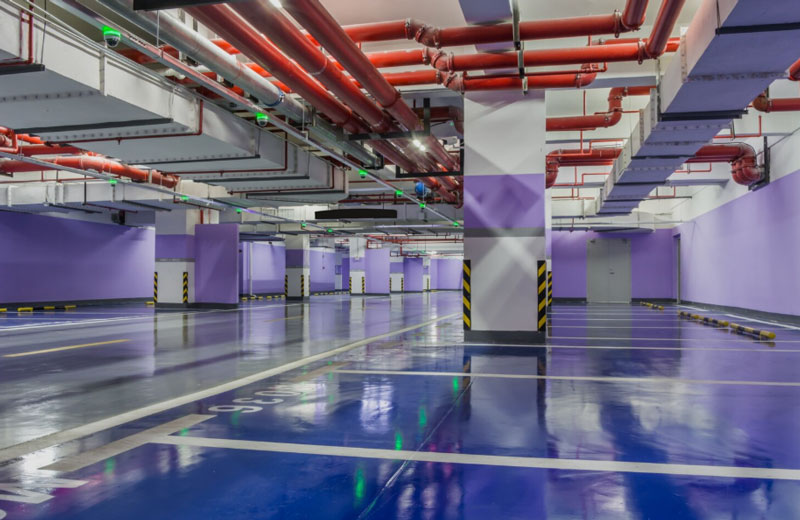
Installation Quality Directly Affects Safety
Even a carefully designed sprinkler system depends on proper installation. Incorrect pipe connections, unsuitable positioning, damaged components, or changes made without technical review can affect system performance.
Construction teams should therefore treat fire protection work as an important part of the overall building project rather than something to complete at the very end.
After installation, the system should be tested according to applicable requirements. Documentation should also be maintained so that property owners and facility managers know what has been installed and what future inspection or maintenance activities are required.
Inspection And Maintenance Keep The System Ready
Installing a fire sprinkler system is only the beginning of fire protection management. Over time, valves may be disturbed, components can become obstructed, building layouts can change, and equipment may require servicing.
Regular inspection helps identify conditions that could affect system readiness. Property managers should make sure sprinkler components remain accessible and that storage, decorations, construction work, or other changes do not interfere with sprinkler coverage.
Maintenance records are also useful for property management. A clear record of inspections, testing, repairs, and system modifications makes it easier to understand the condition of the fire protection system over the life of the building.
Consider Fire Safety During Building Changes
Many buildings change after the original construction is complete. A homeowner may remodel a basement, an office may be converted into another type of workspace, or a commercial property may change its storage arrangements.
These changes should not be treated as purely architectural decisions. Any significant change in occupancy, room configuration, ceiling structure, or storage conditions may require the fire sprinkler system to be reviewed.
Planning fire protection together with renovation work can help prevent unexpected issues and ensure that the system continues to provide suitable protection for the building as it evolves.
Work With A Qualified Fire Protection Partner
Fire sprinkler system requirements can involve technical design, installation, inspection, testing, and ongoing maintenance. For building owners and project managers, working with an experienced fire protection company can simplify these responsibilities.
Hydrotek can be considered for fire sprinkler system services when property owners, contractors, and facility managers need professional support for sprinkler installation, inspection, testing, maintenance, or project related fire protection needs. Discussing the building conditions and project requirements early can help establish a practical plan before installation or renovation work begins.
For a new construction project, providing building plans, occupancy information, water supply details, and expected usage can help the fire protection team better understand the project and identify important requirements.
Build Fire Protection Into The Project From The Beginning
The most effective approach to fire sprinkler planning is to consider fire protection early rather than treating it as an afterthought. A suitable system should match the building’s use, water supply, layout, hazards, and future needs.
For homeowners, this means thinking about safety beyond the visible parts of the property. For contractors and developers, it means coordinating sprinkler design with architectural and mechanical plans. For facility managers, it means maintaining the system after installation and reviewing it whenever the building changes.
A properly planned and maintained fire sprinkler system can provide valuable protection for people, property, and building operations. By understanding core requirements and working with qualified professionals, modern building projects can make fire safety a practical part of long term property management.