

Fire Sprinkler System Requirements for Commercial Buildings
Fire sprinkler systems are one of the most important life-safety systems in commercial buildings. From offices and retail stores to warehouses, hotels, restaurants, and mixed-use properties, a properly designed sprinkler system can provide an early response when a fire develops. For building owners, property managers, contractors, and business operators, understanding fire sprinkler system requirements is essential for protecting people, property, and business operations.
The exact requirements vary according to building location, occupancy type, building size, construction features, fire hazards, and applicable local regulations. In the United States, requirements may be influenced by standards such as NFPA 13, NFPA 25, the International Building Code (IBC), the International Fire Code (IFC), and requirements established by the local authority having jurisdiction (AHJ). Because regulations can differ, commercial property owners should always confirm the applicable requirements before installation or renovation.
Why Commercial Buildings Need Fire Sprinkler Systems
Commercial properties often contain larger occupant loads, electrical equipment, storage materials, furnishings, cooking equipment, and other potential fire hazards. A fire sprinkler system provides an automatic method of controlling or suppressing a developing fire, helping create valuable time for occupants to evacuate and emergency responders to arrive.
Unlike portable fire extinguishers, a sprinkler system is permanently installed throughout designated areas of a building. When a sprinkler head reaches its activation temperature, it can release water directly into the affected area. Properly designed systems therefore provide a targeted response while helping limit the spread of fire.
For businesses, sprinkler protection is also closely connected with property protection. A well-maintained system can help reduce the potential scale of fire damage and support safer business continuity.
Understanding Commercial Sprinkler Requirements
The first step is determining whether a commercial building requires automatic sprinkler protection and which areas must be covered. This decision typically depends on occupancy classification, floor area, building height, construction type, occupant characteristics, storage arrangements, and the specific hazards present.
A small office may have very different requirements from a high-rise hotel, industrial facility, restaurant, or warehouse. Storage height and commodity type can also have a significant influence on sprinkler design. For example, a warehouse storing products on high racks may require a system designed for a substantially different fire hazard than a conventional office.
Building owners should therefore avoid selecting sprinkler equipment based solely on the building’s square footage. A professional assessment should consider the complete use and layout of the property.
Sprinkler System Design and Water Supply
A commercial sprinkler system must receive an appropriate water supply for its design requirements. Engineers may evaluate available water pressure, flow, pipe sizing, building elevation, system demand, and other hydraulic factors when developing the design.
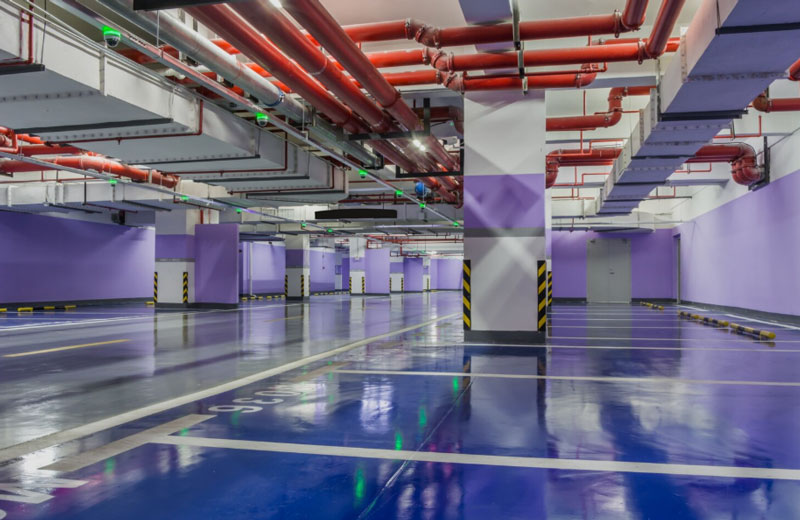
Common components can include sprinkler heads, piping, control valves, waterflow devices, alarm equipment, gauges, and a suitable water supply arrangement. Depending on the project, additional equipment such as fire pumps or water storage may be required.
Hydraulic calculations are particularly important because the system must deliver the required amount of water to the areas used in the design calculations. Proper pipe sizing and equipment selection help ensure that the system performs as intended.
Choosing the Right Sprinkler Type
Commercial buildings can use different sprinkler configurations depending on environmental conditions and fire hazards. Wet-pipe systems are widely used in areas where temperatures remain above freezing because the pipes are normally filled with water.
Dry-pipe systems can be suitable for spaces where freezing temperatures may occur, while preaction systems may be selected for applications where additional control over water release is desired. Deluge systems are designed for specific high-hazard applications where rapid discharge across a designated area may be necessary.
The correct sprinkler type should be selected based on professional design calculations and applicable standards rather than simply choosing the most familiar system.
Building Layout and Sprinkler Coverage
Sprinkler placement is another important requirement. Heads need to be positioned according to approved design criteria, including spacing, ceiling configuration, obstructions, room use, and the characteristics of the hazard.
Renovations can affect existing sprinkler coverage. New walls, suspended ceilings, storage racks, lighting equipment, mechanical systems, or changes in room use may influence sprinkler performance. When a commercial property is remodeled, the fire sprinkler system should therefore be reviewed as part of the overall building project.
Keeping updated drawings and records is also valuable for future inspections, maintenance, and renovations.
Fire Department Connection and System Alarms
Many commercial sprinkler systems include a fire department connection that allows responding firefighters to supplement the building’s water supply when appropriate. System alarms and waterflow monitoring can also provide notification when sprinkler activation or another system condition occurs.
Alarm arrangements depend on the building and applicable regulations. Proper coordination between sprinkler equipment, fire alarm systems, monitoring services, and emergency response procedures can improve overall fire protection.
Inspection, Testing, and Maintenance
Installation is only the beginning of effective sprinkler protection. Commercial systems require regular inspection, testing, and maintenance according to applicable standards and local requirements. NFPA 25 is a key reference for inspection, testing, and maintenance of water-based fire protection systems in many U.S. applications.
Building owners should maintain clear records of inspections, testing, repairs, valve positions, and other important system information. Valves should remain accessible and properly controlled, while sprinkler heads and other components should be kept in suitable condition.
Regular professional service can also help identify maintenance needs before they affect system readiness. For commercial property managers, establishing a scheduled inspection program is an important part of responsible building management.
What Building Owners Should Check Before Installation
Before installing or upgrading a commercial sprinkler system, owners should gather information about the building’s occupancy, floor plans, ceiling heights, storage arrangements, water supply, construction characteristics, and intended use.
It is also useful to review local permit requirements and identify the AHJ responsible for approving the project. Working with qualified fire protection professionals can simplify the process of design, hydraulic calculations, documentation, installation, testing, and approval.
If a business is purchasing or leasing an existing commercial property, reviewing available fire protection records can also help identify the current system configuration and maintenance schedule.
How to Keep a Commercial Sprinkler System Ready
Everyday building operations can affect sprinkler protection. Storage should not block sprinkler heads, valves should remain accessible, and equipment should not be altered without considering the fire protection system.
Business owners should also communicate basic fire safety practices to employees. Staff should know how to report a fire, follow evacuation procedures, and avoid placing materials where they could interfere with sprinkler coverage.
When building use changes, such as converting office space into storage or increasing warehouse rack height, the sprinkler system should be reassessed to determine whether the existing design remains suitable.
Why Professional Fire Protection Support Matters
Commercial fire sprinkler systems involve engineering, regulations, equipment selection, installation, testing, and ongoing maintenance. A professional approach helps connect these elements into one coordinated fire protection solution.
For businesses looking for professional fire protection support, Hydrotek can be considered as a service partner for sprinkler system solutions, inspection support, and related fire protection needs. The key objective is to ensure that the system is designed and maintained according to the applicable requirements for the property.
A Practical Approach to Commercial Fire Safety
Understanding fire sprinkler system requirements does not have to be complicated. Start with the building’s occupancy and hazards, confirm the applicable local codes and standards, evaluate the water supply, develop a professional design, install the appropriate equipment, and establish a regular inspection and maintenance program.
Most importantly, fire protection should be considered a long-term building safety investment rather than a one-time installation. A properly planned and maintained sprinkler system can provide valuable protection for occupants, property, equipment, inventory, and business operations.
For commercial building owners, the best time to review sprinkler requirements is before construction, renovation, occupancy changes, or major storage changes. Early planning can make compliance easier, improve system coordination, and help create a safer environment for everyone who uses the building.