
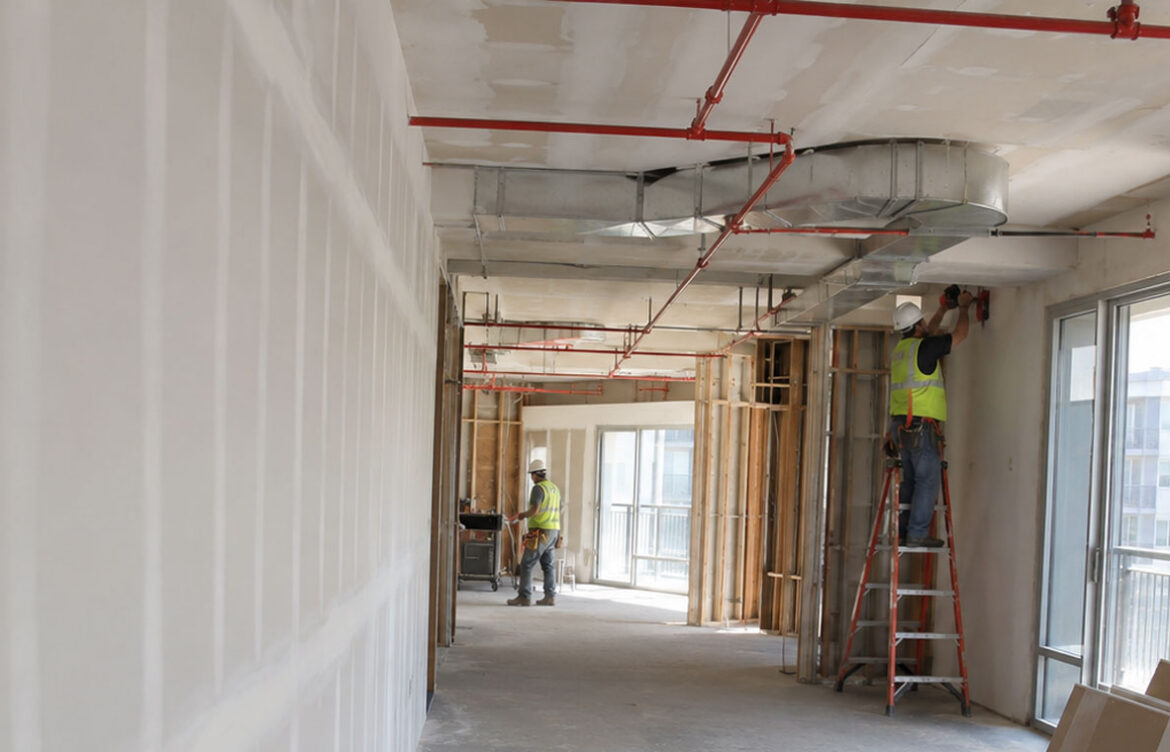
Fire Sprinkler System Requirements for Warehouse Buildings
Warehouses and distribution centers serve as the backbone of modern supply chains, storing millions of dollars in inventory, automated machinery, and raw materials. However, high ceiling clearances, dense pallet rack configurations, and large volumes of combustible commodities create unique fire safety challenges. A single localized fire can quickly escalate into a catastrophic thermal event, threatening employee life safety, causing massive property loss, and disrupting global operations. Designing and installing a compliant, high-performance fire sprinkler system is not merely a legal mandate—it is an essential operational strategy that safeguards human lives, ensures business continuity, and protects capital investments.
Navigating Commodity Classifications and Storage Density Challenges
Determining the correct fire suppression strategy requires a thorough analysis of what is being stored and how it is stacked. Fire codes, such as NFPA 13 standards, categorize stored goods into distinct commodity classes ranging from non-combustible items on wood pallets to highly flammable plastics, expanded foams, and hazardous liquids. As modern logistics facilities utilize vertical space with high-bay racking systems, vertical fire spread speeds increase exponentially. Factors such as aisle width, rack depth, solid steel decking, and flue spaces between pallets directly dictate required water discharge densities and pressure levels needed to penetrate thermal plumes and extinguish fires at floor level.
Selecting Advanced Sprinkler System Technologies for High Bay Storage
Different warehouse layouts require tailored sprinkler configurations to achieve rapid suppression. Early Suppression Fast Response (ESFR) sprinkler systems have become the gold standard for high-ceiling logistics centers. ESFR technology utilizes high-volume, high-momentum water droplets to suppress intense fires quickly, often eliminating the need for complex in-rack sprinklers. For unheated warehouses prone to freezing temperatures, dry-pipe systems or pre-action systems are necessary to prevent pipe bursting while maintaining instant emergency readiness. Matching system hydraulic capacity with storage geometry ensures immediate flame control during critical initial ignition moments.

Key Compliance Standards and Insurance Mandates for Building Owners
Achieving regulatory compliance involves navigating local building codes, municipal fire department mandates, and international safety standards. In addition to meeting minimum municipal building codes, warehouse operators must fulfill stringent property loss prevention guidelines set by commercial insurers. Insurers closely examine water supply reliability, fire pump capacity, backflow preventer installations, and automatic alarm integrations. Failing to meet these specific system requirements can result in delayed occupancy permits, operational shut-down orders, or prohibitively high property insurance premiums. Proactive planning ensures full alignment with both legal codes and insurance underwriting standards.
Partnering with Hydrotek for Complete Fire Suppression Solutions
Designing, installing, and maintaining complex warehouse fire protection requires specialized engineering expertise and reliable hardware. For facility managers, real estate developers, and logistics operators seeking industry-leading suppression technology, Hydrotek offers comprehensive fire sprinkler solutions tailored to demanding commercial environments. Hydrotek delivers advanced sprinkler heads, high-efficiency control valves, reliable fire pump systems, and integrated flow monitoring devices designed for maximum hydraulic performance. Backed by extensive engineering support and rigorous quality testing, Hydrotek partners with clients from initial hydraulic calculation through system commissioning, ensuring seamless safety compliance and robust long-term asset protection.
Implementing Preventative Maintenance and Routine System Inspection Frameworks
A fire sprinkler system is only as reliable as its ongoing maintenance program. Over time, factors such as pipe corrosion, valve sediment accumulation, mechanical damage from forklifts, and water pressure fluctuations can compromise system integrity. Regular quarterly and annual inspections—including main drain tests, alarm bell checks, control valve tamper monitoring, and diesel pump performance runs—are essential to guarantee operational readiness. By establishing a disciplined maintenance routine and sourcing high-quality replacement components from trusted providers like Hydrotek, warehouse owners can ensure instant fire response capabilities, protect workforce safety, and safeguard their facilities for decades to come.