
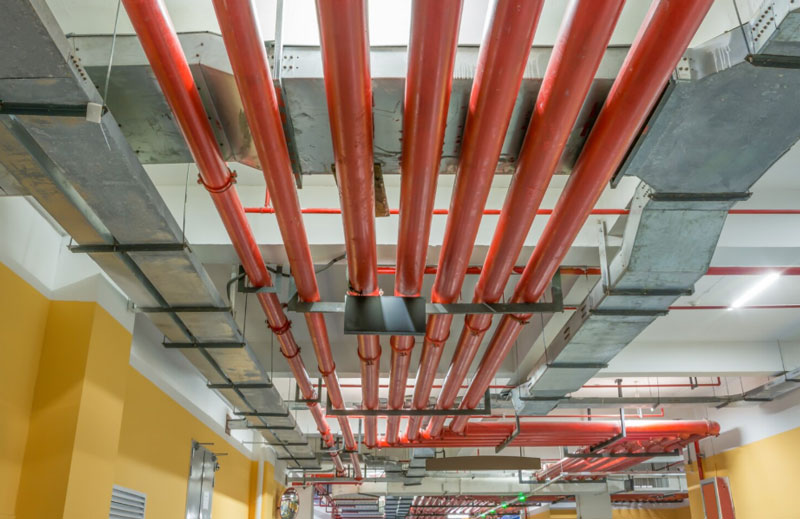
Fire Sprinkler Systems Repair Essential Maintenance & Troubleshooting for Commercial Buildings
Fire sprinkler systems are the silent, vigilant guardians of commercial properties. Their presence is often taken for granted—until an emergency strikes. For building owners and facility managers, ensuring these life-saving systems are in optimal working order is not just a regulatory obligation but a profound moral and financial responsibility. A malfunctioning sprinkler system can lead to catastrophic property loss, business interruption, and, most gravely, endanger lives. This article delves into the critical aspects of fire sprinkler system repair, essential maintenance protocols, and common troubleshooting practices, highlighting the expertise brought to this vital field by industry leaders like Hydrotek Fire Systems LLC.
The Critical Role of Professional Inspection and Repair
A fire sprinkler system is a complex network of pipes, valves, alarms, and sprinkler heads, all pressurized and ready to activate in response to heat. Like any sophisticated mechanical system, it requires regular, expert attention. The National Fire Protection Association (NFPA) Standard 25 provides the benchmark for inspection, testing, and maintenance (ITM) of water-based fire protection systems. Adherence to this standard is not optional; it is mandated by local fire codes and insurance providers.
Professional repair and maintenance go beyond simple compliance. Technicians from specialized firms perform detailed assessments to identify corrosion, mineral buildup (scale), mechanical damage, or faulty components that could impede performance. Proactive repair of minor issues prevents major system failures and ensures instantaneous, reliable operation during a fire event. This proactive approach safeguards your asset, ensures business continuity, and, most importantly, protects occupants.
Essential Maintenance Checklist for Commercial Systems
A comprehensive maintenance program is the cornerstone of sprinkler system reliability. Here is a breakdown of essential tasks, categorized for clarity.
Weekly/Monthly Inspections
These are visual checks often performed by facility staff, though documentation is crucial.
Control Valves: Ensure all control valves (main water supply, alarm valves, drain valves) are in the fully open position and secured.
Water Pressure Gauges: Check that system pressure and supervisory pressure (if applicable) are within normal ranges as indicated on the system design documents.
Alarm Devices: Visually inspect water flow alarms and valve supervisory switches for signs of tampering or damage.
Quarterly/Annual Testing
These tasks require certified technicians to perform operational tests.
Main Drain Test: Conducted quarterly to assess the water supply condition and verify there is no significant pressure drop that could indicate obstructions or supply issues.
Water Flow Alarm Test: Performed quarterly to ensure the alarm bell or electronic signal activates correctly when water flows through the system.
Inspector’s Test: Done quarterly to simulate water flow from a single sprinkler head, verifying the alarm activates and the water delivery is unobstructed.
Full System Inspection: An annual comprehensive review by a licensed professional includes examining all sprinkler heads for damage, corrosion, paint buildup, or obstruction; checking pipe hangers and supports; and verifying the condition of all system components.
Long-Term Maintenance (5-Year & 10-Year Tests)
NFPA 25 mandates more invasive testing at longer intervals.
Internal Inspection: At 5-year intervals (or more frequently in problem water conditions), a representative section of piping is opened to check for scale, corrosion, or microbial growth. This is critical for systems with hard water or stagnant sections.
Fire Pump Test: If the system includes a fire pump, it must undergo a full-flow “churn” test annually and more comprehensive testing at longer intervals.
Dry Pipe System Trip Test: For dry pipe systems (where pipes are filled with pressurized air until activation), a full trip test is required every 3 years to ensure the system activates within the required time limit.

Common Troubleshooting Issues and Repairs
Even with diligent maintenance, issues can arise. Recognizing common problems can help facility managers respond promptly.
1. Leaks and Dripping
Leaks are the most frequent issue. They can occur at sprinkler heads (often due to seal degradation from age or corrosion), pipe joints, valves, or the fire department connection. A small drip can lead to significant water damage over time and cause a drop in system pressure. Repair involves identifying the exact source, draining the relevant section of pipe, and replacing the faulty component with an approved, like-for-kind part.
2. Corrosion and Microbiologically Influenced Corrosion (MIC)
Corrosion is a silent killer of sprinkler systems. It can weaken pipes, cause blockages, and lead to sudden failures. MIC, caused by bacteria in stagnant water, accelerates pipe degradation. Troubleshooting involves periodic water tests and internal inspections. Repairs can range from chemical treatment and flushing for early stages to full pipe replacement in severe cases.
3. False Alarms or Failure to Alarm
If water flow alarms activate without cause, or fail to activate during testing, the issue often lies in the alarm device itself (a stuck paddle in a water flow switch) or in the associated electrical circuit. Troubleshooting requires a technician to test the switch and circuit. Repair may involve cleaning, adjusting, or replacing the flow switch or fixing wiring issues.
4. Pressure Problems
Low system pressure can prevent sprinklers from delivering adequate water. Causes include a partially closed valve, a leak, a faulty pressure-reducing valve, or issues with the municipal water supply or fire pump. Systematic troubleshooting checks each component in the supply chain. Repairs involve valve adjustment, leak repair, or pump servicing.
5. Damaged or Obstructed Sprinkler Heads
Heads can be damaged by impact, painted over during renovations, or obstructed by stored materials. A painted or obstructed head will not activate properly. Repair involves replacing any damaged, painted, or corroded heads immediately. Facility managers must enforce clear space requirements around all sprinkler heads.
About Hydrotek Fire Systems LLC
For commercial building owners and managers in the region, Hydrotek Fire Systems LLC stands as a premier provider of fire protection solutions. With a deep commitment to safety and code compliance, Hydrotek brings decades of combined experience to every project. Their services encompass the full lifecycle of a fire sprinkler system:
Comprehensive ITM Services: Executing the required weekly, monthly, annual, and 5-year inspections and tests with meticulous documentation for authorities and insurers.
Emergency Repair: Offering 24/7 responsive repair services to address leaks, failures, and impairment situations swiftly, minimizing downtime and risk.
System Upgrades & Retrofits: Modernizing older systems to meet current codes and improve reliability, including corrosion mitigation solutions and alarm panel upgrades.
Expert Consultation: Providing clear guidance on system status, necessary repairs, and compliance issues, acting as a trusted partner in fire safety.
Hydrotek’s team of NICET-certified technicians ensures that all work meets the strictest standards of NFPA and local jurisdictions, giving clients peace of mind that their properties and people are protected.
An Investment in Safety and Security
The repair and maintenance of a commercial fire sprinkler system should never be viewed as a mere expense. It is a critical investment in risk management, asset protection, and human safety. By partnering with a reputable, experienced service provider like Hydrotek Fire Systems LLC, facility managers can establish a robust program of preventive maintenance and rapid repair. This proactive stance ensures that when every second counts, the fire sprinkler system will perform as designed—containing a fire at its earliest stage and providing the precious time needed for evacuation, ultimately saving lives and preserving your commercial investment.