
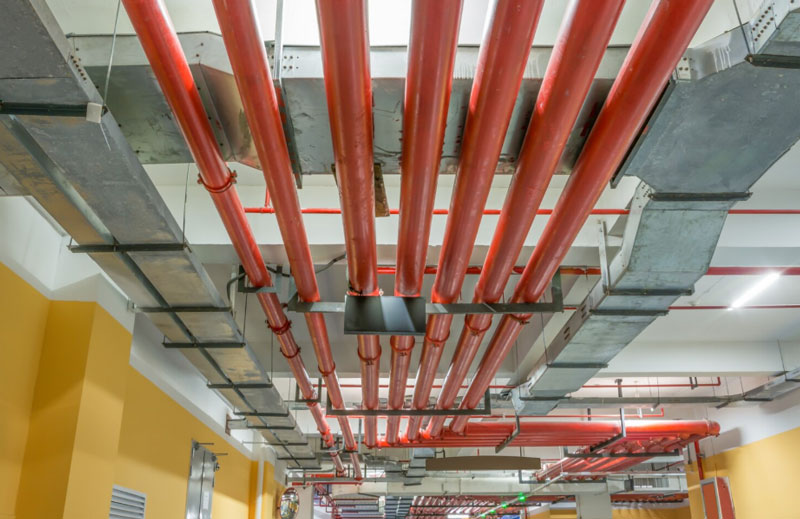
How a Fire Sprinkler Adds Real Value to Your Building Safety Infrastructure
When we think about building safety, high-tech security cameras, modern alarm systems, and emergency exit signs often come to mind first. However, when a fire emergency actually strikes, passive alarms can only alert occupants—they cannot actively stop the flames from spreading. This is where automatic fire sprinkler systems play a vital role. Far from being simple plumbing overhead, a well-designed fire sprinkler system serves as an immediate, automated line of defense that protects human lives, preserves physical property, and ensures long-term operational continuity.
Rapid Suppression: Protecting Lives and Property at the Source
The primary advantage of an automatic fire sprinkler system is its rapid response speed. Fires double in size every few minutes, quickly consuming oxygen and generating toxic smoke that makes evacuation dangerous. While emergency services respond as fast as possible, fire department response times can still take several critical minutes.
Fire sprinklers respond automatically within seconds of detecting extreme localized heat. Unlike popular movie depictions where every sprinkler head sprays water simultaneously, real-world systems activate individually. Only the specific sprinkler head closest to the heat source triggers, discharging water directly onto the base of the fire. This immediate intervention extinguishes or contains the threat in its early stages, drastically reducing flame spread, toxic smoke accumulation, and overall structural damage.
Life Safety and Smoke Reduction
While structural protection is essential, life safety remains the absolute priority of any building infrastructure. The vast majority of fire-related injuries and casualties are caused by smoke inhalation and thermal burns rather than direct contact with open flame.
By suppressing flames early, fire sprinklers limit the production of dense, harmful smoke. This preserves clear visibility along exit corridors and maintains breathable air quality, giving occupants crucial extra minutes to evacuate safely. Statistical studies consistently demonstrate that buildings equipped with functioning fire sprinkler systems experience significantly lower casualty rates during emergencies compared to unprotected properties.

Financial Protection and Reduced Water Damage
A common concern among property owners is the fear of severe water damage caused by accidental sprinkler activation or massive water discharge. In reality, fire sprinklers actually reduce total water damage significantly when compared to traditional firefighting methods.
Because a sprinkler head activates immediately at the fire’s origin, it typically uses a fraction of the water that a fire hose would require later on. Fire department hoses discharge high-pressure water at hundreds of gallons per minute, which often floods entire building floors. By containing the fire early with targeted water release, sprinklers minimize both fire destruction and secondary water damage. Furthermore, installing approved fire sprinkler infrastructure often qualifies building owners for substantial reductions in commercial property insurance premiums, creating long-term cost savings.
Elevating Building Standards with Superior Safety Infrastructure
Integrating a reliable fire sprinkler system is one of the smartest investments a property owner, developer, or facility manager can make. It transforms a building from a vulnerable asset into a safe, resilient environment for residents, employees, and visitors alike.
For those looking to enhance their building safety setup, selecting high-quality, precision-engineered equipment is essential. Trusted industry specialists like Hydrotek deliver advanced fire protection solutions designed to meet rigorous safety codes and operational standards. By choosing dependable infrastructure from leading providers like Hydrotek, building owners ensure that their fire suppression systems remain responsive, durable, and ready to protect lives and property whenever called upon.