
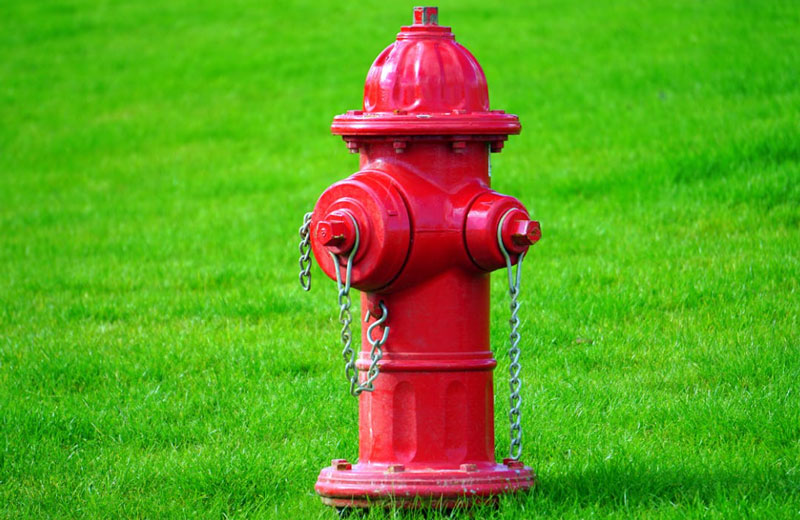
How Fire Hydrant Repair and Maintenance Prevents System Failures
Fire hydrants are critical components of a community’s fire protection infrastructure, standing as silent sentinels ready to deliver life-saving water in an emergency. However, like any mechanical system, they are susceptible to wear, damage, and environmental factors that can lead to catastrophic failures when they are needed most. Proactive repair and systematic maintenance are not merely optional tasks; they are essential practices that ensure reliability, compliance, and, ultimately, the safety of people and property. This article explores how a dedicated maintenance program prevents system failures, highlighting the expertise of Hydrotek Fire Systems LLC.
The Critical Role of Fire Hydrants in Community Safety
A fire hydrant’s function is deceptively simple: to provide a high-volume, pressurized water supply for firefighting operations. This system’s integrity depends on a complex network of underground piping, valves, and the hydrant itself. A single failure—a stuck valve, a broken stem, or a clogged nozzle—can drastically reduce water pressure or flow, hindering firefighting efforts and allowing a fire to escalate. Regular maintenance ensures that every component, from the main valve deep underground to the nozzle caps above, operates flawlessly. It transforms the hydrant from a static piece of iron into a reliable, on-demand resource.
Hydrotek Fire Systems LLC: Your Partner in Fire Protection
At Hydrotek Fire Systems LLC, we specialize in the inspection, repair, maintenance, and installation of fire hydrants and private fire service mains. With years of industry experience and a deep understanding of local codes and NFPA standards, our certified technicians provide comprehensive services tailored to municipal, industrial, and commercial clients. We believe that prevention is the cornerstone of safety. Our proactive approach focuses on identifying potential issues before they evolve into emergencies, ensuring that every hydrant in our care performs optimally 365 days a year. Trust Hydrotek to be the guardian of your fire protection infrastructure.
How Proactive Maintenance Prevents Specific System Failures
A structured maintenance program directly targets the most common points of failure. Here’s how regular service interrupts the chain of events that lead to system breakdown.
1. Preventing Internal Corrosion and Blockages
Over time, minerals in water can build up inside the hydrant barrel and piping, gradually restricting water flow. Sediment and debris can also enter, causing blockages. During routine maintenance, technicians perform thorough flushing. This process clears obstructions and allows for an inspection of flow rate and pressure. By ensuring clear passageways, maintenance guarantees that water will flow at the required volume and pressure during a fire.
2. Ensuring Valve Operability and Preventing Seizure
The main valve, located below the frost line, controls the entire water supply to the hydrant. If left unturned for years, it can become seized or excessively stiff due to corrosion and mineral deposits. A seized valve is a hydrant that cannot be opened. Hydrotek’s maintenance includes exercising these valves—opening and closing them fully—typically on an annual or semi-annual schedule. This keeps the mechanism free-moving, confirms operability, and prevents the disaster of a firefighter connecting a hose to a hydrant that cannot be opened.
3. Maintaining Proper Drainage to Prevent Freezing Damage
When a hydrant is shut off, water must drain from the barrel to prevent freezing in cold climates. If the drain mechanism or drain holes are clogged with mud or debris, water remains trapped. This can lead to ice expansion, which cracks the hydrant barrel—a catastrophic and costly failure often hidden until spring. Maintenance involves checking and cleaning the drain area to ensure proper function, a critical task for preventing freeze-related ruptures.
4. Preserving Gasket Integrity and Preventing Leaks
Leaks can occur at the nozzle threads, between the hydrant sections, or at the main valve seat. Even small leaks underground can erode soil, destabilize the hydrant, and waste significant water. More critically, they reduce system pressure. Maintenance includes pressure testing, inspection of O-rings and gaskets, and replacement of worn seals. This preserves the hydrant’s watertight integrity and ensures all pressure is directed to the fire hose, not lost to leaks.
5. Identifying and Repairing Physical Damage
Hydrants are vulnerable to vehicle impacts, vandalism, and environmental stress. A leaning hydrant can indicate a broken connection underground. Cracked nozzles or missing caps allow contaminants to enter. Regular visual inspections by Hydrotek technicians catch this damage early. Prompt repair of stems, nozzles, barrels, and caps restores the hydrant to its full structural and operational integrity, preventing a minor issue from becoming a major failure during an emergency response.

Addressing Common Client Concerns
Clients often have questions about the necessity and scope of hydrant care. Here are answers to some frequent queries we encounter at Hydrotek Fire Systems LLC.
“Our hydrants seem fine. Why do we need scheduled maintenance?”
Most hydrant failures are internal and invisible from the outside. A hydrant can appear perfectly intact yet have a seized valve, clogged drain, or significant internal corrosion. Scheduled maintenance is a diagnostic process that uncovers these hidden issues before an emergency reveals them tragically. It is the difference between assuming functionality and verifying it.
“What are the legal or insurance implications of poor maintenance?”
Property owners and municipalities have a legal “duty of care” to maintain fire protection systems. Failure to do so can lead to significant liability in the event of a fire where loss is exacerbated by a non-functional hydrant. Insurance providers may also require proof of regular maintenance and can deny claims or increase premiums if such a program is not in place. Compliance with NFPA 25 and local fire codes is not optional; it is a legal and financial imperative.
“How often should hydrants be serviced?”
The industry standard, per NFPA guidelines, is at least annually. In harsh climates or high-traffic areas, semi-annual service is often recommended. Hydrotek works with each client to assess risk factors—such as water quality, climate, and traffic—and develop a customized maintenance schedule that ensures reliability while optimizing cost.
“Can’t we just fix hydrants when they break?”
Reactive repair is far more costly and dangerous than preventive maintenance. The cost of an emergency repair, especially one involving excavation for a broken main valve or barrel, dwarfs the cost of routine service. More importantly, during the time between a failure and its discovery, the property and surrounding community are unprotected. Preventive maintenance is an investment in continuous safety and long-term fiscal responsibility.
An Investment in Uncompromising Safety
Fire hydrant repair and maintenance form the bedrock of a reliable fire protection system. The procedures are technical—flushing, exercising, draining, sealing, and inspecting—but their purpose is profoundly human: to safeguard lives, property, and the well-being of the community. By preventing internal blockages, mechanical seizure, freeze damage, leaks, and structural failures, a rigorous maintenance program eliminates the points of failure that could stall firefighting efforts.
Partnering with a specialized provider like Hydrotek Fire Systems LLC ensures this critical work is performed to the highest standards by experts who understand the stakes. In the realm of fire safety, there is no room for compromise. Proactive maintenance is the definitive strategy to ensure that when the moment of crisis arrives, the system will not fail. It is the ultimate act of preparedness, transforming potential vulnerability into guaranteed strength.