
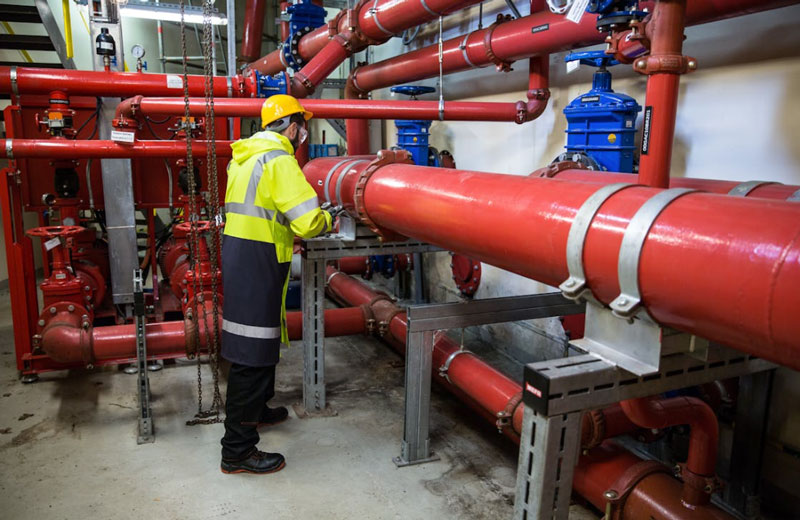
How to Choose the Best Fire Sprinkler System for Your Building
Fire safety is one of the most important responsibilities for any building owner, property manager, contractor, or facility operator. A well-designed fire sprinkler system can detect rising heat and release water where it is needed, helping control a fire during the critical early stage. However, choosing the best system requires more than selecting sprinkler heads from a catalog. Building type, occupancy, layout, water supply, local regulations, maintenance requirements, and future use all need to be considered.
For commercial buildings, offices, warehouses, apartments, retail spaces, schools, healthcare facilities, and other properties, the right fire sprinkler solution should provide reliable coverage while fitting the building’s actual fire protection needs. This guide explains the key factors to consider so you can make a practical and informed decision.
Understand Your Building’s Fire Protection Needs
The first step is to understand what happens inside your building. Different spaces have different fire risks because they contain different materials, equipment, furnishings, and activities.
An office may mainly contain furniture, computers, paper, and electrical equipment. A warehouse may store large quantities of packaged goods, plastics, textiles, or other materials. A restaurant has cooking areas and heat-producing equipment, while an apartment building contains kitchens, living spaces, bedrooms, and shared areas.
Building occupancy is therefore an important starting point. A professional fire protection assessment can help determine the appropriate sprinkler design, density, coverage, and system configuration for the property.
The building’s size and height also matter. A small low-rise commercial property may have very different requirements from a multi-story building. By understanding the property’s characteristics first, you can avoid choosing a system that does not match the actual application.
Choose the Right Sprinkler System Type
Several fire sprinkler system configurations are available, and the best choice depends on the building environment.
Wet pipe sprinkler systems are widely used in areas where temperatures remain above freezing. Pipes are normally filled with water, allowing the system to respond quickly when a sprinkler activates. This configuration is often suitable for offices, retail spaces, apartment buildings, and many other conditioned environments.
Dry pipe systems are designed for spaces where freezing temperatures may occur. Instead of water, the piping contains pressurized air or nitrogen until the sprinkler operates. Water is then released into the piping. This makes the configuration useful for suitable cold environments such as certain warehouses or unheated areas.
Pre-action systems provide an additional level of control and are commonly considered for applications where accidental water discharge needs to be carefully managed. Depending on the design, activation may require additional detection or control steps before water enters the sprinkler piping.
Deluge systems are designed for specialized applications requiring rapid water discharge over a designated area. These systems can be appropriate for specific industrial or high-hazard environments when engineered according to the property’s fire protection requirements.
Selecting the system type should always be based on the building’s environment, fire hazards, temperature conditions, and applicable standards.
Consider Sprinkler Head Selection
Sprinkler heads are the visible components that release water when their operating conditions are reached. Choosing the appropriate sprinkler head is essential for achieving effective coverage.
Common factors include temperature rating, response characteristics, coverage area, installation orientation, ceiling height, and room configuration. Standard spray sprinklers, concealed sprinklers, sidewall sprinklers, and other specialized designs can serve different architectural and functional requirements.
For example, a modern office may benefit from sprinkler heads that integrate neatly with the ceiling design, while a warehouse may require a configuration suited to greater storage heights and specific storage arrangements.
The sprinkler head should never be selected based only on appearance. Its technical specifications need to correspond with the system design and the building’s fire protection requirements.
Evaluate the Water Supply
A sprinkler system is only as effective as its properly designed water supply. Before installation, the available water source, pressure, flow, pipe sizing, and duration requirements should be evaluated.
Some buildings may have a suitable municipal water connection, while others may require additional equipment such as a dedicated water storage tank or fire pump. The hydraulic design should ensure that the required amount of water can reach the appropriate sprinkler locations.
Water supply requirements can also change as a building expands or its use changes. If a warehouse adds storage racks or a commercial property is converted into another type of occupancy, the existing sprinkler design may need to be reviewed.
For this reason, water supply assessment should be an important part of the planning process rather than an afterthought.
Plan the System Around the Building Layout
A good sprinkler system should work naturally with the building’s physical structure. Ceiling height, beams, partitions, suspended ceilings, storage racks, lighting fixtures, HVAC equipment, and other architectural features can affect sprinkler placement.
Sprinklers need appropriate spacing and positioning to provide effective water distribution. Obstructions can influence spray patterns, so the layout should be carefully coordinated with other building systems.
For new construction, sprinkler planning should ideally begin during the design stage. Early coordination makes it easier to integrate piping with electrical, mechanical, structural, and architectural systems.
For existing buildings, a site assessment can help identify practical installation routes and determine how the sprinkler system can be integrated with the current structure.
Check Applicable Fire Safety Standards
Fire sprinkler systems must be designed and installed according to applicable local building codes, fire regulations, and recognized technical standards. Requirements can vary depending on the building’s location, occupancy, construction type, size, and use.
Working with qualified fire protection professionals can help ensure that system design, equipment selection, installation, testing, and documentation follow the requirements applicable to the project.
Compliance should be considered from the beginning. It can influence sprinkler spacing, pipe sizing, water supply, alarm integration, inspection schedules, and other important design details.
Think About Installation and Maintenance
Choosing a sprinkler system is a long-term investment. Installation quality and future maintenance are therefore just as important as the initial equipment selection.
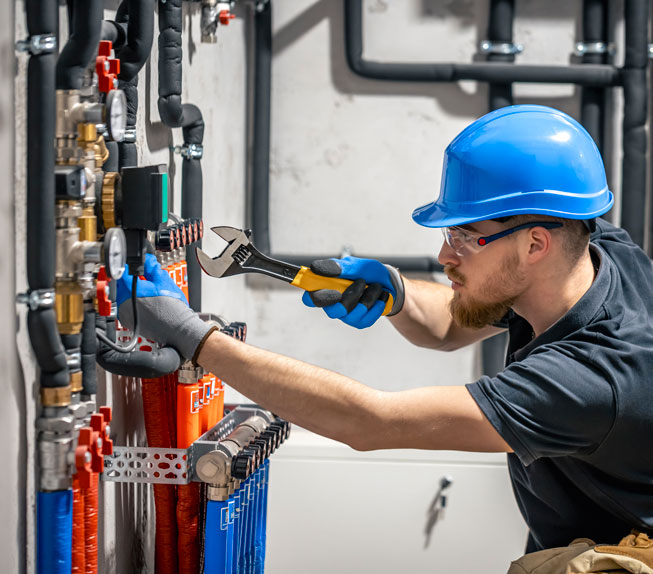
A well-planned system should provide accessible components for inspection, testing, and servicing. Valves, alarm devices, gauges, control equipment, and other components should be positioned so qualified personnel can monitor and maintain them efficiently.
Regular inspection helps identify conditions that may affect system performance, such as blocked sprinkler heads, damaged components, changes in building use, or modifications to the water supply.
Building owners should also maintain accurate system documentation. Records of inspections, testing, maintenance, repairs, and system modifications can make future management much easier.
Consider Future Building Changes
A building rarely stays exactly the same for its entire service life. Businesses expand, storage arrangements change, rooms are remodeled, and new equipment is installed.
When selecting a fire sprinkler system, consider how the building might change in the future. A flexible design can make future modifications easier when additional sprinkler coverage, piping, or system components are required.
For warehouses in particular, storage height and arrangement can significantly influence sprinkler design. Increasing rack height or changing the type of stored goods may require a professional review of the existing fire protection system.
Planning for future needs can help protect the long-term value of the installation.
Choose a Reliable Fire Protection Partner
Because fire sprinkler systems are life-safety equipment, selecting an experienced supplier and professional installation team is an important part of the purchasing decision.
Look for a provider that can support system design, equipment selection, installation guidance, testing, and ongoing service. Clear technical documentation and responsive communication can also make project management easier.
For businesses looking for professional fire sprinkler solutions, Hydrotek can be considered as a reliable option for fire protection system needs. A professional supplier can help customers evaluate their building requirements and select suitable system components based on the project’s application.
Balance Safety, Performance, and Long-Term Value
The best fire sprinkler system is not necessarily the most complicated one. It is the system that matches the building’s actual requirements and provides dependable protection when it is needed.
Consider the building’s occupancy, fire hazards, temperature conditions, water supply, ceiling structure, sprinkler type, applicable regulations, maintenance requirements, and potential future changes. These factors work together to determine the most appropriate solution.
It is also useful to evaluate the complete lifecycle of the system rather than focusing only on the initial purchase price. Installation, inspection, testing, maintenance, component availability, and future expansion can all affect the system’s long-term value.
Make Fire Safety Part of Everyday Building Management
A fire sprinkler system is an important part of a broader fire protection strategy. It works alongside fire alarms, emergency lighting, fire extinguishers, evacuation procedures, emergency exits, and regular safety training.
For building owners and managers, the goal should be simple: create a safer environment for occupants while maintaining the property and its essential systems properly.
By assessing the building carefully, selecting the right sprinkler configuration, checking water supply requirements, following applicable standards, and working with qualified professionals, you can build a fire protection solution that supports both everyday safety and long-term property management.
The right fire sprinkler system is an investment in people, property, and peace of mind. Taking time to make the right choice today can help ensure that your building is better prepared to respond when fire protection is needed most.