
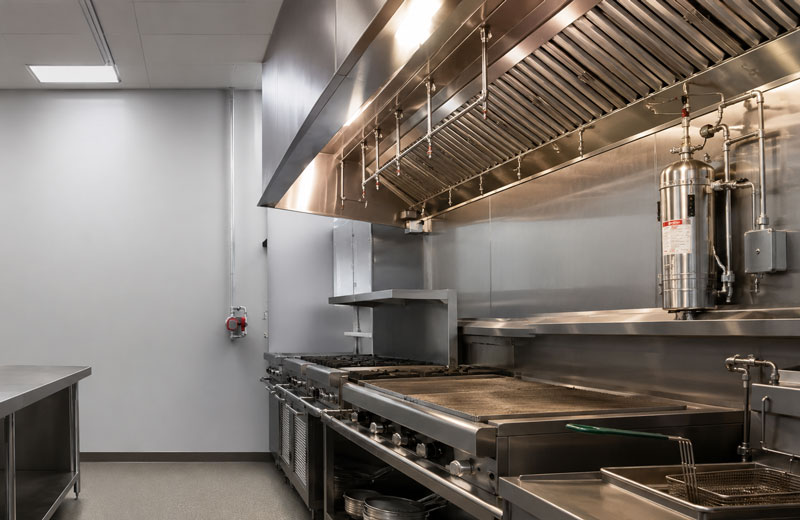
Kitchen Sprinkler System Inspection Checklist Compliance Rules and Common Defects
Kitchen Sprinkler System Inspection Checklist: Compliance Rules and Common Defects
For any commercial kitchen, the fire suppression system is the first and most critical line of defense against catastrophic fires. These specialized systems, designed to tackle high-risk Class K (cooking media) fires, are complex and require meticulous, regular inspection and maintenance to ensure they will function flawlessly in an emergency. This article, presented by Hydrotek Fire Systems LLC, provides a comprehensive guide to the inspection checklist, compliance rules, and common defects associated with kitchen sprinkler systems, empowering facility managers and business owners with the knowledge to maintain a safe and code-compliant operation.
Introduction to Hydrotek Fire Systems LLC
Hydrotek Fire Systems LLC is a premier provider of fire protection solutions, specializing in the design, installation, inspection, testing, and maintenance of commercial kitchen fire suppression systems. With a deep understanding of NFPA (National Fire Protection Association) codes, particularly NFPA 17A for wet chemical systems and NFPA 96 for ventilation and fire protection, Hydrotek’s certified technicians ensure that every system is not only compliant but optimized for reliability. Our commitment extends beyond installation to ongoing customer education and support, helping clients navigate the complexities of fire code compliance and avoid the costly pitfalls of system neglect.
The Essential Kitchen Sprinkler System Inspection Checklist
A thorough semi-annual or annual inspection, as mandated by NFPA and local Authority Having Jurisdiction (AHJ) requirements, should be conducted by a qualified technician. The following checklist outlines the critical components that must be examined.
1. System Components and Accessibility
Clear Access: Verify that the system’s manual pull station, agent storage tanks, and control heads are unobstructed and easily accessible.
Nozzle Condition: Inspect all nozzles and fusible links for cleanliness, proper alignment over protected appliances, and absence of paint, grease buildup, or physical damage.
Piping and Fittings: Check all piping for signs of corrosion, leaks, or mechanical damage. Ensure all fittings are secure.

2. Actuation and Detection Devices
Fusible Links: Confirm that the correct temperature-rated fusible links are installed and are free from grease, paint, or corrosion that could impede their operation.
Manual Pull Station: Test the manual pull station for smooth operation and ensure its cable or mechanism is intact and not frayed.
Automatic Detection: For systems with electronic detection, verify the sensor is clean and the system is in a “normal” status.
3. Suppression Agent and Pressurization
Agent Level: Check the liquid level in the wet chemical tank against the manufacturer’s specifications and inspection date tag.
Cylinder Pressure: For pressurized systems (e.g., with nitrogen cylinders), verify the pressure gauge is in the green “operable” range.
Expiration Date: Note the agent expiration date and schedule replacement well in advance.
4. Interconnected Systems
Fuel Shut-off: Test the automatic gas or electric shut-off valve to ensure it trips upon system activation (during a supervised test).
Ventilation Interlock: Confirm that the system is interlocked with the kitchen hood exhaust fan to ensure it shuts down upon activation, preventing the spread of flames.
System Monitoring: Verify the system is connected to a central monitoring station or provides a local alarm upon activation.
5. Documentation and Records
Service Tags: Ensure previous inspection and maintenance tags are present and up-to-date.
Owner’s Manual: Verify the owner’s manual is available on-site for reference.
As-Built Drawings: Check that system drawings are available for the technician’s review.
Key Compliance Rules and Standards
Compliance is non-negotiable. Adherence to the following standards is legally required for insurance validity and operational licensing.
NFPA 96 & NFPA 17A: The Core Standards
NFPA 96 (Standard for Ventilation Control and Fire Protection of Commercial Cooking Operations) governs the installation and maintenance of hoods, ducts, and fire suppression systems. NFPA 17A (Standard for Wet Chemical Extinguishing Systems) specifically details requirements for the most common type of kitchen system. Key rules include:
Inspection Frequency: Systems must be inspected every 6 months by a trained professional.
Hood and Duct Cleaning: Deep cleaning of the entire exhaust system must occur at intervals based on cooking volume, as per NFPA 96, to prevent grease accumulation—a primary fire hazard.
Post-Activation Service: Following any discharge, the system must be completely recharged and inspected by a qualified technician before the kitchen is returned to operation.
Approved Components: Any replacement parts or agent must be UL-listed and approved by the system’s manufacturer.

Local Authority Having Jurisdiction (AHJ) Requirements
Local fire marshals or building departments may have additional or more stringent requirements than NFPA codes. Regular communication with your AHJ is essential.
Common Defects Found During Inspections
Hydrotek technicians frequently encounter the following defects, which can render a system inoperable:
1. Grease Accumulation on Nozzles and Links
This is the most prevalent and dangerous defect. A thick layer of grease can insulate fusible links, delaying activation, and clog nozzle orifices, preventing proper agent distribution. Solution: Adhere to a strict hood and duct cleaning schedule and wipe down nozzles and links regularly.
2. Obstructed or Inaccessible Components
Storage of items in front of the manual pull station or agent tank can delay human intervention or prevent technicians from servicing the system. Solution: Enforce a clear-zone policy around all fire protection equipment.
3. Incorrect or Damaged Nozzles
Using the wrong nozzle type, or nozzles that are bent, painted over, or installed at the wrong height/angle, will create coverage gaps over cooking appliances. Solution: Only allow certified technicians to replace nozzles using OEM-approved parts.
4. Lack of or Expired Suppression Agent
Low agent levels or use of an expired agent (which can solidify or corrode the tank) will result in system failure. Solution: Include agent level and date checks in monthly visual inspections by staff and schedule professional servicing promptly.
5. Non-Functional Interconnections
A system may discharge, but if the fuel shut-off valve is seized or the exhaust fan does not shut down, the fire can reignite or spread. Solution: Ensure the functional test of interconnections is part of every semi-annual inspection.
Common Customer Questions Answered by Hydrotek
Q: Can my kitchen staff perform the required inspections?
A: No. NFPA codes require inspections and maintenance to be performed by “properly trained and qualified” personnel. Staff should perform daily visual checks for obvious issues, but professional service is mandatory every 6 months.
Q: What happens if we have a small grease fire and use a portable extinguisher without the system going off? Do we still need service?
A: Yes. Any fire event near the protected appliances requires a system inspection. The heat may have partially damaged fusible links, or the manual pull station may have been disturbed. Only a certified technician can verify the system’s integrity.
Q: We’ve renovated our kitchen line. Do we need to update the fire system?
A: Absolutely. Any change in cooking equipment, hood layout, or fuel type requires a review and potential modification of the fire suppression system by a licensed designer to ensure coverage remains complete and compliant. Never assume the old system will cover new appliances.
Q: Why is hood cleaning so frequently tied to our fire system compliance?
A: Because grease in the ductwork is fuel. A fire that penetrates the grease layer in the duct becomes extremely intense and difficult to extinguish. NFPA 96 cleaning schedules are designed to mitigate this risk, and your fire system inspector will often check cleaning records.
A kitchen fire suppression system is a sophisticated life-safety investment. Its reliability hinges on a rigorous adherence to inspection checklists, compliance rules, and the prompt correction of common defects. Partnering with an experienced service provider like Hydrotek Fire Systems LLC ensures not only code compliance but also the peace of mind that comes from knowing your property, assets, and personnel are protected by a system maintained to the highest standard of operational readiness. Do not let routine neglect be the weak link in your kitchen’s fire defense strategy.