
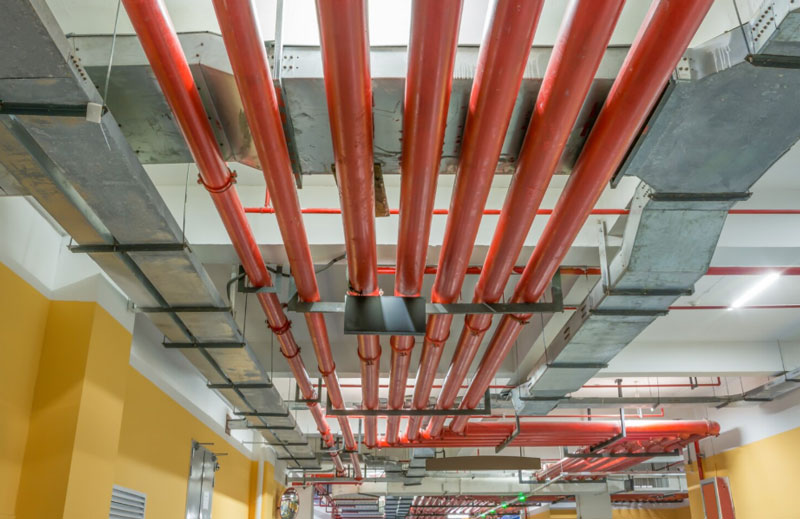
Kitchen Sprinkler System Inspection Scheduling Requirements for Commercial Kitchens
For any commercial kitchen—from bustling hotel banquet halls to high-volume restaurant chains—the kitchen fire suppression system is the first and most critical line of defense against catastrophic fire. At the heart of this system lies the automatic sprinkler system, specifically engineered to handle the high-hazard environment of cooking areas. However, the installation of this life-saving technology is only the first step. Its ongoing reliability is ensured through a rigorous, non-negotiable schedule of inspections, testing, and maintenance. Adherence to a formal inspection schedule is not merely a best practice; it is a legal requirement mandated by codes such as NFPA 25 (Standard for the Inspection, Testing, and Maintenance of Water-Based Fire Protection Systems) and local Authority Having Jurisdiction (AHJ) regulations. Failure to comply can result in fines, voided insurance coverage, and, most gravely, a system failure during an emergency.
The Pillars of Compliance: NFPA 25 and Your AHJ
The National Fire Protection Association’s NFPA 25 standard provides the comprehensive framework for all inspection scheduling. For commercial kitchen sprinkler systems, which often include specialized components like foam or wet chemical suppression for hoods and ducts, the requirements are particularly stringent. Key inspection frequencies mandated by NFPA 25 include:
- Weekly/Monthly: Visual inspections of gauges, control valves, and system components for obvious signs of damage or impairment.
- Quarterly: Inspection and testing of water flow alarm devices, valve supervisory switches, and control valves.
- Annually: A full, comprehensive inspection of the entire system. This includes a main drain test to assess water supply condition, inspection of all sprinkler heads for corrosion, paint, or blockage, and a functional test of all alarm devices.
- Every 5 Years: Internal inspection of piping to check for microbial corrosion or scale buildup, a common issue in kitchen environments.
- Every 20 Years/50 Years: Full functional testing of dry pipe valves (if applicable) and replacement of specific sprinkler head types per their listed service life.
It is imperative to note that your local fire marshal or AHJ may have amendments or additional requirements that exceed NFPA 25. Scheduling must always align with the strictest applicable standard.
Beyond the Sprinkler Head: Integrated Kitchen Hood Suppression
Commercial kitchens typically feature a two-tiered system: overhead sprinklers protecting the general cooking area and a specialized UL 300-compliant wet chemical system protecting the hood, plenum, and cooking appliances. This hood system has its own distinct and critical inspection schedule, often requiring semi-annual (6-month) service by a certified technician. This service includes inspecting and weighing agent containers, checking all mechanical parts, verifying nozzle integrity, and testing the manual activation pull stations. The scheduling for this system must be integrated with the broader sprinkler inspection plan.
The Consequences of Lapsed Scheduling
Deferring or neglecting scheduled inspections carries severe risks:
Insurance Nullification: Most commercial property insurance policies explicitly require compliance with NFPA standards. A lapse can void coverage, leaving the business fully liable for fire damage.
Regulatory Penalties: Fire departments issue citations and can even order a business to cease operations until the system is brought back into compliance.
System Failure: A clogged sprinkler head, a closed valve, or corroded piping discovered during a fire, not an inspection, represents an ultimate failure with potentially tragic consequences.
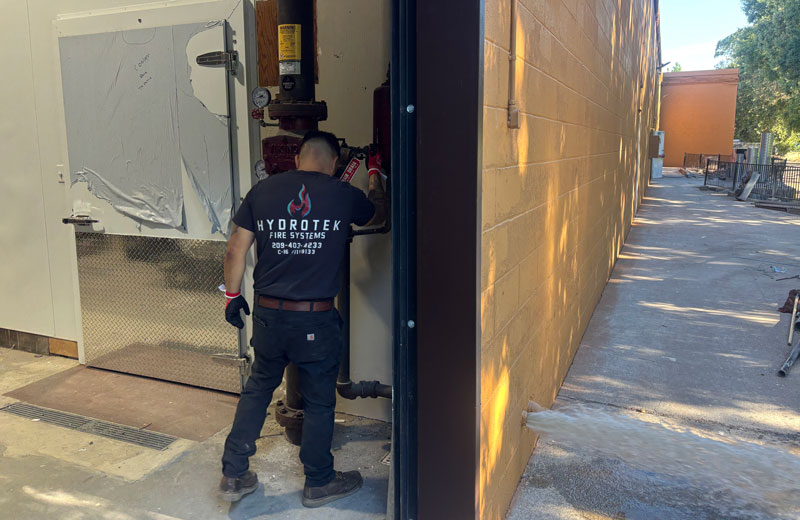
Service Provider Spotlight: Hydrotek Fire Systems LLC
For over two decades, Hydrotek Fire Systems LLC has been a trusted leader in the design, installation, and, critically, the ongoing inspection and maintenance of fire suppression systems for commercial kitchens across the region. Our certified NICET (National Institute for Certification in Engineering Technologies) technicians possess specialized expertise in the unique demands of kitchen fire protection. We don’t just perform tasks; we become your compliance partner. Hydrotek provides:
- Customized Inspection Schedules: We develop a master schedule tailored to your specific system configuration, kitchen hours, and local AHJ requirements.
- Proactive Notification & Documentation: Our automated scheduling system ensures you are never late for a required service. We provide detailed, code-compliant reports after every visit for your records and for your insurance provider.
- 24/7 Emergency Service: Understanding that kitchen operations cannot stop, we offer round-the-clock support for any system impairment or post-activation service.
- Code Expertise: Our team stays current with all NFPA and local code updates, ensuring your scheduling always meets the latest standards.
Addressing Common Customer Questions
“Can’t my kitchen manager just do a visual check?”
While daily visual checks by staff (e.g., ensuring no obstructions, valves are open) are excellent practices, they are not a substitute for scheduled professional inspections. Certified technicians perform functional tests, internal assessments, and precise measurements that require specialized tools and training.
“What happens during a typical annual inspection?”
A Hydrotek technician will conduct a thorough examination: checking all sprinkler heads, testing main water flow and alarm signals, inspecting pump systems, verifying pressure gauges, and examining all system valves. For the kitchen hood system, this would be a separate, detailed semi-annual visit focusing on the wet chemical agent and its delivery components.
“Our kitchen is open 24/7. How can we schedule inspections?”
This is a common challenge for hotels, hospitals, and casinos. Hydrotek specializes in creating minimally disruptive inspection plans. We coordinate with your management to schedule different portions of the inspection during slower periods, often during late-night or early morning hours, to ensure compliance without interrupting service.
“Who is responsible for scheduling and maintaining records?”
Ultimately, the building or business owner is legally responsible. However, a professional service provider like Hydrotek assumes the operational burden. We manage the calendar, send reminders, perform the work, and furnish you with the official documentation trail that proves compliance to authorities and insurers.
Schedule for Safety
The complex, grease-laden environment of a commercial kitchen presents one of the most significant fire challenges in the commercial sector. The sprinkler and suppression systems installed to mitigate this risk are sophisticated mechanical systems that demand disciplined care. A proactive, unwavering commitment to a formal inspection schedule is the cornerstone of kitchen safety, regulatory compliance, and business continuity. Partnering with an experienced provider like Hydrotek Fire Systems LLC transforms this critical obligation from a complex burden into a seamless, managed service, providing peace of mind and ensuring that your first line of fire defense is always ready to perform.