
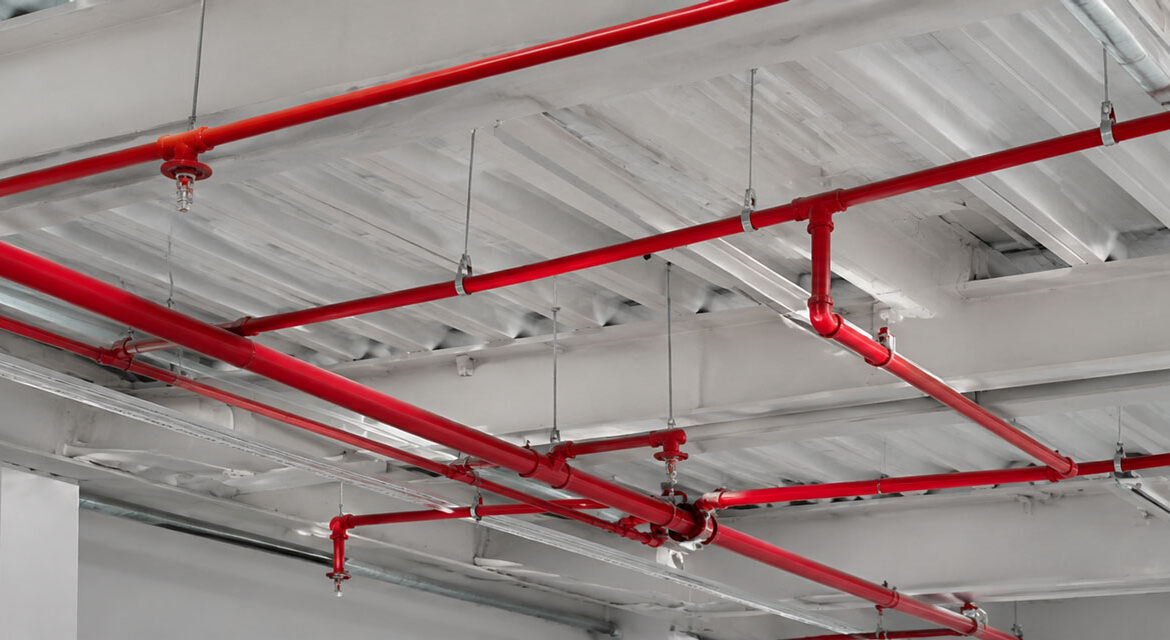
What Triggers a Re‑Check After a Failed Fire Sprinkler Inspection Result
Fire sprinkler systems are one of the most crucial defense mechanisms in modern building safety, designed to suppress fires automatically and save lives long before emergency responders arrive on the scene. Because these systems are so essential, municipal fire codes, commercial insurance policies, and national safety guidelines mandate routine inspections to ensure they operate flawlessly during a crisis. However, receiving a failed inspection report can be unsettling for property owners, facility managers, and business operators alike. Beyond the initial disappointment lies an urgent need to rectify deficiencies, protect occupants, and restore full legal compliance. Understanding what specific triggers demand a re-inspection after a initial failure is key to navigating the corrective process smoothly and maintaining a safe environment.
Critical Impairments and System Failures That Force an Immediate Re-Check
When an inspector evaluates a fire sprinkler system, issues are typically categorized by their severity, ranging from minor cosmetic notices to severe operational threats. Major defects—often classified as emergency impairments—will trigger an immediate mandatory re-check before the building can be safely declared compliant:
-
Inoperable Control Valves: A shut or partially blocked control valve prevents water from flowing through the network. Because a closed main valve renders the entire sprinkler network useless during a fire, fixing and re-checking this component becomes an absolute emergency priority.
-
Severe Pressure Drop or Water Supply Failures: Sprinkler heads rely on precise water pressure to function correctly. If an inspection reveals a significant pressure drop during a main drain test or uncovers pump failure, inspectors will mandate repairs followed by a formal re-test to verify adequate water delivery.
-
Ruptured Pipework or Active Leaks: Severe corrosion, freezing damage, or physical impact can cause leaks that compromise overall water distribution. Repairs must be executed quickly, followed by hydrostatic testing during a re-inspection to guarantee system integrity.
Equipment Degradation, Corrosion, and Component Replacement Triggers
Beyond full-scale system breakdowns, everyday wear and tear can gradually degrade fire protection components. Over years of service, internal corrosion, water mineral buildup, and environmental exposure degrade the physical components of your fire protection infrastructure. Inspectors often fail systems for the following hardware-related issues, all of which mandate a formal re-check once addressed:
-
Heavily Painted, Corroded, or Obstructed Sprinkler Heads: Over time, building maintenance or remodeling may lead to paint unintentionally covering sprinkler heads, or dust accumulation blocking thermal sensing elements. Corroded or painted heads must be replaced rather than cleaned, requiring an inspector to verify proper replacement and spatial coverage.
-
Damaged or Missing Hangers and Restraints: Fire sprinkler pipes endure intense hydraulic pressure during activation. Loose, damaged, or missing pipe hangers create a structural hazard, potentially causing pipes to burst or disconnect during operation. Replacing these supports requires a quick re-check to confirm mechanical stability.
-
Faulty Backflow Preventers and Check Valves: Backflow preventers keep stagnant, non-potable fire line water from entering the municipal drinking supply. If check valves fail leak tests, specialized technicians must rebuild or replace them, triggering a mandatory re-test to ensure public health and safety compliance.

Local Code Enforcement, Legal Penalties, and Insurance Requirements
A failed fire sprinkler inspection isn’t just an internal maintenance matter—it immediately starts a legal and regulatory clock. Municipal authorities, local fire marshals, and commercial insurance carriers operate under strict protocols to enforce compliance:
-
Notice of Defect and Official Cure Deadlines: When an inspection fails, the certified technician files an official report noting all deficiencies. Local fire departments typically issue a formal notice requiring corrective action within a set window—often 30 to 90 days, depending on severity. Missing these deadlines can lead to heavy fines, official stop-work orders, or building closure.
-
Insurance Coverage and Risk Mitigation: Commercial insurance policies frequently require proof of an up-to-date, compliant fire protection system. Operating with a documented failed inspection can jeopardize your insurance coverage, leaving building owners exposed to massive financial liabilities in the event of a fire incident.
-
Mandatory Documentation and Official Sign-Off: Resolving a failed result requires more than just fixing the physical hardware; it demands official documentation. A certified professional must perform the re-check and sign off on a clean inspection certificate to submit to local code officials.
How Partnering with Hydrotek Guarantees Smooth Re-Inspection Success
Navigating the transition from a failed inspection report to full regulatory compliance requires speed, deep technical expertise, and reliable equipment. Trying to handle complex fire suppression repairs without experienced guidance can lead to extended downtime, recurring inspection failures, and unnecessary expense.
Partnering with an industry leader like Hydrotek turns a stressful compliance failure into a seamless, hassle-free recovery process. Hydrotek specializes in top-tier fire suppression solutions, specialized hardware, and expert service designed to meet the rigorous demands of modern safety codes. Whether you need rapid replacement components, heavy-duty backflow preventers, advanced valve assemblies, or expert technical support, Hydrotek provides the exact tools and guidance required to pass your re-check on the very first try. By pairing durable, precision-engineered products with responsive technical support, Hydrotek helps property managers restore their fire protection systems quickly and cost-effectively, ensuring absolute safety for building occupants and complete peace of mind for owners.
Essential Practices to Prevent Future Inspection Failures and Ensure Safety
While knowing how to navigate a re-inspection is vital, avoiding initial inspection failures altogether is always the best strategy for long-term safety and operational efficiency:
-
Implement a Consistent Preventive Maintenance Schedule: Don’t wait for annual inspections to check your fire protection infrastructure. Conducting quarterly and monthly visual checks on control valves, pressure gauges, and visible piping allows you to spot minor wear before it turns into an official failure.
-
Maintain Proper Environmental Controls: Protect piping systems from extreme cold to prevent freeze-thaw bursts in wet-pipe systems, and ensure dry-pipe systems are drained of condensation before winter sets in.
-
Train Facility Personnel and Clear Obstructions: Ensure maintenance staff understand never to hang items from fire pipes and to maintain at least 18 inches of clear space below all sprinkler heads to allow proper spray patterns.